As the world becomes increasingly complex and interconnected, the need for advanced defense systems that can keep pace with emerging threats has never been more pressing. This significant investment marks a major milestone in the development of these cutting-edge aircraft, which promise to revolutionize the way it’s worth noting about military defense.
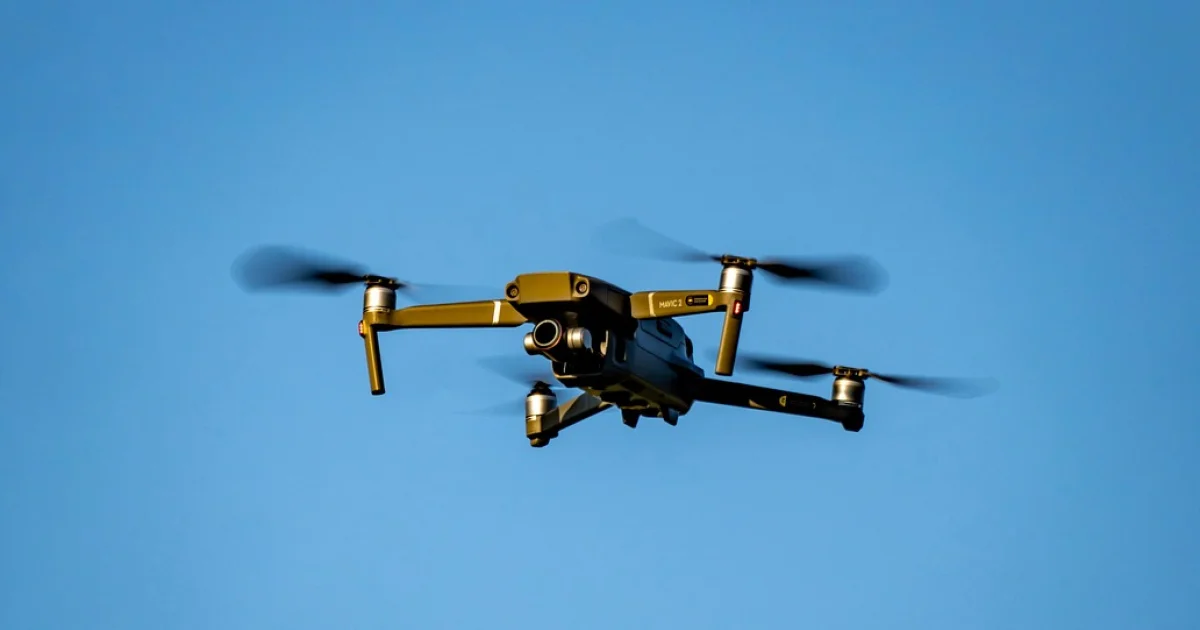
The Future of Defense: Unmanned Hypersonic Fighters
Unmanned hypersonic fighters are designed to operate at speeds of over Mach 5, or five times the speed of sound, making them nearly impossible to intercept. These aircraft use advanced propulsion systems, such as scramjets (supersonic combustion ramjets), to achieve such incredible velocities. The result is a game-changing capability that can quickly respond to emerging threats, providing a significant advantage on the battlefield.
The Role of AI in Hypersonic Fighters
One of the key factors driving the development of unmanned hypersonic fighters is the integration of artificial intelligence (AI) and machine learning (ML) technologies. These systems enable the aircraft to make decisions in real-time, adapting to changing circumstances and optimizing their performance. For instance, AI can be used to predict the trajectory of a target, allowing the aircraft to adjust its flight path and increase its chances of success.
Imagine a military strategist trying to incorporate these new fighters into their tactical plans. They would need to consider the potential benefits of increased speed and agility, as well as the challenges of integrating AI systems into their existing command structures. This requires a deep understanding of the technology and its potential applications, as well as the ability to adapt to new and evolving threats.
Advanced Defense Systems: A New Era of Military Capabilities
The development of unmanned hypersonic fighters is part of a broader trend towards advanced defense systems. These systems leverage cutting-edge technologies, such as AI, ML, and hypersonic propulsion, to create new and powerful capabilities. For instance, space-based military capabilities, such as satellite-based surveillance and communication systems, are becoming increasingly important for modern militaries.
Consider a government official trying to balance the need for advanced defense capabilities with the potential risks and costs. They would need to weigh the benefits of investing in new technologies against the potential drawbacks, such as increased spending and the potential for unintended consequences. This requires a nuanced understanding of the complex issues involved and the ability to make informed decisions.
Challenges and Risks: Building and Deploying Unmanned Hypersonic Fighters
While the potential benefits of unmanned hypersonic fighters are significant, there are also several challenges and risks associated with building and deploying these aircraft. One of the main concerns is the potential for accidents or unintended consequences, particularly given the high speeds and complex systems involved.
For instance, what are the potential risks and challenges associated with building and deploying unmanned hypersonic fighters? How might the development of these fighters impact the future of manned fighter jets? Why is it taking so long for these technologies to be developed and deployed?
Overcoming Technical Challenges: The Path to Successful Deployment
Despite the challenges and risks involved, there are several steps that can be taken to overcome technical challenges and ensure successful deployment. One key approach is to focus on developing and testing the aircraft’s AI and ML systems, as well as its propulsion and control systems.
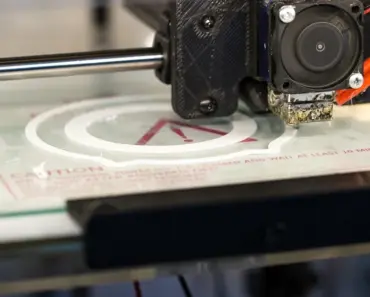
Another important consideration is the need for advanced materials and manufacturing techniques. For instance, the use of advanced composites and 3D printing can help reduce the weight and increase the durability of the aircraft. This can also enable the development of more complex systems and designs.
Implications for the Aerospace Industry: A New Era of Innovation
The development of unmanned hypersonic fighters has significant implications for the aerospace industry, particularly in terms of innovation and technological advancement. For instance, the use of AI and ML technologies is likely to drive significant changes in the way aircraft are designed and manufactured.
Imagine a company working in the aerospace industry, trying to capitalize on the opportunities presented by this new technology. They would need to invest in research and development, as well as training and education for their employees. This requires a willingness to adapt and innovate, as well as a deep understanding of the technology and its potential applications.
The Future of Manned Fighter Jets: A Changing Landscape
The development of unmanned hypersonic fighters is likely to have a significant impact on the future of manned fighter jets. As these new aircraft become increasingly capable and widespread, the need for manned fighters may decrease, leading to a shift in the way military forces are structured and equipped.
For instance, how might the development of these fighters impact the future of manned fighter jets? What are the potential benefits and drawbacks of this shift, and how might it affect the way military forces are organized and trained?
Conclusion: A New Era of Defense Capabilities
The development of unmanned hypersonic fighters marks a significant milestone in the evolution of military defense capabilities. These aircraft promise to revolutionize the way it’s worth noting about defense, providing a game-changing capability that can quickly respond to emerging threats. However, there are also several challenges and risks associated with building and deploying these aircraft, which must be carefully addressed in order to ensure successful deployment.
As we look to the future, it is clear that the development of unmanned hypersonic fighters will have a significant impact on the aerospace industry and the way military forces are structured and equipped. By understanding the potential benefits and drawbacks of this technology, we can begin to build a more informed and nuanced understanding of its implications and potential applications.
Practical Solutions: Overcoming Technical Challenges
One key approach to overcoming technical challenges is to focus on developing and testing the aircraft’s AI and ML systems, as well as its propulsion and control systems. This requires a deep understanding of the technology and its potential applications, as well as the ability to adapt and innovate in response to changing circumstances.
Step-by-Step Guide: Implementing Advanced Defense Systems
Implementing advanced defense systems, such as unmanned hypersonic fighters, requires a step-by-step approach. Here are some practical steps that can be taken to overcome technical challenges and ensure successful deployment:
-
Develop and test the aircraft’s AI and ML systems, as well as its propulsion and control systems.
You may also enjoy reading: Japanet Quadruples $200M Fund After Smart Bets on Anthropic and xAI Pay Off.
-
Invest in advanced materials and manufacturing techniques, such as 3D printing and composites.
-
Develop and deploy advanced command and control systems, enabling real-time decision-making and optimization.
-
Integrate unmanned hypersonic fighters into existing military command structures, ensuring seamless communication and coordination.
-
Provide training and education for military personnel, enabling them to effectively operate and maintain these new systems.
Real-World Examples: Unmanned Hypersonic Fighters in Action
Several countries are already working on developing unmanned hypersonic fighters, with several real-world examples demonstrating the potential of this technology. For instance:
China’s Hypersonic Glider: A Game-Changer in Military Capabilities
China’s hypersonic glider, the DF-17, is a significant example of the potential of unmanned hypersonic fighters. This aircraft is designed to operate at speeds of over Mach 10, making it nearly impossible to intercept. The DF-17 has several key features, including:
-
Advanced propulsion systems, enabling speeds of over Mach 10.
-
AI and ML systems, enabling real-time decision-making and optimization.
-
Advanced command and control systems, ensuring seamless communication and coordination.
US Hypersonic Missile: A New Era of Defense Capabilities
The US is also working on developing a hypersonic missile, which promises to revolutionize the way military forces are structured and equipped. This missile is designed to operate at speeds of over Mach 5, making it nearly impossible to intercept. The US hypersonic missile has several key features, including:
-
Advanced propulsion systems, enabling speeds of over Mach 5.
-
AI and ML systems, enabling real-time decision-making and optimization.
-
Advanced command and control systems, ensuring seamless communication and coordination.