The automotive landscape shifted significantly this past weekend when a single vehicle announcement sent shockwaves through the global EV market. This isn’t just a minor success for the manufacturer; it represents a fundamental change in how consumers view the intersection of luxury, utility, and electrification.
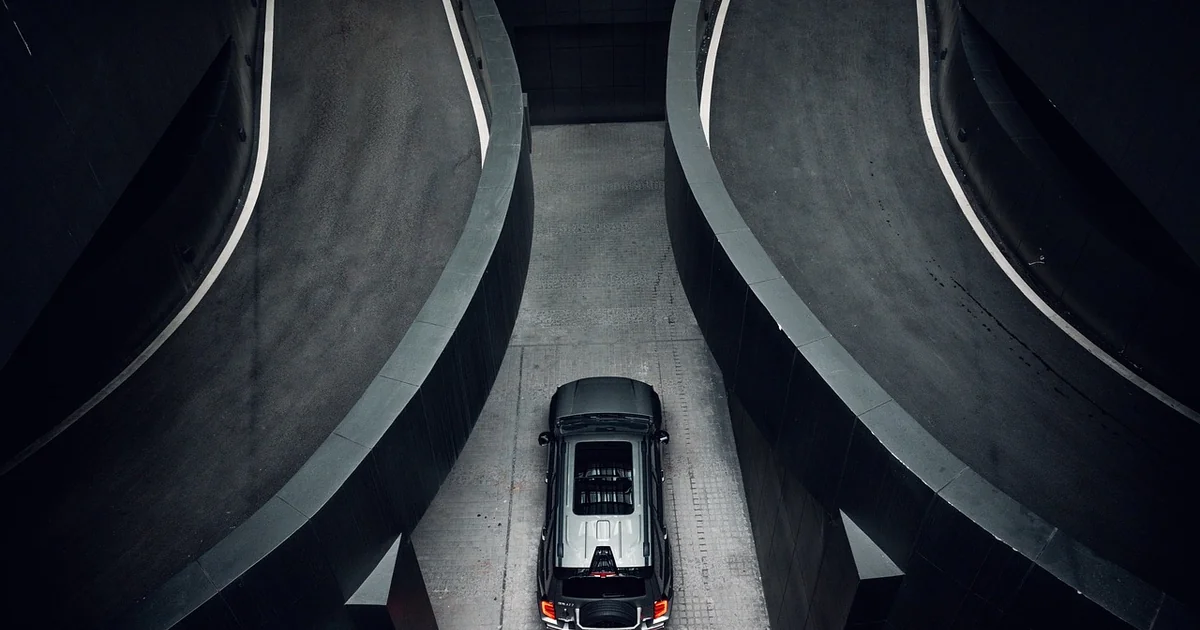
Breaking Down the Massive Success of the byd datang suv
When we look at the numbers, the sheer velocity of these orders tells a story of pent-up demand. For many families, the transition from internal combustion engines to electric power has been hindered by two main obstacles: range anxiety and the perceived lack of space in premium electric models. The flagship offering from BYD appears to have addressed these psychological and practical barriers head-on with a suite of technologies that seem almost futuristic.
The vehicle stands at just over 5.3 meters in length, placing it in a class of its own regarding physical presence. This scale allows for a sophisticated interior layout that prioritizes passenger comfort without sacrificing the ability to transport a full household. By offering a price point that starts around 250,000 yuan (approximately $36,500), the manufacturer has managed to bridge the gap between mass-market utility and high-end flagship luxury.
The Impact of the 2+2+3 Seating Configuration
One of the most discussed aspects of the interior is the specific seating arrangement. Unlike traditional seven-seater vehicles that often utilize a cramped bench in the middle row, this model uses a 2+2+3 setup. This means the second row features two individual captain’s chairs, providing a much higher level of ergonomics and personal space. For parents transporting teenagers or elderly relatives, this configuration offers a level of dignity and comfort that is often missing in standard family haulers.
Revolutionary Flash Charging Capabilities
Perhaps the most disruptive feature mentioned during the launch is the Flash Charging technology. We have all experienced the frustration of sitting at a charging station for forty minutes or more while waiting for a battery to top up. This new system aims to reduce that downtime to as little as five minutes. While such speeds require specific high-output infrastructure, the mere existence of this capability changes the mathematical equation of long-distance EV travel.
Understanding the Blade Battery 2.0 Integration
At the heart of this vehicle lies the Blade Battery 2.0. This isn’t just a standard lithium-ion pack; it is a specialized cell structure designed for enhanced safety and energy density. The Blade Battery architecture is famous for its ability to pass rigorous puncture tests without catching fire, a critical factor for families who prioritize safety above all else. This technology provides the foundation for the impressive 950 km CLTC driving range.
The Role of Lidar in the God’s Eye ADAS
Safety in the modern era is increasingly reliant on how well a car “sees” its surroundings. The inclusion of a roof-mounted Lidar sensor is a major technological leap. This sensor allows the vehicle to create a high-definition 3D map of its environment in real-time. This data feeds into the God’s Eye Advanced Driver Assistance System (ADAS), enabling sophisticated functions like high-speed Navigation on Autopilot (NOA) and autonomous parking maneuvers that are far more precise than camera-only systems.
Dual-Chamber Air Suspension and Ride Quality
Driving a vehicle of this size can often feel cumbersome if the suspension is not properly tuned. To combat this, the flagship model utilizes a dual-chamber air suspension system. This allows the vehicle to adjust its stiffness and height dynamically. On a smooth highway, the suspension can soften to provide a “magic carpet” ride, while on uneven city streets, it can stiffen to provide better control and prevent excessive body roll during cornering.
The Disus-A Intelligent Control System
A vehicle this complex requires a central “brain” to coordinate all its moving parts. The Disus-A system acts as the intelligent controller, managing everything from the air suspension to the torque distribution between the motors. This integration ensures that the car feels cohesive, reacting instantly to driver inputs and environmental changes to maintain stability and comfort.
Comparing the Single-Motor and Dual-Motor Power Delivery
Consumers face a significant choice between the single-motor and dual-motor variants. The single-motor version is an efficiency powerhouse, delivering up to 370 kW (496 hp), making it ideal for those who prioritize maximum range and daily commuting. However, for those who crave performance, the dual-motor version pushes the envelope with a combined 585 kW (784 hp). This massive power output allows a heavy SUV to accelerate with the urgency of a sports car, providing a thrilling driving experience.
The Versatility of Plug-in Hybrid (PHEV) Options
Not everyone is ready to go fully electric, and the manufacturer has wisely included two PHEV variants to ease the transition. The DM-i version, featuring a 1.5T engine and a 300 kW motor, is designed for maximum efficiency and range. Meanwhile, the DM-p version utilizes dual motors to produce 400 kW, offering a middle ground for those who want the benefits of electric driving with the safety net of a gasoline engine for long-distance trips through areas with sparse charging infrastructure.
Navigating the CLTC vs. EPA Range Discrepancy
A common point of confusion for potential buyers is the difference between CLTC (China Light-duty Vehicle Test Cycle) and EPA (Environmental Protection Agency) ratings. The 950 km figure is based on the CLTC standard, which is generally more optimistic than the EPA standard used in North America. When planning long trips, it is wise to assume a real-world range that is roughly 20% to 30% lower than the CLTC rating to ensure you never find yourself stranded.
Addressing the Challenge of Third-Row Accessibility
A recurring problem in large SUVs is the difficulty of getting passengers into the very back row. Because the 2+2+3 layout uses individual captain’s chairs in the middle, there is often a perceived barrier. However, the design typically includes a sliding mechanism for the second row. To implement this effectively, drivers should learn to utilize the electronic sliding functions to create a wide corridor, ensuring that children or elderly passengers can enter the third row without excessive physical strain.
Managing Long-Term Air Suspension Maintenance
While dual-chamber air suspension provides incredible comfort, it does introduce a new component to consider for long-term ownership. Air bellows can eventually wear or leak due to extreme temperature fluctuations. For owners, the best practice is to ensure the vehicle is regularly inspected for any unusual noises when the car raises or lowers itself. Staying ahead of minor leaks through professional servicing can prevent costly repairs later in the vehicle’s life cycle.
The Psychological Shift: From Gasoline to Electric Flagships
For many current SUV owners, the move to electric feels like a sacrifice of prestige. The sheer scale and technological density of the byd datang suv aim to change that narrative. By offering zero-gravity seats and a multi-screen dashboard, the vehicle positions itself as a high-tech sanctuary rather than just a utility tool. This shift is essential for capturing the luxury segment of the market.
Solving Range Anxiety in Rural Areas
For families living outside major metropolitan hubs, the fear of “running out of juice” is real. The solution provided here is twofold: the massive 950 km range and the inclusion of PHEV models. For those opting for the full EV, the strategy should be to utilize the Flash Charging technology at high-speed hubs during planned stops. Even a five-minute “splash and dash” can provide enough energy to reach the next destination, effectively mimicking the gas station experience.
The Role of In-Cabin Entertainment for Long Trips
Long journeys with children can often become stressful for the driver. The inclusion of a roof-mounted entertainment screen is a direct solution to this problem. By providing a dedicated space for media consumption in the rear, the vehicle helps keep passengers engaged and calm. This reduces the frequency of “are we there yet” interruptions, making the driving experience much more pleasant for everyone in the car.
Optimizing High-Speed Autopilot Usage
While the God’s Eye ADAS is incredibly capable, it is not a replacement for a human driver. To use the high-speed NOA (Navigation on Autopilot) safely, drivers should treat it as a collaborative tool. This means keeping hands near the wheel and maintaining a watchful eye on the road. The system excels at managing lane centering and distance, but the human driver remains the ultimate supervisor of the vehicle’s intent.
The Importance of Intelligent Parking in Urban Environments
Parking a 5.3-meter vehicle in a crowded city can be a nightmare. The smart parking features enabled by the Lidar sensor take much of the stress out of this task. The system can scan the dimensions of a parking spot and execute the maneuver with millimeter precision. For drivers who find tight spaces intimidating, this technology acts as a vital safety net, preventing costly scrapes and dents.
You may also enjoy reading: BYD Upgrades Top Selling EV With 5-Minute Flash Charging.
Understanding the Economics of the Entry Price Point
The starting price of approximately $36,500 is a significant disruptor. In the traditional luxury market, a vehicle of this size and feature set would often command a much higher premium. This aggressive pricing strategy makes high-end technology accessible to a much broader demographic, which explains why 30,000 orders were captured so quickly. It forces established competitors to rethink their own value propositions.
The Impact of Zero-Gravity Seats on Driver Fatigue
Driver fatigue is a serious safety concern on long highway hauls. The inclusion of zero-gravity seats is a sophisticated solution to this physiological issue. These seats are designed to distribute body weight evenly, reducing pressure points on the spine and legs. By maintaining a more neutral body position, the driver can remain more alert and comfortable over several hours of continuous travel.
Preparing for the Global Expansion of Chinese EVs
The success of this model is a bellwether for the global automotive market. As manufacturers refine their battery tech and software, the competitive landscape is changing. For consumers, this means more choices and more innovation. For the industry, it means a rapid acceleration of the transition toward sustainable, high-performance electric mobility.
The Future of Multi-Screen Dashboards
The three-screen dashboard configuration is more than just a flashy design choice; it is a functional necessity in a software-defined vehicle. One screen can manage navigation, another can control climate settings, and a third can provide vital vehicle telemetry. This separation of duties prevents the driver from becoming overwhelmed by a single, cluttered interface, ensuring that critical information is always easy to find.
Integrating Smart Home Technology with Your Vehicle
As vehicles become more connected, they are beginning to function as extensions of our digital lives. Future iterations of these flagship models will likely allow for deeper integration with smart home ecosystems. Imagine being able to pre-condition the cabin temperature of your SUV using your home’s voice assistant while you are still finishing dinner. This level of connectivity is the next frontier for the premium EV experience.
The Role of Aerodynamics in Large SUV Design
Designing a massive, boxy SUV to be aerodynamically efficient is a monumental engineering challenge. Every curve and contour on the exterior of this vehicle is designed to minimize drag. Reducing drag is essential for maximizing that 950 km range. Even small improvements in the coefficient of drag can lead to significant gains in highway efficiency, which is where most large SUVs spend their time.
The Importance of Battery Thermal Management
Fast charging at the rates promised by Flash Charging generates significant heat. Without advanced thermal management, the battery could degrade quickly or even become unsafe. The Blade Battery 2.0 likely incorporates sophisticated liquid cooling channels to ensure that even during a five-minute high-power charge, the internal temperature remains within a safe and optimal operating window.
Analyzing the Competitive Positioning Against the IONIQ 9
When compared to competitors like the Hyundai IONIQ 9, the flagship BYD model offers a different value proposition. While the IONIQ 9 focuses on a specific design language and brand heritage, the BYD model leans heavily into aggressive technological specs and a highly competitive price-to-feature ratio. This creates a fascinating rivalry in the large electric SUV segment, ultimately benefiting the consumer through rapid innovation.
The Evolution of Driver Assistance Systems
We are currently in a transitional period where ADAS is moving from “assistance” to “automation.” The use of Lidar in this vehicle marks a shift toward the latter. As these systems continue to evolve, we can expect them to become even more proactive, potentially identifying hazards before they are even visible to the human eye, thereby setting a new standard for automotive safety.
How to Prepare Your Home for High-Speed Charging
If you plan to own a vehicle with such advanced charging needs, your home infrastructure may need an upgrade. While Flash Charging is designed for public high-speed stations, having a robust Level 2 home charger is essential for daily use. It is recommended to consult with a certified electrician to ensure your electrical panel can handle the sustained load required to keep a large battery topped up overnight.
The Sustainability of the Electric Supply Chain
As more people move toward EVs, the environmental impact of battery production comes under scrutiny. The shift toward more efficient chemistries and better recycling programs is crucial. The success of high-volume models like this one provides the scale necessary for manufacturers to invest in more sustainable mining and recycling processes, creating a more circular economy for automotive materials.
The Psychological Appeal of “Flagship” Status
There is a certain social and emotional appeal to owning a “flagship” model. It represents the pinnacle of a brand’s engineering and design capabilities. For the consumer, it offers a sense of being at the forefront of a technological revolution. This emotional connection, combined with the practical benefits of the vehicle, is a powerful driver of the massive order numbers we are seeing today.
Final Thoughts on the New Era of Electric SUVs
The overwhelming response to this new flagship model confirms that the market is ready for large, capable, and technologically advanced electric vehicles. By solving the core issues of range, charging speed, and interior space, the manufacturer has set a new benchmark that will likely influence the entire industry for years to come.