The Fashion Blind Spot That Doomed Google Glass
For anyone who has followed Google’s hardware announcements over the past decade, a recent admission from a top executive felt like a long-overdue confession. Sameer Samat, president of the Android ecosystem, spoke candidly after the Google I/O 2026 conference about why the company’s first smart glasses never took off. The answer, it turns out, had little to do with processing power or battery life. It came down to something far more personal: style. Samat stated plainly that fashion comes before technology, and that the google glass failure fashion blind spot was the single biggest lesson the company carried forward.
The Real Reason Google Glass Fell Short – Fashion Takes the Lead
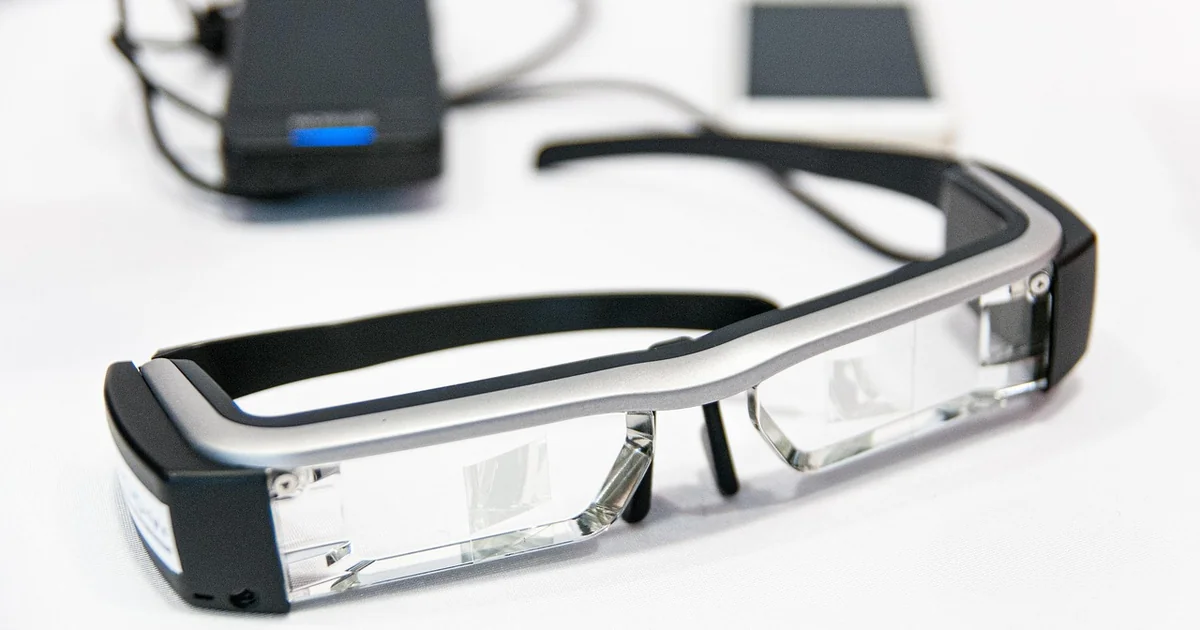
When Google Glass first hit the market in 2013, it felt like a glimpse of the future. You could take photos, get directions, and receive notifications without pulling out your phone. Yet the device never escaped its reputation as a weird, expensive gadget that made wearers look like cyborgs from a budget sci-fi film.
Sameer Samat told reporters, including Korea’s Yonhap News, that the biggest lesson from the lack of commercial acceptance for Google Glass was that fashion outweighs technological appeal. He said, “I learned a lot. The most important thing I learned is that fashion comes first, technology comes second.” That statement captures the core issue. Google built a clever piece of engineering but forgot that people wear glasses every day as a style statement. If those glasses scream “I am a walking computer,” nobody wants to wear them outside.
The Price Tag That Punched a Hole in the Dream
The original Google Glass carried a $1,500 price tag. For that amount, buyers expected something that would blend into their lives seamlessly. Instead, they got a bulky frame with a visible prism that screamed for attention. Compare that to stylish sunglasses from Ray-Ban or Oakley that cost a fraction of that price. The google glass failure fashion equation was simple: no one wants to pay a premium to look unfashionable.
How 13 Years Changed Everything: From Google Glass to Android XR
Google first previewed its smart glass solution at I/O in 2013 – exactly 13 years before the 2026 event where it showed off its new Android XR glasses. That gap illustrates how long it took the company to absorb the lesson. After the original flop, Google attempted an enterprise-grade model in 2017 aimed at workplaces. That too failed to gain traction. The problem was never just the technology; it was the form factor and the social stigma attached to wearing a computer on your face.
Now, Google is taking a completely different approach. The new Android XR glasses are being developed in partnership with established eyewear brands like Warby Parker and Gentle Monster. These companies know how to make frames that people actually want to wear. Google has finally understood that google glass failure fashion oversight cost them years of market opportunity.
What Meta’s Success Taught Google
According to industry analysts’ estimates, Meta has likely sold over 7 million units of its smart glasses since their introduction in 2023. That success is striking because Meta’s technology does not necessarily feel superior to what Google is expected to offer. What Meta got right was the packaging – their glasses look like normal Ray-Bans or Oakleys. You can buy a pair that looks almost identical to a classic Wayfarer. People wear them because they look good, and the tech inside is a bonus.
Google watched that happen and realized that the google glass failure fashion problem could be solved by letting fashion experts lead the design. The new partners bring credibility that no tech company can manufacture on its own.
The Google glass failure fashion Lesson: Why Style Outweighs Specs
When a device sits on your face, it becomes part of your identity. Glasses are one of the first things people notice about you. They frame your eyes, shape your face, and signal your taste. If those glasses look awkward, the wearer feels awkward. That is a psychological barrier that no amount of processing power can overcome.
The same principle applies to smartwatches, headphones, and even phone cases. Wearable technology is unlike a smartphone you keep in your pocket. It is always visible. The design must be good enough that people want to be seen wearing it. Google Glass violated that rule spectacularly. It looked like a prop from a 1990s cyberpunk movie, and the $1,500 price only made the embarrassment more expensive.
Now Google is embracing a fashion-first strategy. Samat confirmed that the company learned that trendiness of the frame matters more than the tech specs for mass adoption. That insight is reshaping how they build every wearable product.
Evaluating Smart Glasses for Daily Wear
For anyone considering a pair of smart glasses today, here are a few questions to ask yourself. First, do the frames complement your face shape and personal style? Second, can you see yourself wearing them to a dinner party without feeling self-conscious? Third, do they come in enough color and material options to match your wardrobe? If the answer is no, the glasses will likely end up in a drawer, no matter how many features they offer.
The same evaluation applies to Google’s upcoming Android XR glasses. The company must ensure they offer multiple frame styles, sizes, and finishes. One-size-fits-most design killed the original Glass. Customization and variety are the keys to avoiding a repeat failure.
Designing for the Face: Partnerships with Warby Parker and Gentle Monster
Google’s decision to collaborate with Warby Parker and Gentle Monster is a strategic masterstroke. Warby Parker is known for affordable, stylish frames that come in many shapes and colors. They also offer a home try-on program that lets customers test frames before buying. Gentle Monster, a South Korean brand, is famous for bold, avant-garde eyewear that often graces fashion runways. Both companies understand that glasses are accessories, not electronics.
By letting these brands handle the aesthetics, Google can focus on the internal hardware and software. The glasses will run on Qualcomm’s Snapdragon AR platform, and both the Warby Parker and Gentle Monster models are expected to launch around fall this year. Samsung also played a pivotal role in artfully combining fashion and technology, drawing on its experience from crafting sleek phones and watches.
How Celebrity and Brand Partnerships Shape Adoption
Meta’s partnership with Ray-Ban gave its smart glasses instant credibility. Ray-Ban is an iconic brand that celebrities and influencers wear. The association made the glasses trendy, not geeky. Google is now following that playbook. Gentle Monster, for instance, has collaborated with K-pop stars and luxury houses. That kind of cultural cachet cannot be bought with a spec sheet. It requires genuine design collaboration.
For the upcoming Android XR glasses, Google hopes that wearing a stylish frame from Warby Parker or Gentle Monster will make the glasses feel like a natural extension of a person’s look, not a separate gadget. This time, fashion comes first, and technology serves it.
Samsung’s Role in Blending Tech and Fashion
Samsung has long been a leader in making technology that looks premium. Their phones and watches use materials like aluminum, ceramic, and leather. They understand that texture, weight, and finish matter as much as processor speed. In the development of the new Android XR glasses, Samsung contributed its expertise in industrial design. The result is a pair of glasses that feel solid but lightweight, with hinge mechanisms and arm curves that mirror traditional eyewear.
This collaboration shows that Google is serious about avoiding the google glass failure fashion trap. By involving a hardware partner with a proven design track record, they increase the chances that the final product will look and feel like something you would buy in an optical store, not a tech store.
You may also enjoy reading: Exploited Exchange Flaw: 5 Ways OWA Becomes Script Launchpad.
The Price Perception: Why $1,500 Killed Glass but $300 Works
Price and fashion are tightly linked in consumer psychology. When something costs $1,500, people expect it to be special in every way – including appearance. The original Google Glass failed that test. It looked unfinished and plasticky. In contrast, Meta’s smart glasses start around $300, which is comparable to premium sunglasses. At that price, buyers are more forgiving of the tech limitations because the glasses still work as regular shades.
Google’s new glasses are expected to be priced competitively, though exact numbers have not been announced. If they can land in the $300–$500 range, they become an impulse buy for fashion-conscious shoppers. The lower price also reduces the risk of buyer’s remorse. When you spend less, you are more willing to experiment with a new category like smart eyewear.
What If the New Glasses Still Fail?
Even with better design and partnerships, there is no guarantee of success. Fashion is deeply personal. What looks trendy to one person may look odd to another. Google must offer enough variety that wearers can find a frame that fits their unique taste. The company also needs to ensure the glasses are comfortable for all-day use. If they are heavy, pinch the nose, or slip off easily, no amount of style will save them.
Another risk is that the technology becomes obsolete quickly. If the display or battery cannot keep up with daily use, the glasses will be discarded. Google has addressed this by working on a special “glazen” version of Android for display-equipped glasses. These models will share some of the phone’s processing responsibility rather than just casting an app in front of your eyes. However, those display glasses won’t arrive until next year, which means the first wave of devices will be simpler – perhaps just with a camera and audio.
What’s Next for Google’s Smart Glasses? A Glimpse at Android XR
At I/O 2026, Google demonstrated how its upcoming Android XR glasses work in tandem with other devices, including the Pixel Watch. The idea is that the glasses serve as an extension of your phone and watch, not a replacement. You can receive navigation cues, respond to messages via voice, and capture moments hands-free. The experience feels integrated rather than clunky.
For glasses without displays, Google relies on audio and a camera to deliver helpful information. For example, the glasses might whisper turn-by-turn directions in your ear or identify a landmark you are looking at. This low-friction approach avoids the visual clutter that made Google Glass so distracting.
Eventually, the display-equipped glasses will arrive, but not until next year. Those will run a version of Android designed specifically for eyewear, allowing apps to blend into your field of view subtly. Google has learned that less is more. The goal is to help without overwhelming.
Practical Steps for Evaluating Smart Glasses as a Fashion Accessory
If you are curious about smart glasses and want to avoid the mistakes of the past, here are some practical steps to follow.
First, try on different frame shapes before you buy. Visit an optical store and see which styles complement your face. Round faces often suit angular frames, while square faces look good with rounder shapes. Second, pay attention to color. Neutral tones like black, tortoiseshell, or matte silver are versatile. Bright colors can be fun but may limit pairing with outfits.
Third, consider the weight. Heavier frames cause discomfort over time. Lightweight materials like titanium or acetate are preferable. Fourth, check how the glasses interact with your phone. Do they require constant Bluetooth reconnecting? Can you control music and calls easily? The technology should be invisible, not a hassle.
Finally, read reviews from real users, not just tech bloggers. Look for comments about durability, scratch resistance, and how the glasses look in everyday photos. Social proof matters. If early adopters post selfies and look great, the product has a chance. If they look awkward, the google glass failure fashion pattern repeats.
Google’s new approach suggests they are listening to these concerns. By partnering with fashion brands, pricing competitively, and prioritizing design, they are giving their smart glasses a fighting chance. The lesson is clear: when technology sits on your face, it must first look good. Everything else is secondary.
Only time will tell if the Android XR glasses will succeed where Google Glass stumbled. But for the first time in over a decade, the company seems to understand that fashion comes first. That is a lesson every wearable tech maker should take to heart.