The Spark EUV Story: From Nameplate Revival to Market Leader
When Chevrolet brought back the Spark EUV nameplate for 2026, few predicted it would climb so fast. The all-new affordable electric SUV landed in Brazil with a 220-mile range and a price tag that turned heads. By April, it had become the best selling electric suv in the country, surpassing 1,000 unit sales in a single month. That record shattered expectations for a market still warming up to zero-emission vehicles.
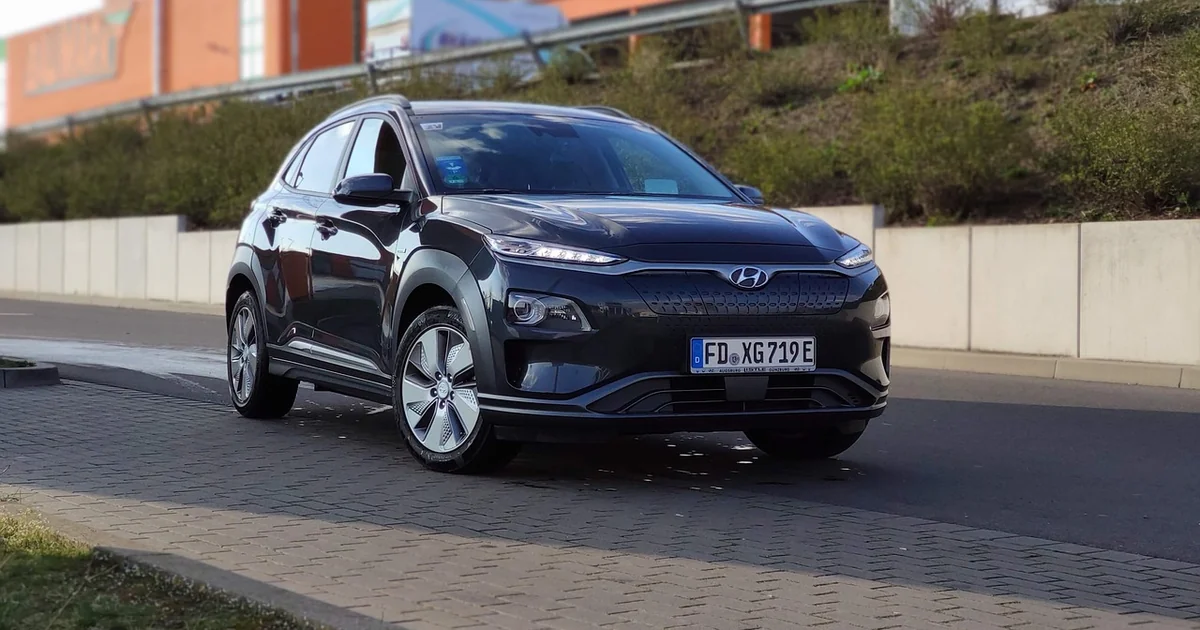
The Brazilian consumer has long loved SUVs. GM Brazil Commercial Director Kleusner Lopes noted that buyers are increasingly open to electrification. The Spark EUV sits right at the intersection of those two trends. It offers a practical body style, familiar tech features, and a price that undercuts most imported rivals. Local manufacturing at GM’s PACE factory keeps costs down and supply steady.
This model shares its bones with Baojun-badged siblings sold in China. A single 75 kW motor drives the front wheels, producing 101 horsepower and 130 lb-ft of torque. Power comes from a 42 kWh LFP battery pack with regenerative braking. On the NEDC cycle, that combination delivers up to 360 km or about 220 miles. The real-world figure varies, but the number is competitive for an entry-level electric SUV.
Why This Model Became the Best Selling Electric SUV in Brazil
Several factors converged to push the Spark EUV to the top of the sales chart. Price alone does not explain the success. Range alone does not either. The vehicle hits a sweet spot that few competitors have managed to reach in Brazil’s emerging EV market. Below are five key reasons that explain the rapid rise.
1. An Affordable Price That Changes the Equation
The Spark EUV carries a price range between R$ 144,990 and R$ 159,990. The top trim lands at roughly $32,000 US. That figure matters because most electric SUVs sold in Brazil come from overseas and carry hefty import duties. A comparable imported model can cost 40 to 60 percent more. The local assembly at GM’s PACE factory eliminates those tariffs and keeps the final price within reach for a broader audience.
Consider a buyer in São Paulo who earns a professional salary and wants to switch to electric. They see the Spark EUV priced similarly to a mid-range gasoline crossover. The math works without requiring a lifestyle sacrifice. For families that drive 30 to 50 miles per day, the upfront cost becomes the main barrier. The Spark EUV removes that barrier more effectively than any rival in its segment.
Financing options also play a role. Brazilian banks offer competitive rates for locally manufactured vehicles. Imported cars often carry higher interest because of currency risk and lower resale value. The Spark EUV benefits from being a domestic product with a strong brand backing. That combination makes monthly payments predictable and manageable.
2. A Realistic 220-Mile Range That Works for Daily Life
The NEDC rating of 220 miles sounds optimistic to anyone familiar with real-world EV driving. But even a conservative estimate of 140 to 160 miles in mixed conditions covers the vast majority of daily commutes in Brazil. The average Brazilian driver travels about 25 to 30 miles per day. That leaves plenty of buffer for errands, detours, and weekend trips.
Regenerative braking helps extend range in stop-and-go traffic. Drivers in congested cities like Rio de Janeiro or Belo Horizonte can recover energy during braking events that happen dozens of times per commute. The LFP battery chemistry also handles partial charging well. Owners do not need to charge to 100 percent every night. Keeping the battery between 20 and 80 percent preserves longevity and still provides enough range for multiple days of driving.
The 50 kW charging speed means a 20-to-80 percent top-up takes about 30 minutes. That is slower than premium EVs that charge at 150 kW or higher. But for a vehicle aimed at home and workplace charging, the speed is adequate. A driver who plugs in overnight at home wakes up to a full battery every morning. The slow DC fast charging only becomes an issue on long road trips, which are rare for most urban buyers.
3. Local Production Gives It a Competitive Edge
GM Brazil invested $73 million to prepare the PACE factory for assembly of the Spark EUV. That investment covered retooling, worker training, and supply chain adjustments. The result is a vehicle built in Brazil for Brazilian buyers. Local production brings several advantages that imported rivals cannot match.
First, import taxes on finished EVs in Brazil can reach 35 percent or more. By assembling the Spark EUV domestically, GM avoids that burden entirely. The savings flow directly to the consumer in the form of a lower sticker price. Second, local production means faster delivery times. A buyer does not wait weeks for a ship to arrive from China or Europe. The vehicle rolls off the line and reaches dealerships within days.
Third, parts availability improves. Service centers stock components for a locally built car more readily than for an imported model. That reduces repair wait times and keeps ownership costs low. Brazilian president Luiz Inácio Lula da Silva attended the kickoff event in December, signaling government support for the project. That political backing adds a layer of stability that helps GM plan long-term production volumes.
4. Standard Technology That Buyers Actually Want
The Spark EUV comes equipped with a 10.1-inch infotainment screen and an 8.8-inch digital instrument cluster. Both Apple CarPlay and Android Auto are standard. That matters because many budget EVs strip out smartphone integration to save cost. GM took the opposite approach. They made connectivity a core feature rather than an optional extra.
For a family buying their first electric vehicle, familiar interfaces reduce the learning curve. Parents can hand their phone to a teenager and know the navigation and music apps work exactly as expected. The digital cluster shows speed, battery level, and range in a clear layout. Drivers do not need to hunt through menus for basic information.
GM North America has argued that Apple CarPlay and Android Auto lead to unsafe driver behaviors. But GM Brazil clearly disagrees. The Spark EUV ships with both systems as standard equipment. That decision aligns with what buyers in emerging markets actually want. A connected car feels modern and capable. A car that blocks phone integration feels outdated, regardless of its powertrain.
5. Record Sales Prove the Formula Works
April marked a turning point. The Spark EUV surpassed 1,000 unit sales in a single month, setting a delivery record for an electric SUV in Brazil. That number may seem modest compared to markets like China or Europe. But in Brazil, where EV adoption is still in its early stages, 1,000 units represents a significant milestone. It signals that the product-market fit is real and repeatable.
GM Brazil Commercial Director Kleusner Lopes highlighted the consumer affinity for SUVs combined with growing openness to electricity. The Spark EUV benefits from both tailwinds. Buyers who might have considered a gasoline crossover now have an electric option at a comparable price. The record sales validate GM’s strategy of building an affordable EV locally rather than importing a premium model.
Word of mouth accelerates adoption further. Early owners share their experiences with neighbors and colleagues. Each new sale adds to the visible presence of the Spark EUV on Brazilian roads. That visibility builds trust and reduces the anxiety that first-time EV buyers often feel. The sales record is not just a number. It is a proof point that affordable electric mobility can work in developing markets.
You may also enjoy reading: Cardiovascular Tech Career Guide: Steps to Start.
What the 50 kW Charging Speed Means for Real-World Use
The 50 kW charging speed is one of the most discussed trade-offs of the Spark EUV. Premium EVs charge at 150 kW, 250 kW, or even higher. At 50 kW, a 20-to-80 percent session takes about 30 minutes. That is slow enough to notice on a road trip but fast enough for daily use.
Imagine a driver in Brasília who commutes 20 miles each way. They arrive home with about 80 percent state of charge remaining. They plug into a standard wall outlet overnight and wake up to a full battery. The 50 kW speed never becomes a bottleneck because they rarely use public fast charging. The scenario changes only when they drive beyond the vehicle’s range in a single day.
For those longer journeys, planning becomes essential. A 30-minute charging stop every 120 to 140 miles works if the route has compatible chargers. Brazil’s fast-charging network is still growing, but major highways between São Paulo, Rio de Janeiro, and Belo Horizonte have coverage. The Spark EUV owner learns to treat charging stops like meal breaks. Plug in, grab a coffee, and resume driving. It is not as convenient as a gasoline fill-up, but it is manageable.
How the Spark EUV Compares to Imported Rivals
Imported electric SUVs in Brazil often carry price tags above R$ 250,000. The Spark EUV undercuts them by roughly 40 percent. That gap is large enough to change purchase decisions even when the imported model offers longer range or faster charging.
Consider a buyer comparing the Spark EUV to a Chinese import with 250 miles of range and 100 kW charging. The import costs R$ 100,000 more. For most families, that extra money could cover years of electricity costs, insurance, and maintenance. The Spark EUV may have slower charging and slightly less range, but the total cost of ownership is dramatically lower.
Local production also means better service availability. Imported brands often have fewer dealerships and longer wait times for parts. GM has an extensive network across Brazil. A Spark EUV owner can get service in most medium-sized cities. That convenience adds value that does not show up on a spec sheet but matters deeply in daily ownership.
The Trade-Off Between Affordability and Charging Speed
Every affordable EV makes compromises. The Spark EUV prioritizes low price and adequate range over cutting-edge charging speed. That trade-off makes sense for its target audience. Buyers in this segment care more about monthly payments than about shaving five minutes off a charging session.
The 42 kWh LFP battery is relatively small by modern standards. But it keeps weight down and cost low. LFP chemistry also lasts longer than NMC batteries, with many packs rated for 2,000 or more charge cycles. An owner who charges once per day can expect the battery to last well over five years before noticeable degradation. That durability matters for buyers who plan to keep the vehicle for a decade.
The 50 kW charging speed also aligns with the capacity of the battery. A larger battery would need faster charging to remain practical. But a 42 kWh pack can fill from 20 to 80 percent in 30 minutes even at 50 kW. The rate is proportional to the pack size. Owners rarely wait longer than necessary because the battery is not large enough to justify a higher-speed charger.
Record Sales as a Signal for Emerging Markets
The Spark EUV’s success in Brazil carries implications beyond one country. Developing markets around the world face similar challenges: limited charging infrastructure, price sensitivity, and a need for practical range. The Spark EUV demonstrates that an affordable, locally built EV can overcome those hurdles.
GM plans to assemble the Spark EUV for South American and Middle Eastern markets from the PACE factory. That export strategy expands the addressable market without requiring additional factory investments. Countries in those regions have similar consumer profiles to Brazil. They value affordability, brand trust, and practical range over premium features.
The 1,000-unit month in April is a data point that other automakers are watching. If the Spark EUV can sustain that pace, it will validate the thesis that affordable EVs can achieve meaningful volume in emerging markets. That could trigger more investment in local production, more competition, and ultimately lower prices for consumers.
A Closing Note on What This Means for Buyers
The Chevy Spark EUV is not the most advanced electric SUV on the market. It charges slowly by premium standards. Its range is adequate rather than impressive. But it is the best selling electric suv in Brazil for a reason. It delivers what most buyers actually need at a price they can afford. That combination is rare in the EV world, and it deserves attention from anyone watching the global transition to electric mobility.