If you have been waiting for a best mid-range camera phone that actually delivers flagship-style photos without the flagship price tag, 2026 is shaping up to be your year. The new mid-range smartphone segment has quietly matured, and one device in particular — the Nova 14 Pro — stands out as a compelling option thanks to its impressive photo quality at an affordable price. You can pick it up for under €500 in Europe or roughly $700 elsewhere, which redefines what you should expect from an affordable camera phone. That said, it is worth noting that no mid-range phone made it onto the overall best camera phone list this year. The competition at the very top remains fierce, but for most people, these new mid-range options offer a practical, everyday photography experience that gets the job done beautifully.
1. Nova 14 Pro: Unrivaled Mid-Range Camera Hardware
Starting with the Nova 14 Pro, this phone shows that mid-range doesn’t mean settling for average photos. Its main camera features a 50-megapixel sensor with a variable aperture — a rare capability at this price point. A variable aperture allows you to adjust the amount of light entering the lens, similar to how a professional camera works. You can switch to a wide aperture for better low-light shots or a narrower one for sharper landscapes. For a 50MP camera mid-range phone, that flexibility is a big advantage. The overall camera system delivers unusually strong performance for its price range, producing detailed, well-balanced images in most conditions. In independent tests, this variable aperture smartphone earned a camera rating of 81.1 percent, a score that rivals some more expensive models. If you’re looking for the best mid-range camera phone that offers genuine hardware superiority, the Nova 14 Pro deserves serious consideration. Its mid-range phone camera rating of 81.1% reflects its ability to punch above its weight class.
2. Variable Aperture: The Secret to Better Depth and Low Light
That strong 81.1% rating isn’t just about specs on paper — it comes from real-world hardware that makes a difference when you point the Nova 14 Pro at a scene. A mechanically controlled aperture lets this phone adapt like a DSLR, giving you direct control over depth of field and light intake. In bright conditions, the aperture closes down to keep more of the scene in focus, ideal for landscapes or group shots. When light drops, it opens wide to pull in every possible photon, boosting low-light performance without relying solely on software trickery.
The result is a low light camera phone that genuinely rivals flagships in its class. Even in dim settings, photos stay sharp and rich in detail — a rare feat for mid-range devices. Color rendering leans slightly warmer than most competitors, but that warmth often adds a pleasing tone to evening shots. If you’re searching for the best mid-range camera phone with real hardware advantages, the Nova 14 Pro’s mechanical aperture smartphone design gives you depth of field control and low-light confidence that software-only solutions can’t match.
3. Telephoto Camera: Zoom That Punches Above Its Weight
Moving past aperture tricks, let’s talk about getting closer to the action. A telephoto lens is often what separates a good camera setup from a truly versatile one, and this mid-range device delivers in a way that feels like a small victory. The dedicated telephoto camera with lossless 3x magnification takes beautiful, sharp photos that stay crisp and detailed right at that zoom level. You can frame a portrait from a comfortable distance or isolate a subject without stepping into the scene yourself. It’s a practical addition that makes the best mid-range camera phone classification feel earned, because you’re not relying on digital cropping to get a closer view.
However, be realistic about how far you can push this lens. While 3x is genuinely impressive, zooming beyond 5x quickly reminds you this isn’t a flagship. Past that point, results soften noticeably, and the image quality falls short of what you’d see from a top-tier model. For most daily use — catching a performer on stage, snapping a pet a few meters away — the 3x telephoto lens mid-range setup is plenty. In a zoom camera comparison against pricier phones, this device holds its own for the range it does best, then gracefully bows out. It’s a balanced zoom capability for a mid-range device that prioritizes reliability over trying to do everything at once.
4. Dual Selfie Cameras: Perfect for Group Shots
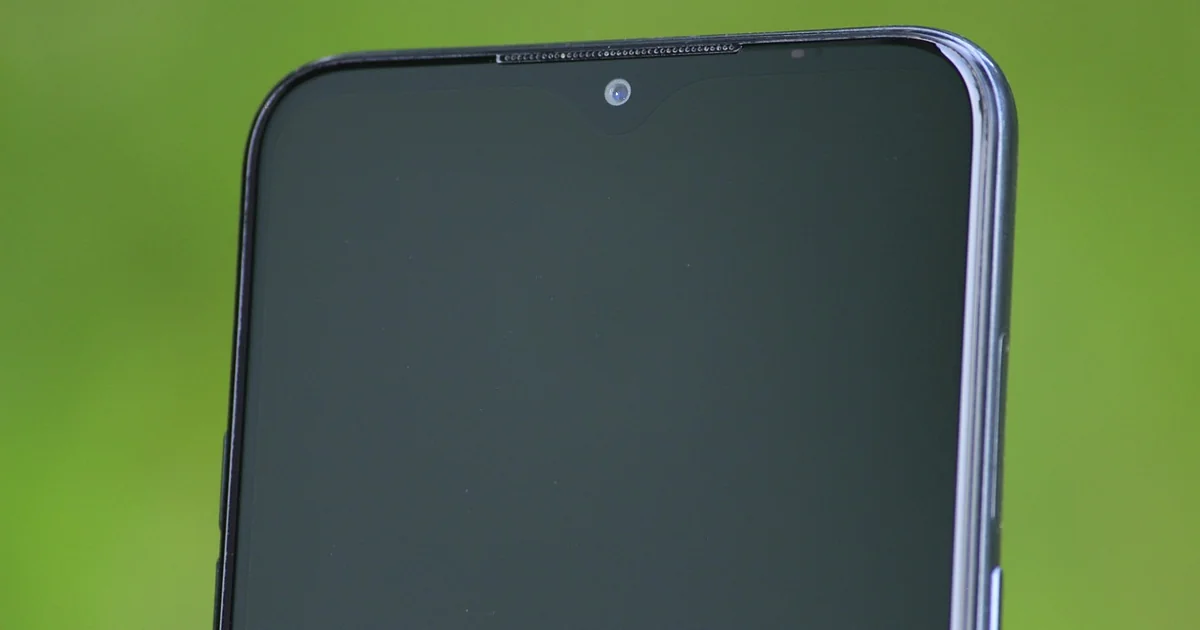
If you love taking selfies with friends but hate the awkward arm stretch or the dreaded cut-off faces, this next feature is a real standout. While the previous phone handled zoom on the rear camera with quiet competence, this device turns its attention to the front. It is one of the few options you will find in this price bracket that genuinely prioritizes group photos. The Huawei phone features two front-facing selfie cameras, which is a rare setup for a best mid-range camera phone. Instead of a single lens that forces you to squeeze everyone into the frame, the dual selfie camera setup captures a much wider field of view.
This makes a huge difference when you are out with a group of friends or trying to capture a scenic background behind you. You no longer need a selfie stick or to ask a stranger to take the photo. The wide-angle lens handles the heavy lifting, so everyone fits in the shot naturally without distortion. For video calls and social media content, this versatility is a practical bonus. It gives you the flexibility to switch between a standard close-up and a wide-angle selfie with a simple tap. For anyone who regularly takes group photos, this is a compelling reason to choose this specific group selfie smartphone over more standard mid-range options.
5. Xiaomi 15T: The Value King After a Price Drop
While the Nova 14 Pro excels at selfies, the Xiaomi 15T focuses on raw value, especially now that its price has dropped. Launched in 2025, this model has already seen a significant reduction, making it one of the best mid-range camera phones for budget-conscious buyers. You can find it starting at around $535 on Amazon US, which positions it as a strong competitor for anyone looking for a cheap camera phone in 2026. The Xiaomi 15T price drop is a key factor here, as it brings flagship-level hardware into a more accessible range.
If you are willing to look at a slightly older model from last year, this Xiaomi mid-range phone offers excellent performance for the money. It handles everyday photography with ease, and the reduction in cost means you get more features for your spending. For practical shoppers who prioritize getting the most from their budget, the Xiaomi 15T is a reliable choice that proves you don’t need to spend top dollar for a capable camera system. It is a straightforward, no-fuss option that delivers strong results without the premium price tag.
6. Head-to-Head: Nova 14 Pro vs. Honor Magic8 Pro
Moving on from the Xiaomi 15T, this comparison tackles one of the most common questions in mobile photography: can a mid-range phone really compete with a flagship? The Honor Magic8 Pro camera scored 86.6 percent in overall ratings, placing it ahead of the Nova 14 Pro at 81.1 percent. But here is the catch — the Honor costs roughly twice as much. That means the Nova 14 Pro delivers about 85 percent of the camera quality for half the price, making it a strong contender in the search for the best mid-range camera phone. The trade-offs become clear when you compare zoom capabilities and processing. The Honor Magic8 Pro produces cleaner, more detailed images at higher zoom levels and handles complex lighting with more consistency. For everyday shots, social media, and well-lit scenes, the Nova 14 Pro performs admirably and will satisfy most users. The Nova 14 Pro vs Honor debate ultimately comes down to how much you value those extra percentage points. If you shoot mostly in good light and prefer saving money, the Nova 14 Pro is a smart pick. If you demand the best possible zoom and processing, the Honor Magic8 Pro justifies its premium. This is a classic mid-range vs flagship camera showdown, and the results clearly show that you can have excellent photography without spending flagship money.
7. What You Sacrifice and Gain: Trade-offs and Missing Google Services
This final entry on the list of the best mid-range camera phone options comes with a major asterisk. The Huawei Nova 14 Pro offers a genuinely impressive camera system that can compete with pricier rivals, but it lacks Google services due to the ongoing Huawei Google services ban. This means you won’t have access to the Play Store, Gmail, Google Maps, or YouTube in the way you’re used to. You can sideload apps or use Huawei’s own AppGallery, but daily usability takes a hit for most people.
Beyond the software compromise, several key mid-range phone specs remain unconfirmed. Details like the processor, RAM, storage, battery capacity, and display specifications are still unclear at this stage. There is also no official water resistance rating or a clear software update policy, which matters for long-term use. Build quality and the presence of other sensors, such as an ultrawide or macro lens, have not been confirmed either. If you value a seamless Google experience and want concrete specs before buying, this model requires careful consideration. However, if you can work around the missing services, the camera performance alone makes it a compelling, if niche, contender.
Frequently Asked Questions
How does the variable aperture on the Nova 14 Pro improve photo quality compared to fixed-aperture mid-range phones?
The variable aperture allows the lens to adjust its opening based on lighting. In bright scenes, a smaller aperture gives sharper detail across the frame. In low light, a wider aperture lets in more light for brighter, less noisy images. This flexibility helps you capture better photos in more conditions than a fixed-aperture phone can manage.
How does the Nova 14 Pro’s camera performance compare to higher-ranked phones like the Honor Magic8 Pro?
The Honor Magic8 Pro is a flagship with top-tier sensors and processing, so it outperforms the Nova 14 Pro in extreme conditions. However, the Nova 14 Pro offers excellent value and many of the same shooting modes for everyday use. For most users, it remains a strong contender for the best mid-range camera phone without the flagship price.
How does the Nova 14 Pro handle low-light photography?
It uses a combination of optical image stabilization and software processing to reduce blur and noise in dim conditions. The variable aperture helps by opening wider when light is scarce. You can expect usable, detailed shots in most low-light situations, though very dark scenes may still show some grain.