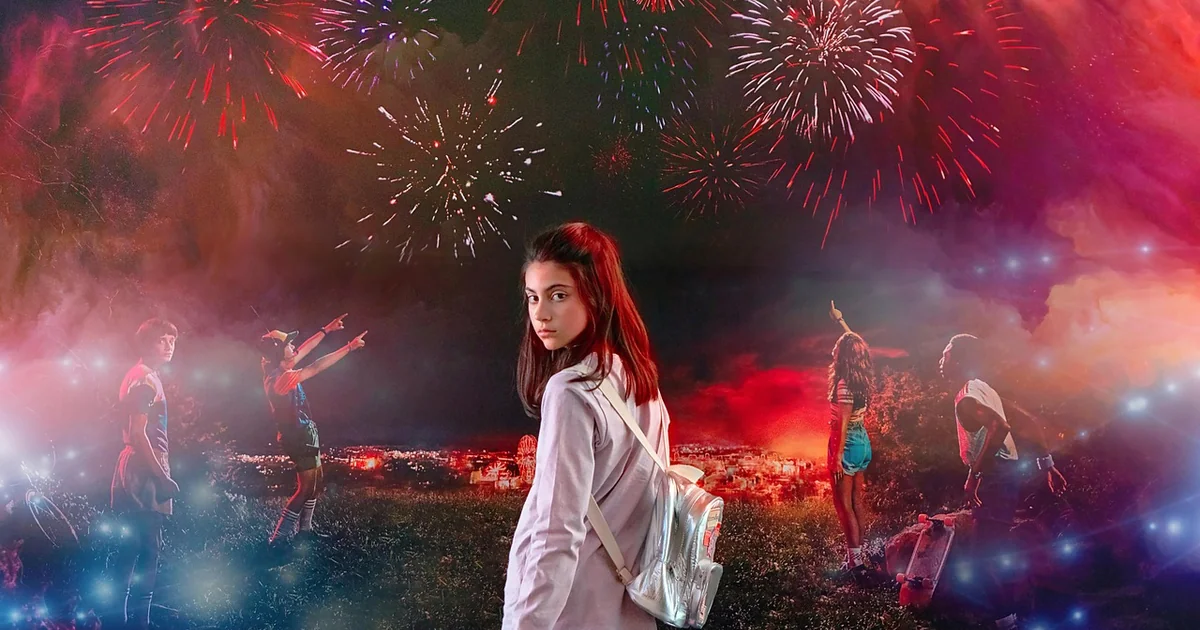
The shadow of the Upside Down is longer than anyone anticipated. Just as the credits rolled on the main series, leaving fans to grapple with the emotional weight of the Hawkins crew’s journey, a new kind of darkness began to flicker on the screen. It turns out that the universe created by the Duffer Brothers is not a closed loop, but an expanding ecosystem. This expansion is most evident in the recent surge of interest surrounding stranger things tales from the mid-eighties, specifically through the animated lens that has breathed new life into the franchise.
The Strategic Resurrection of a Global Phenomenon
Netflix is not merely a streaming service; it is an architect of attention. When a property reaches the heights of the original series, with seasons 1 through 5 accumulating a staggering 1.5 billion cumulative views, the platform faces a unique challenge. How do you maintain the cultural relevance of a massive brand without the heavy lifting of a live-action blockbuster production every single year?
The answer lies in transmedia storytelling and the utilization of high-quality animation. By pivoting to an animated format, the studio can explore different tonal registers and narrative gaps that would be prohibitively expensive or tonally inconsistent in live-action. This strategy allows for a continuous flow of content that keeps the fandom engaged during the long hiatuses required for high-budget filming. The success of this approach is measurable. The animated spin-off, Stranger Things: Tales From ’85, immediately carved out its space, debuting at number seven in the Netflix Top 10 and securing a position among the top 15 animated series debuts of all time.
For a completionist trying to piece together the timeline of the Hawkins universe, these animated expansions are more than just side stories. They function as connective tissue. They provide a way to see characters in different lights and explore the mechanics of the supernatural world without disrupting the core continuity of the main protagonists’ lives. It is a sophisticated way to protect an intellectual property from the inevitable “decay” that follows a series finale.
Unpacking the Success of Stranger Things Tales From ’85
The decision to move into animation was not a shot in the dark. It was a calculated move to capture a specific segment of the audience: those who crave the aesthetic and the lore but perhaps want a faster-paced, stylized interpretation of the 1980s. The series functions as a bridge, filling the chronological voids between the second and third seasons of the flagship show.
One of the primary drivers of this success is the ability to introduce new perspectives. Take, for example, the character of Nikki, voiced by Odessa A’zion. She is a punky, vibrant addition to the Hawkins Investigators Club, bringing a fresh energy to the Dungeons & Dragons-centric group dynamic. For viewers who prefer animated storytelling, Nikki offers a level of character expression and stylistic flair that live-action sometimes struggles to replicate without feeling “cartoony.”
However, this expansion also presents a puzzle for the dedicated fan. If Nikki is such a vital part of the group in this animated era, why is she absent from the main series’ timeline during the Starcourt Mall era? This creates a narrative tension that keeps viewers speculating. Is there a temporal reason? Did she move away? Or is the animated series operating on a slightly different logic? These questions are exactly what drive engagement metrics and social media discourse.
The Rapid Cycle of Production and Renewal
To nobody’s surprise, the renewal of Tales From ’85 for a second season came almost as soon as the first season gained traction. This rapid-fire production cycle suggests that Netflix and the production teams were likely working on these installments in tandem. For a streaming platform, the ability to drop a second season “this fall” is a massive advantage in the war for subscriber retention.
This speed is achievable because animation, while complex, does not face the same logistical hurdles as live-action. You do not need to coordinate the schedules of dozens of A-list actors, secure massive location permits for period-accurate sets, or manage the physical safety of child actors on high-concept sets. You manage pixels, voice actors, and digital environments. This allows for a more controlled and predictable release schedule, which is essential for maintaining a “content cycle” that feels constant to the consumer.
Navigating the Lore: Mines, Flowers, and Paranormal Threats
If you read between the lines of the recent announcements, the direction of the animated series is becoming increasingly focused on the biological and geological mysteries of the Hawkins area. The upcoming season promises to delve into a paranormal threat emerging from abandoned silver mines. This setting evokes a classic sense of adventure, reminiscent of vintage mystery shows, yet it is grounded in the specific, terrifying ecology of the Upside Down.
The narrative threads are becoming more intricate. We saw a mysterious blue flower blooming in the Upside Down at the end of the first season. This isn’t just a visual flourish; it is a biological clue. In the world of stranger things tales from the 1980s, every anomaly has a source. Showrunner Eric Robles has confirmed that the seasons are deeply linked, meaning the mystery of this flora and the entity lurking in the mines are likely two sides of the same coin.
For the fan of 1980s nostalgia, these elements provide the perfect backdrop. The combination of silver mines, mysterious botanical anomalies, and a punky, retro aesthetic creates a “mood” that is just as important as the plot itself. The series even leans into this by providing a dedicated Spotify playlist, allowing the audience to immerse themselves in the sonic landscape of the era even when they aren’t watching the screen.
Solving the Mystery of the Missing Links
One problem fans frequently face with franchise expansions is the “lore gap.” When a spin-off introduces a character or a concept that isn’t mentioned in the main show, it can feel like a distraction rather than an addition. To solve this, creators must use these stories to provide “contextual depth” rather than just “plot filler.”
The solution implemented here seems to be the use of the animated series to explore the how and why of the Upside Down’s influence on the town. Instead of trying to change the main timeline, the show uses the animated format to expand the boundaries of what is possible. It answers questions about the nature of the dimension—such as the biological properties of the blue flower—without needing to rewrite the history of Eleven or Mike.
You may also enjoy reading: Get the Best Alienware Gaming Monitor at a Record Low Price.
For viewers who feel the main series left too many unanswered questions, these stranger things tales from the past serve as a way to explore the “unseen” parts of the world. It is a way to satisfy the curiosity of the “theory crafters” who spend hours analyzing every frame of the original series.
The Economics of the Spin-Off Model
Why is Netflix investing so heavily in these animated expansions? The answer is found in the concept of “IP lifecycle management.” A single hit series has a finite lifespan. Eventually, the actors grow up, the production costs skyrocket, and the audience moves on. However, a franchise can be kept alive through various iterations.
By creating an animated universe, Netflix achieves several goals:
- Cost-Effective Engagement: Animation allows for high-concept sci-fi elements at a fraction of the cost of live-action VFX.
- Demographic Expansion: Animation can appeal to younger audiences and those who prefer different storytelling styles.
- Brand Continuity: It keeps the “Stranger Things” name in the conversation, ensuring that when the final live-action seasons eventually arrive, the brand is still at the forefront of the cultural zeitgeist.
This is a blueprint that many other studios are now attempting to follow. We are seeing a shift toward “transmedia ecosystems” where a single story is told across movies, live-action shows, animated series, and even interactive media. The goal is to create a world that feels lived-in and infinite.
Practical Tips for Navigating Large-Scale Franchises
As these universes continue to grow, it can become overwhelming for the average viewer to keep track of everything. If you find yourself lost in a sea of spin-offs and timelines, here is a step-by-step approach to staying engaged without the frustration:
- Identify the Core Canon: Always distinguish between the primary narrative (the live-action series) and the expanded universe (the animated series, comics, or shorts). This helps manage expectations regarding character continuity.
- Watch for Visual Cues: In shows like Tales From ’85, pay close attention to recurring motifs—like the blue flower or specific musical themes. These are often the keys to understanding how the spin-off connects to the larger lore.
- Utilize Supplemental Media: Don’t ignore the soundtracks or official social media posts. In modern storytelling, these are often used to drop subtle hints about upcoming plot points.
- Join Community Discussions: Use forums or social media to see how other fans are interpreting the gaps in the timeline. This can turn a confusing narrative into a rewarding puzzle.
The Future of the Hawkins Universe
As we look toward the fall release of the second season, the question remains: how much further can this go? The mention of “abandoned silver mines” suggests that the scope of the horror is expanding from the domestic streets of Hawkins into the darker, more desolate corners of the surrounding geography. This shift in setting is a classic way to refresh a franchise, moving from “suburban dread” to “industrial gothic horror.”
The success of stranger things tales from the mid-eighties suggests that there is a significant appetite for more. Whether we see a Tales From ’86 or a different kind of animated venture, the precedent has been set. Netflix has proven that the Upside Down is not a place you simply visit; it is a world that can be continuously explored, reinterpreted, and expanded.
The evolution from a single teen drama into a multi-format powerhouse is a testament to the strength of the original concept. By embracing animation, Netflix isn’t just trying to keep a dead show alive; they are building a living, breathing mythology that can survive long after the original cast has moved on to other things. The Hawkins Investigators Club may be changing, but the mystery is only just beginning.
Whether you are a fan of the high-stakes drama of the live-action series or the stylized, retro-adventure of the animated spin-off, one thing is certain: the shadows are still moving, and there is plenty more to discover in the dark.