Deciding on a new flagship smartphone often feels like choosing between two different lifestyles rather than just picking a piece of hardware. As we look toward the upcoming release cycle, the conversation has shifted from incremental updates to a fundamental divergence in how we interact with mobile technology. The rumored lineup suggests a massive split in philosophy, forcing users to choose between the refined, reliable evolution of the Pro series and the experimental, expansive potential of the Ultra. When weighing the iphone 18 pro vs the Ultra, you are not just comparing specs; you are deciding whether you want a perfected tool or a brand-new category of device.
Navigating the Complexities of Mobile Photography
For many enthusiasts, the decision in the iphone 18 pro vs the Ultra debate comes down to a single question: how do you capture your world? While the Ultra offers a larger canvas for viewing your shots, the Pro series continues to lean into the specialized hardware required for professional-grade photography. This creates a fascinating tension between versatility and specialization. You must decide if you want a device that can do everything reasonably well, or one that excels in specific, high-end optical tasks.
5. The Power of the Dedicated Telephoto Lens
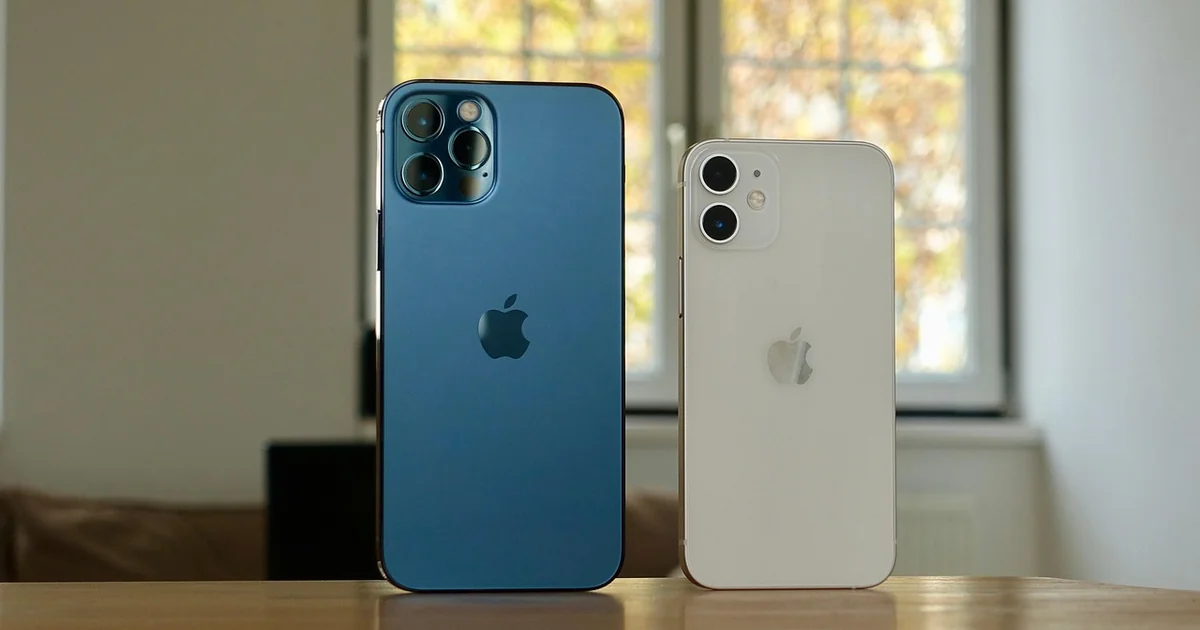
The iPhone 18 Pro remains the undisputed champion for those who crave optical zoom. By including a dedicated Telephoto lens, Apple ensures that users can capture distant subjects with clarity and minimal digital noise. This is a critical feature for travelers, concert-goers, or wildlife enthusiasts who cannot physically move closer to their subject. The presence of this lens allows for true optical compression, creating that professional “bokeh” effect that makes portraits look sophisticated and high-end.
6. The Trade-off of the Ultra’s Camera Array
In a surprising move, the Ultra is expected to lack a dedicated Telephoto lens, focusing instead on a high-quality Main and Ultra Wide setup. This represents a calculated risk by Apple, prioritizing the thinness and folding capability of the device over long-range zoom. For the average user who primarily takes wide shots of landscapes or close-up photos of food and family, this may not be a dealbreaker. However, it does signal that the Ultra is a device for creators who value composition and wide-angle storytelling over distance.
7. Versatility vs. Specialized Optics
When comparing these two, you are essentially choosing between a “Swiss Army Knife” and a “Precision Scalpel.” The Pro is the Swiss Army Knife; it has a tool for every scenario, including the niche requirement of high-magnification photography. The Ultra is more like a precision instrument for wide-angle and standard shots, optimized for the unique perspectives that a folding screen can provide. If your photography style relies heavily on zooming in to find the perfect frame, the Pro is your clear winner.
8. The Impact of Screen Size on Photo Editing
Where the Ultra regains its footing is in the post-processing stage. Editing a photo requires precision, and doing so on a standard smartphone screen can be frustratingly difficult. The massive inner display of the Ultra provides a much more accurate representation of color, detail, and composition. You can see the fine grain of a shadow or the subtle gradient of a sunset with much greater ease, making the Ultra an incredible tool for mobile editors who want to refine their work on the go.
Materiality and the Feel of Luxury
The physical sensation of holding a device is a part of the user experience that is often overlooked in spec sheets. The materials used in construction affect not only the durability and weight but also the way the device interacts with your skin and your environment. As we look at the iphone 18 pro vs the Ultra, we see two very different approaches to what a “premium” device should feel like.
14. The Tactile Reliability of Aluminum
Aluminum provides a sense of solidity and “heft” that many users associate with high-quality tools. It feels substantial in the hand without being overly heavy. For those who use their phones in rugged environments or frequently drop them, the aluminum unibody offers a predictable and resilient structure. It is a material that has been proven over years of iterative design to balance durability with a premium tactile response.
You may also enjoy reading: 7 Massive Solar, Wind and Storage Capacity Shifts in 2026.
15. The Lightweight Elegance of Titanium
Titanium is the language of high-end aerospace engineering. By using this material, the Ultra aims to feel incredibly light and sophisticated. It offers a different kind of luxury—one that focuses on effortless portability and a sleek, modern aesthetic. For the professional who carries multiple devices and values every gram of weight in their bag, the titanium construction of the Ultra provides a significant advantage in terms of ease of carry.
16. Durability and Long-Term Wear
When considering the longevity of your investment, the mechanical nature of the Ultra’s hinge is a factor to keep in mind. While Apple’s engineering is world-class, any device with moving parts introduces a new variable in terms of long-term wear and tear. The iPhone 18 Pro, being a static, solid device, offers a level of structural simplicity that is inherently more durable against dust, grit, and repetitive mechanical stress.
17. The Aesthetic of Modernity
The Ultra is designed to be a statement piece. Its unique shape and the way it transforms from a compact phone to a mini-tablet make it a conversation starter. It is a device for the early adopter, the person who wants to feel like they are holding a piece of the future. The iPhone 18 Pro, by contrast, represents the perfection of the present—a device that doesn’t need to shout to prove its capability.
18. Finding Your Personal Equilibrium
Ultimately, the choice between these two devices comes down to your personal equilibrium. Do you prioritize the specialized, high-performance photography and thermal stability of the Pro? Or are you drawn to the transformative, large-screen potential and lightweight elegance of the Ultra? There is no wrong answer, only a choice between two different ways of experiencing the digital world. Assess your daily habits, your most frequent tasks, and your long-term needs to determine which of these technological paths is the right one for you.
Whether you choose the refined power of the Pro or the expansive innovation of the Ultra, both devices represent a massive leap forward in mobile computing. Your decision should reflect not just what you want your phone to do today, but how you want to interact with technology for the next several years.