You check your solar monitoring app after a spring rain and see numbers that seem impossible. Your panels are rated for a specific wattage, yet the app shows a spike well beyond that limit. You wonder if the system is broken or if something strange is happening with the meter. This exact scenario played out for one Reddit user recently, sparking a fascinating discussion about what happens when sunlight and clouds interact in unexpected ways. The good news is that the explanation is grounded in real atmospheric science, not a glitch in the electronics.
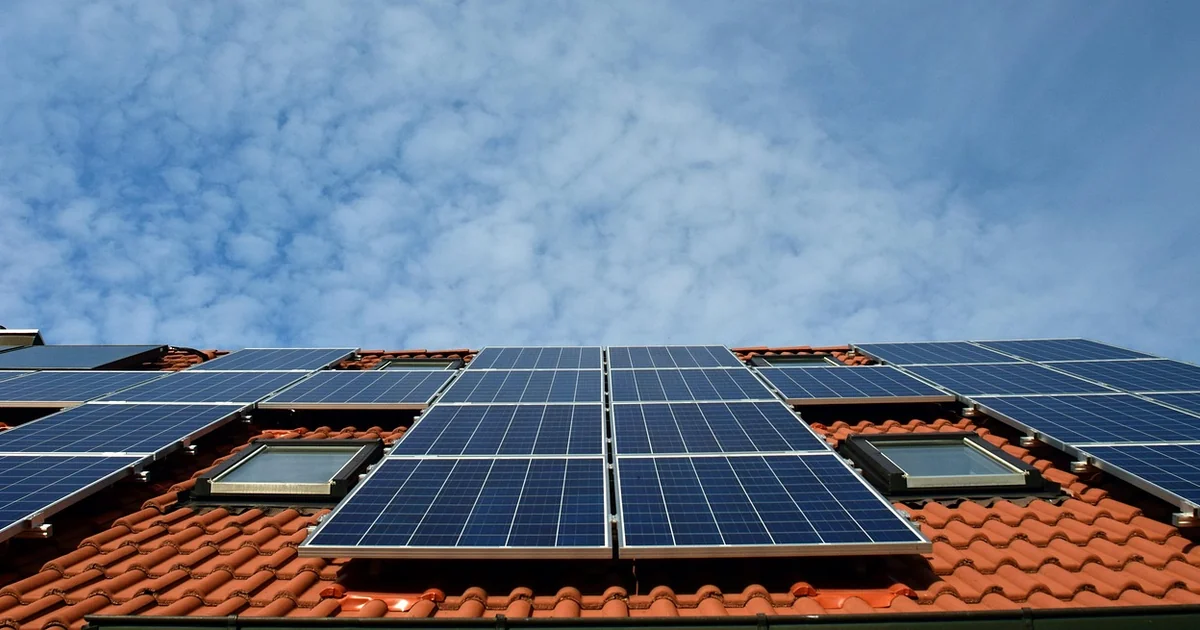
The Science Behind the Surge
When a Reddit user named Full_Analysis_3392 saw their 880-watt panel system producing over 1,050 watts, they did not immediately assume the laws of physics had changed. Instead, they examined their assumptions and asked for help. The answer revealed a well-documented phenomenon called cloud edge enhancement. This solar panels cloud effect can briefly push output beyond a system’s rated capacity under the right circumstances.
What Is Cloud Edge Enhancement?
Cloud edge enhancement occurs when scattered clouds partially block the sun but also act like lenses. Light bends around the edges of clouds and concentrates onto a specific area. This can raise the global horizontal irradiance, or the total sunlight hitting a square meter of ground, above what you would get on a perfectly clear day. Researchers have measured spikes exceeding 1,400 watts per square meter, while a typical clear sky delivers around 1,000 watts per square meter. The effect is most common during partly cloudy conditions when the sky transitions rapidly between sunny and overcast.
During these moments, the stray light from cloud edges adds to the direct sunlight already hitting the panels. The result is a temporary boost in power generation. For a system near its rated capacity, this boost can push the inverter readout past 100 percent. It does not break physics, but it does stretch normal expectations. The solar panels cloud effect is a real, measurable event that solar engineers and researchers study to improve system designs.
Why Temperature and Wind Matter
Another factor working in the Reddit user’s favor was the weather after rain. Solar panels operate more efficiently when they are cool. A panel rated for 440 watts at standard test conditions, which assume 25 degrees Celsius, will produce less power as it heats up on a hot day. But after a rainstorm, the panels and the surrounding air are colder. The efficiency gain can be significant, often 0.3 to 0.5 percent per degree Celsius below the standard temperature. Combine cooler panels with the cloud edge boost, and you get a brief overshoot in output.
This cooling effect also reduces resistive losses in the wiring and the inverter. Colder components conduct electricity more easily, which means less energy is wasted as heat. For a van-based setup where the panels are mounted close to the vehicle roof, airflow around the panels also improves after rain, further aiding temperature management. The combination of cloud enhancement and lower temperature creates a short window of exceptional performance.
Practical Implications for Solar Owners
Understanding this phenomenon helps solar owners make sense of their monitoring data. If you see a sudden spike that seems too good to be true, it might be a real cloud enhancement event. But it is important to distinguish between genuine overproduction and a false reading from a faulty sensor or inverter.
Is Overproduction Safe for Your Equipment?
Most modern inverters are designed to handle brief surges above their rated input. They clip the excess power to prevent damage. However, if the overproduction is large enough or lasts long enough, it can cause the inverter to overheat or trip a fuse. Researchers have documented cases of fuse blowing in large photovoltaic plants in Brazil during cloud enhancement events. For a small residential or van system, the risk is low because the spike usually lasts only a few seconds to a couple of minutes. The inverter’s built-in protections are adequate for these short bursts.
That said, if your system frequently trips fuses or shuts down after cloudy days, you may need to adjust the inverter settings or add a larger fuse. Consult your inverter’s manual or a professional installer to confirm the safe operating range. The solar panels cloud effect is a bonus, not a threat, for most small systems.
How to Verify Cloud Enhancement Events
To confirm that a spike is due to cloud enhancement rather than a glitch, compare your inverter readout with local weather conditions. Look for a pattern: did the spike occur shortly after a rain shower during partly cloudy skies? Did the output return to normal within a few minutes? You can also check the temperature of your panels using an infrared thermometer or a monitoring app that reports panel temperature. If the panels are significantly cooler than a typical sunny day, the efficiency gain adds credibility to the event.
Another method is to review the irradiance data from a nearby weather station or a reference cell. If the global horizontal irradiance exceeded 1,100 watts per square meter during the spike, cloud enhancement is likely the cause. Some solar monitoring platforms like SolarEdge or Enphase provide detailed graphs that show minute-by-minute output. A sharp peak that drops back down within ten minutes is a classic signature of the cloud edge effect.
Why Van and Open-Sky Setups See This More Often
The Reddit user’s system was installed on a van roof. This is an important detail because vans and RVs typically park in open fields, near beaches, or on wide roads away from tall buildings and trees. A home rooftop system nestled in a suburban neighborhood with shade from oaks or neighbors’ houses will not experience the same frequency of cloud enhancement events. The van’s panels have a larger field of view, meaning they see more sky and therefore more opportunities for cloud edges to concentrate light.
You may also enjoy reading: Blue Apron Review: 7 Reasons Revamped Meal Kit Is Worth It.
Bifacial panels, which absorb light from both the front and back sides, amplify this effect. The Redditor used Jinko Tiger Neo 440W bifacial panels. These panels capture reflected light from the ground, such as sunlight bouncing off the van roof or nearby surfaces. After rain, the ground is darker, so less light is reflected. But the cloud edge enhancement effect is primarily a front-side phenomenon. The bifacial design simply adds a small extra gain from the back side, especially if the van roof is light-colored or covered in reflective material.
The Real-World Impact on Solar Plant Design
While the householder may see a brief spike as a fun surprise, solar plant operators view cloud enhancement as a serious design consideration. Large photovoltaic plants, especially those in tropical or coastal regions, experience frequent cloud passage. When cloud enhancement occurs, the sudden rise in irradiance can overload inverters and blow fuses. This interrupts power production and leads to economic losses from downtime.
Research by do Nascimento et al. (2019) documented fuse tripping events in Brazilian solar plants caused by cloud enhancement. The study emphasized that engineers must account for these transient bursts when selecting protection equipment and inverter sizing. Oversizing inverters or using faster-acting fuses can reduce the risk. For home systems, the lesson is similar: if you live in an area with frequent partial cloud cover, choose an inverter with a slightly higher input rating than your panel array’s total wattage. This buffer allows the system to handle brief surges without tripping.
Common Questions About Solar Panels and Cloud Effects
Can I intentionally trigger cloud enhancement?
No, the phenomenon is random and depends on cloud cover that you cannot control. You cannot position your panels to guarantee cloud edge events. Even in the same location, the effect occurs only when specific cloud patterns happen to align with your panels. The best approach is to enjoy the bonus when it happens, but do not rely on it for your energy budget.
Does this mean my panels are more efficient on cloudy days?
Not in general. Over the course of an entire cloudy day, your total energy harvest is typically lower than on a sunny day. The cloud enhancement effect is short-lived and rare. It does not make a cloudy day outperform a clear day in total kilowatt-hours. The temporary spike is a curiosity, not a reliable energy source.
Should I upgrade my inverter to handle higher surges?
Unless you experience frequent fuse blowing or inverter shutdowns, there is no need to upgrade. Standard residential inverters from brands like SMA, SolarEdge, or Enphase are designed with a safety margin. If you see occasional spikes of 10 to 20 percent above rated capacity, the inverter will clip the excess without damage. If the spikes exceed 30 percent and occur regularly, consult a professional about resizing the inverter or adding a surge protector.
A Rare but Rewarding Phenomenon
The next time you see your solar monitoring app show a number that seems to defy the label on your panels, take a moment to check the weather. If the sky was partly cloudy after a rain and your panels are cool, you have probably witnessed cloud edge enhancement. It serves as a reminder that solar energy is more nuanced than a simple sunny-versus-cloudy equation. The atmosphere is a complex system, and our technology is good at capturing its surprises. For those considering solar, this phenomenon offers one more reason to appreciate the innovation behind clean energy. You might not wake up to an extra gallon of fuel in your tank, but with solar, nature sometimes hands you a bonus watt or two.