The UK software development landscape is undergoing a rapid transformation driven by artificial intelligence, cloud-native strategies, and tighter security mandates. These shifts are not gradual — they are reshaping how teams build, deploy, and protect software in real time. For businesses and developers looking to stay competitive, recognising the direction of these changes is essential.
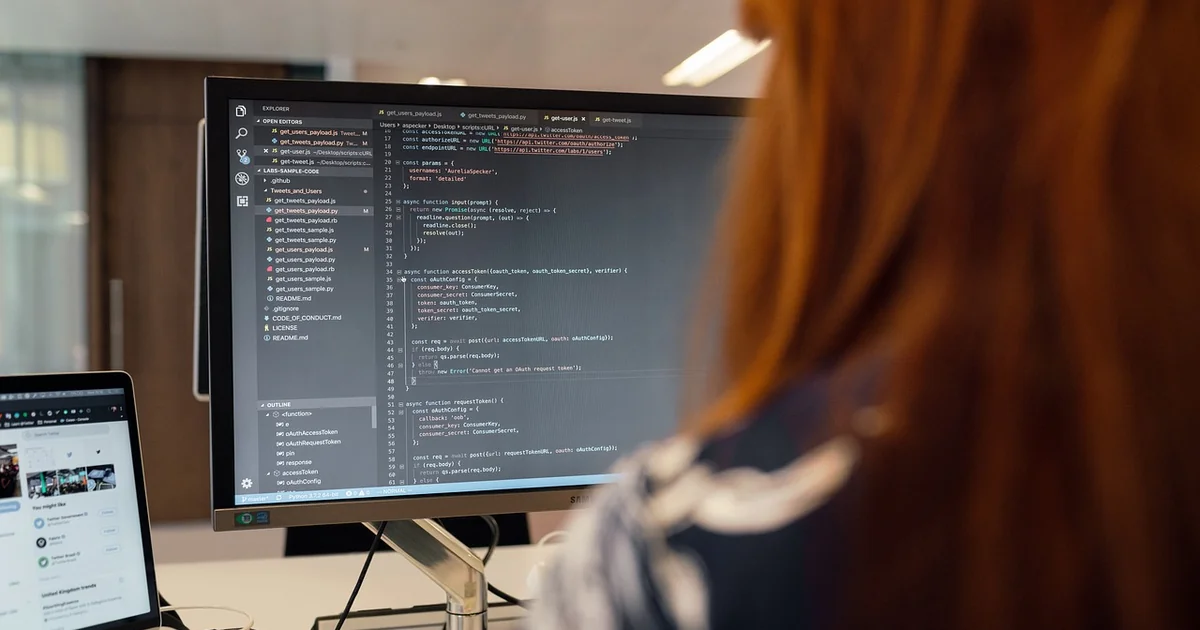
How Are AI Tools Changing the Daily Work of UK Developers?
1. AI-Powered Development Tools
Artificial intelligence has moved beyond experimental side projects into everyday development workflows. UK developers are increasingly adopting AI-coding assistants such as GitHub Copilot and Google Gemini Code Assist. These tools generate context-aware code snippets, automate repetitive tasks, and reduce syntax errors before code ever reaches a reviewer.
The effect on team velocity is measurable. When routine coding blocks are handled by an assistant, developers spend less time on boilerplate and more time on architecture and logic. The result is a noticeable shift in daily routine — less typing, more thinking. Academic institutions in Cambridge and London are actively researching next-generation AI development tools, which suggests this trend will deepen rather than plateau.
These assistants are not replacing human judgment. They handle pattern recognition and autocomplete, freeing developers to focus on system design, edge cases, and user experience decisions. Teams that integrate these tools early report fewer bugs in initial commits and faster iteration cycles.
What Is Driving the Widespread Adoption of Cloud-Native Architectures?
2. Cloud-Native Development Dominance
The move to cloud-native architecture is no longer a forward-looking strategy — it is the baseline expectation. 95% of UK enterprises now prioritise cloud-first strategies for new applications. This shift goes beyond simply hosting virtual machines in a cloud provider. It means designing software as collections of loosely coupled services that can scale independently.
Serverless architectures, containerisation with Kubernetes, and microservices have become standard approaches across UK development teams. The London fintech sector, in particular, relies on cloud-native patterns to process millions of daily transactions while maintaining uptime and compliance. Without the elasticity that cloud-native design provides, those workloads would be far more expensive and fragile to operate.
What distinguishes current trends is the sophisticated use of hybrid and multi-cloud deployments. Organisations now distribute workloads across multiple providers to balance performance, regulatory requirements, and cost. This adds orchestration complexity but gives teams flexibility to avoid vendor lock-in while meeting data residency rules.
How Has Cybersecurity Integration Become a Standard Practice?
3. Security-First Development Lifecycles
Cybersecurity is no longer a phase at the end of a project. It is embedded from the first line of code. DevSecOps practices have accelerated in the UK, driven in part by post-Brexit enhanced data protection regulations. These rules require organisations to demonstrate proactive security controls, not just reactive patching.
Security-by-design principles are now mandated for government digital projects and financial services applications. This means threat modelling, secure coding standards, and automated security gates are part of the definition of done for every feature. Automated security testing tools, continuous vulnerability scanning, and compliance-as-code pipelines have become standard components of UK development stacks.
Teams that adopt shift-left security catch issues earlier, when fixes are cheaper and faster to deploy. The result is a development culture where every developer owns some security responsibility rather than handing off to a separate team at the end.
Are Developers Worried About Being Replaced by AI?
4. AI as a Collaborative Partner, Not a Replacement
A common concern among developers centres on job security. The reasoning sounds logical: if AI writes code faster, why pay a human to do it? The reality, however, points in the opposite direction. AI tools do not threaten developer jobs. Instead, they elevate the role by handling routine coding and allowing developers to concentrate on complex decision-making and creative problem-solving.
A developer today who uses an AI assistant effectively becomes a conductor rather than just a performer. They review generated code, catch subtle logic errors, and guide the tool toward better solutions. The skills that matter shift from memorising syntax to evaluating trade-offs and understanding business context. This change makes experienced developers more valuable, not less.
You may also enjoy reading: 5 Ways to Use AI Help Without Losing Your Voice.
Teams that resist these tools may fall behind in velocity and code quality. The competitive advantage now lies in knowing when to trust AI output and when to override it, a skill that requires deep domain knowledge.
What Specialized Skills Are Most in Demand Among UK Developers Today?
5. Specialized Expertise in AI and Cloud-Native Orchestration
The skills gap in UK tech is narrowing in some areas but widening in others. The UK IT services market is predicted to generate $113.98 billion by 2025, signalling strong demand for expertise that directly supports digital transformation. Companies hiring custom software developers with AI tool expertise report 30-50% reductions in development time compared to teams without that capability.
Two skill clusters stand out. The first is proficiency with AI coding assistants and the ability to integrate them into CI/CD pipelines. The second is cloud-native orchestration — specifically Kubernetes, serverless frameworks, and multi-cloud management tools. Developers who can design resilient distributed systems and also leverage AI for productivity are the most sought-after candidates.
This demand reflects a broader shift: UK businesses no longer want generalists who can write code. They want developers who can architect systems that are secure, scalable, and built with automation from the start.
Frequently Asked Questions
How can a UK business start integrating AI coding assistants into its existing development workflow?
Begin by selecting a single team or project as a pilot. Tools like GitHub Copilot and Google Gemini Code Assist offer free trials or low-cost entry points. Set clear guidelines for code review when AI-generated suggestions are accepted, and track metrics such as commit velocity and defect density. Extend the rollout after measuring real productivity gains rather than adopting across all teams at once.
What is the difference between cloud-native development and traditional cloud migration?
Traditional cloud migration lifts existing applications into virtual machines hosted by a cloud provider, changing little about the architecture. Cloud-native development rebuilds applications as collections of microservices, containers, and serverless functions designed to scale automatically and recover from failures without manual intervention. Cloud-native approaches offer better resilience and resource utilisation but require more upfront design effort.
Is investing in DevSecOps tools worth the cost for small UK development teams?
Yes, for most small teams the investment pays off. Many DevSecOps tools offer free tiers or community editions that handle automated security scanning and compliance checks. Catching a single security vulnerability during development rather than after deployment can save thousands of pounds in incident response costs. The key is to start with automated scanning and expand into compliance-as-code only as the team grows.