As the curtains closed on the highly anticipated Nvidia GTC 2023, the tech world was left buzzing with excitement and curiosity. Behind the veil of impressive announcements and record-breaking bets, a flurry of innovative projects and technological advancements stole the spotlight, leaving many to wonder what exactly happened at this pivotal event.
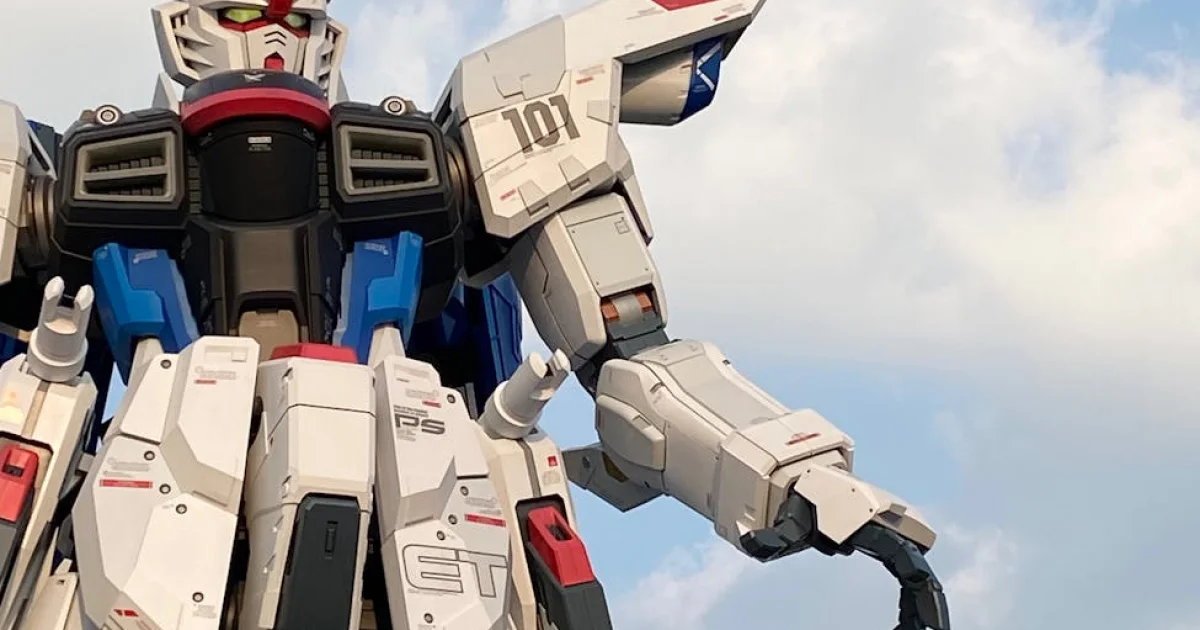
Nvidia’s GTC 2023: A Watershed Moment for AI and Robotics
At the heart of the excitement lay two key announcements: NemoClaw and Robot Olaf. These ground-breaking projects represent the cutting edge of Nvidia’s efforts to revolutionize the fields of artificial intelligence (AI) and robotics. With the $1 trillion bet hanging in the balance, Nvidia’s commitment to the future of computing and AI has far-reaching implications for industries and individuals alike.
The Rise of NemoClaw: A New Era in AI Computing
Let’s dive into the world of NemoClaw, a groundbreaking technology that has left many developers and researchers in awe. As a rapidly evolving field, AI computing has given rise to an array of innovative tools and frameworks. However, NemoClaw stands out from the crowd, boasting unparalleled capabilities in processing complex data and predicting outcomes.
Imagine a developer, say Alex, who attended GTC and is now considering integrating NemoClaw into their project. As Alex delves deeper into the technology, they realize the profound impact NemoClaw could have on their work. No longer limited by the constraints of traditional computing methods, Alex can now tap into the full potential of AI-driven computing, revolutionizing their approach to solving complex problems.
But what exactly makes NemoClaw so revolutionary? At its core, NemoClaw’s success lies in its ability to bridge the gap between traditional computing architectures and the emerging world of AI-driven processors. This fusion of technologies enables NemoClaw to tackle complex problems with unprecedented speed and accuracy, pushing the boundaries of what is thought possible in AI computing.
Comparing NemoClaw to Other Existing Technologies
As the AI computing landscape continues to evolve, it’s natural to wonder how NemoClaw compares to other existing technologies in the field. When considering the likes of TensorFlow and PyTorch, two of the most popular AI frameworks, NemoClaw stands out for its unparalleled processing capabilities and predictive accuracy.
While TensorFlow and PyTorch excel in certain areas, such as deep learning and neural network development, NemoClaw’s unique architecture allows it to tackle a broader range of AI-driven tasks with ease. This versatility makes NemoClaw an attractive option for developers and researchers seeking to push the boundaries of AI computing.
Robot Olaf: A Beacon of Innovation in Robotics
Robot Olaf, another pivotal announcement from Nvidia, represents a significant leap forward in the field of robotics. This cutting-edge robot has captured the imagination of tech enthusiasts worldwide, showcasing the incredible potential of AI-driven robotics. As we explore the world of Robot Olaf, it becomes clear that Nvidia’s investment in this project is far from trivial.
Consider the potential applications of a robot like Olaf, capable of adapting to complex environments and learning from its experiences. Imagine a researcher, say Dr. Patel, who has been working on a project to develop robots that can assist in search and rescue operations. With Robot Olaf’s advanced capabilities, Dr. Patel can now envision a future where these robots can navigate treacherous terrain, providing critical support in emergency situations.
You may also enjoy reading: Top 9 Robot Vacuums of 2026: Shark ION vs Eufy RoboVac Showdown.
But what drives Nvidia’s commitment to projects like Robot Olaf? At the heart of this investment lies a deep understanding of the transformative potential of AI-driven robotics. By pushing the boundaries of what is thought possible, Nvidia is paving the way for a future where robots and humans can collaborate in unprecedented ways, unlocking new possibilities for industries and individuals alike.
Exploring the Potential Applications of a $1 Trillion Investment
As the $1 trillion bet hangs in the balance, it’s essential to consider the far-reaching implications of such an investment. This unprecedented commitment to AI and computing has the potential to revolutionize industries ranging from healthcare to finance, transportation, and beyond.
Imagine a world where AI-driven systems can diagnose diseases with unparalleled accuracy, or where robots like Olaf can assist in search and rescue operations. The possibilities are endless, and Nvidia’s investment in projects like NemoClaw and Robot Olaf is a testament to the company’s vision for the future of AI and robotics.
The Future of Large-Scale Computing Investments
As we look to the future, it becomes clear that Nvidia’s commitment to AI and computing is more than just a passing trend. With the $1 trillion bet on the line, the stakes are high, and the potential rewards are substantial. As the tech world continues to evolve, it’s essential to consider the long-term implications of such an investment.
One thing is certain: the future of AI and robotics will be shaped by the likes of Nvidia, pioneers in the field who are pushing the boundaries of what is thought possible. As we embark on this journey, it’s essential to stay informed about the latest developments and advancements in AI and robotics, keeping in mind the potential applications and implications of these technologies.