As the iPhone landscape continues to evolve, one pressing concern for many users is the eventual loss of iOS support for their devices. When Apple releases a new major iOS update, it often brings with it a range of exciting new features and improvements, but it also marks the end of the road for certain older iPhone models.
Understanding iOS Support Lifespan
Before we dive into the list of iPhone models that will lose iOS support, it’s essential to understand why this happens in the first place. Apple has a typical support period for each major iOS release, which usually lasts for about 5-6 years. This means that for every new iOS version, Apple will provide software updates and security patches for a certain number of years, before eventually discontinuing support for older devices.
There are several reasons why Apple stops supporting older iPhone models. One reason is that newer devices require more advanced hardware and software capabilities, which can be difficult to implement on older devices. Additionally, as new security threats emerge, Apple may need to make changes to the iOS code to protect users, which can be challenging to do for older devices.
1. iPhone 5s
Released in 2013, the iPhone 5s was a significant upgrade to the iPhone 5, with a faster A7 chip, improved camera, and fingerprint recognition. However, with the release of iOS 27, the iPhone 5s will no longer receive iOS updates. This means that users who own this device will be left vulnerable to security threats and will no longer be able to take advantage of new features and improvements.
For users who own an iPhone 5s, it’s essential to consider upgrading to a newer device that will continue to receive iOS updates. This will not only provide better security and performance but also ensure that users have access to the latest features and improvements.
2. iPhone 6
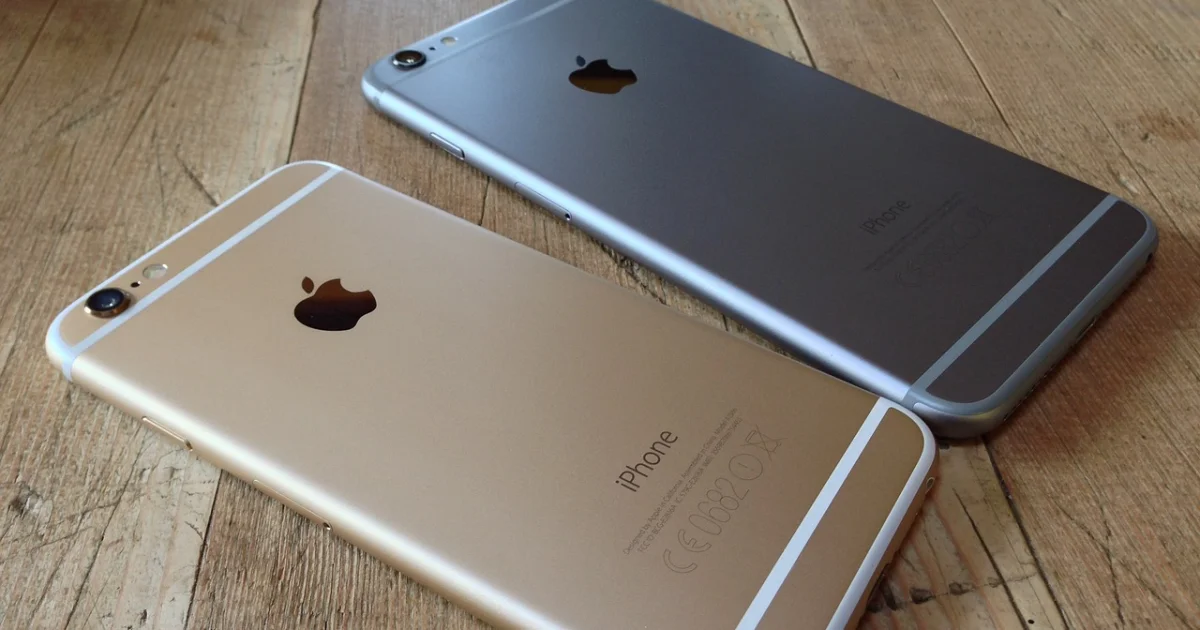
Released in 2014, the iPhone 6 was a significant upgrade to the iPhone 5s, with a larger 4.7-inch screen, improved camera, and faster A8 chip. However, with the release of iOS 27, the iPhone 6 will no longer receive iOS updates. This means that users who own this device will be left vulnerable to security threats and will no longer be able to take advantage of new features and improvements.
For users who own an iPhone 6, it’s essential to consider upgrading to a newer device that will continue to receive iOS updates. This will not only provide better security and performance but also ensure that users have access to the latest features and improvements.
3. iPhone 6 Plus
Released in 2014, the iPhone 6 Plus was a larger version of the iPhone 6, with a 5.5-inch screen and improved camera. However, with the release of iOS 27, the iPhone 6 Plus will no longer receive iOS updates. This means that users who own this device will be left vulnerable to security threats and will no longer be able to take advantage of new features and improvements.
For users who own an iPhone 6 Plus, it’s essential to consider upgrading to a newer device that will continue to receive iOS updates. This will not only provide better security and performance but also ensure that users have access to the latest features and improvements.
4. iPhone SE
Released in 2016, the iPhone SE was a compact version of the iPhone 6s, with a 4-inch screen and improved camera. However, with the release of iOS 27, the iPhone SE will no longer receive iOS updates. This means that users who own this device will be left vulnerable to security threats and will no longer be able to take advantage of new features and improvements.
For users who own an iPhone SE, it’s essential to consider upgrading to a newer device that will continue to receive iOS updates. This will not only provide better security and performance but also ensure that users have access to the latest features and improvements.
5. iPhone 7
Released in 2016, the iPhone 7 was a significant upgrade to the iPhone 6s, with a dual-camera setup, improved water resistance, and faster A10 chip. However, with the release of iOS 27, the iPhone 7 will no longer receive iOS updates. This means that users who own this device will be left vulnerable to security threats and will no longer be able to take advantage of new features and improvements.
For users who own an iPhone 7, it’s essential to consider upgrading to a newer device that will continue to receive iOS updates. This will not only provide better security and performance but also ensure that users have access to the latest features and improvements.
You may also enjoy reading: 11 Essential Markdown Tricks to Supercharge Your Astro Site.
6. iPhone 7 Plus
Released in 2016, the iPhone 7 Plus was a larger version of the iPhone 7, with a dual-camera setup, improved water resistance, and faster A10 chip. However, with the release of iOS 27, the iPhone 7 Plus will no longer receive iOS updates. This means that users who own this device will be left vulnerable to security threats and will no longer be able to take advantage of new features and improvements.
For users who own an iPhone 7 Plus, it’s essential to consider upgrading to a newer device that will continue to receive iOS updates. This will not only provide better security and performance but also ensure that users have access to the latest features and improvements.
7. iPhone X
Released in 2017, the iPhone X was a flagship device with a 5.8-inch OLED screen, improved camera, and faster A11 chip. However, with the release of iOS 27, the iPhone X will no longer receive iOS updates. This means that users who own this device will be left vulnerable to security threats and will no longer be able to take advantage of new features and improvements.
For users who own an iPhone X, it’s essential to consider upgrading to a newer device that will continue to receive iOS updates. This will not only provide better security and performance but also ensure that users have access to the latest features and improvements.
What to Do If Your iPhone Loses iOS Support
So, what can users do if their iPhone loses iOS support? The answer is simple: upgrade to a newer device that will continue to receive iOS updates. This will not only provide better security and performance but also ensure that users have access to the latest features and improvements.
However, for users who are unable to upgrade to a newer device, there are still some options available. One option is to use a third-party app that provides iOS updates for older devices. These apps can provide some level of security and performance improvements, but they may not be as comprehensive as the official iOS updates.
Another option is to consider using a device that will continue to receive iOS updates, such as an iPad or an Apple Watch. These devices may not have the same level of functionality as an iPhone, but they can still provide users with access to the latest features and improvements.
Conclusion
In conclusion, the iPhone models listed above will lose iOS support when iOS 27 drops. This means that users who own these devices will be left vulnerable to security threats and will no longer be able to take advantage of new features and improvements. However, for users who are unable to upgrade to a newer device, there are still some options available, such as using a third-party app or considering a device that will continue to receive iOS updates.