
The smartphone landscape is currently undergoing a seismic shift, and for those who follow Apple’s release cycles, the air is thick with anticipation. While most consumers are focused on the immediate hardware releases arriving this autumn, seasoned enthusiasts are looking much further down the road toward 2027. There has been intense speculation regarding a landmark device meant to celebrate two decades of the iPhone, but recent intelligence suggests the reality might be more transformative than a simple collector’s edition. Instead of a niche anniversary gadget, we are likely looking at a fundamental reimagining of the flagship experience through various iphone pro design leaks that point toward a total aesthetic overhaul.
The Evolution of the iPhone Hierarchy
To understand where we are going, we must first look at how the lineup has recently been rearranged. The traditional structure of the iPhone family has felt somewhat stagnant for several years, but Apple has recently begun experimenting with new tiers to capture different market segments. Last year, we saw a significant pivot when the iPhone Plus was phased out in favor of the iPhone Air. This move signaled a shift toward prioritizing thinness and portability over the sheer screen real estate that the Plus model offered.
Adding to this complexity is the anticipated arrival of the iPhone Ultra. This new tier is expected to sit at the absolute pinnacle of the hierarchy, catering to power users who demand professional-grade hardware capabilities. This creates a fascinating tension in the product roadmap. If the Ultra becomes the new gold standard for performance, what happens to the Pro models? This is where the 2027 rumors become so critical. If the Pro series undergoes a radical design transformation, it might reclaim its status as the ultimate expression of Apple’s industrial design prowess.
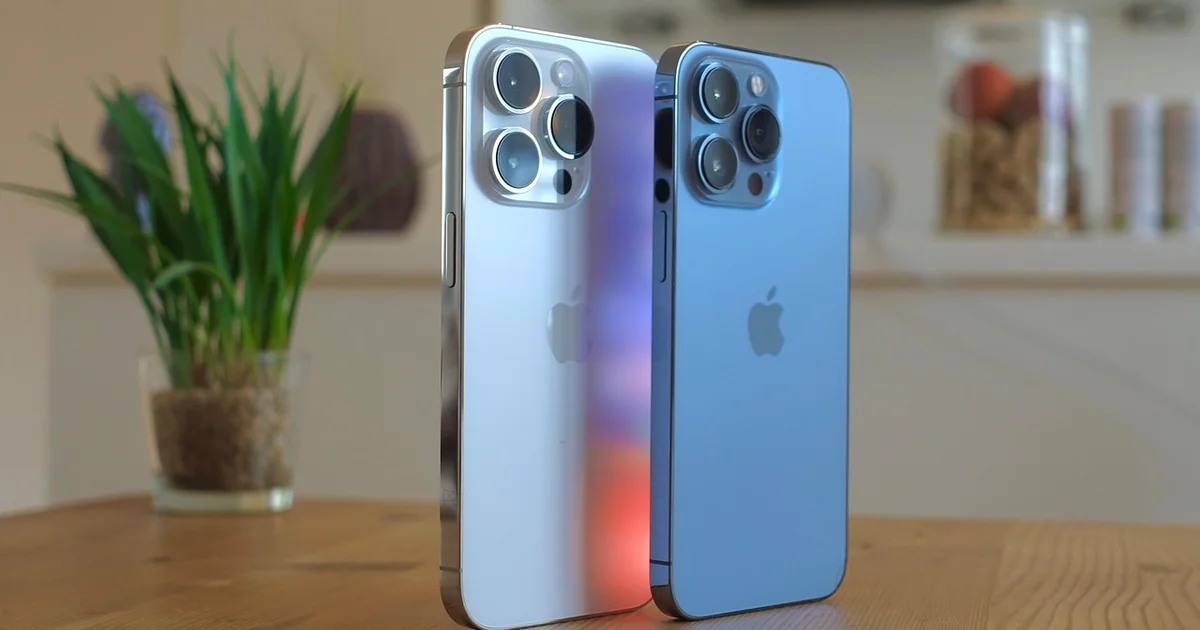
Imagine you are a tech enthusiast who has been holding onto an iPhone 13 Pro for several years. You might be wondering if you should upgrade to the latest iteration or hold out for the next big leap. The introduction of the Ultra model creates a dilemma: do you buy the most powerful tool available now, or do you wait for the most beautiful tool coming in a few years? This confusion is a natural byproduct of a brand in transition, as Apple moves away from incremental updates toward a more disruptive hardware strategy.
Decoding the 2027 Anniversary Rumors
For a long time, the prevailing narrative in the tech community was that 2027 would bring a standalone, special edition device to mark the 20th anniversary of the original iPhone. The idea of a “20th Anniversary iPhone” captured the imagination, leading many to believe it would be a unique product sitting alongside the standard lineup. However, recent iphone pro design leaks suggest a different strategy is at play.
According to insights from industry analysts like Jeff Pu, the focus for the 2027 launch isn’t on a single niche product, but on a massive innovation injection into the mainstream Pro and Pro Max models. This is a much more significant development for the average consumer. Rather than a limited-run novelty, the “anniversary” celebration will likely be defined by a new design language that will eventually trickle down to future generations. This approach allows Apple to maintain a cohesive ecosystem while still delivering the “wow factor” required for a milestone year.
This shift in strategy addresses a common problem in the smartphone industry: design fatigue. When every new model looks nearly identical to the last, consumer interest wanes. By focusing the 2027 innovations on the Pro line, Apple ensures that their most profitable and influential segment receives the most radical upgrades. This helps sustain the premium allure of the brand and provides a clear reason for long-term users to finally commit to an upgrade.
The Quad-Curved Display Revolution
One of the most striking elements mentioned in recent reports is the concept of a quad-curved display. In current smartphone design, we often see displays that curve slightly at the edges, or flat screens with prominent bezels. A quad-curved approach implies that the glass will wrap around all four sides of the device, creating a seamless transition from the front to the back.
What would this actually feel like in daily use? From a tactile perspective, a quad-curved display could make a large phone feel significantly more ergonomic. The sharp corners that often make modern devices feel “boxy” or difficult to grip would be replaced by smooth, continuous surfaces. This would likely result in a device that feels less like a slab of glass and more like a polished, organic object. However, this presents a significant engineering challenge: protecting a screen that is exposed on all edges from drops and scratches.
To implement this successfully, Apple would likely need to develop new types of ultra-durable glass or integrated edge protection. For the user, the benefit is a “bezel-free” aesthetic that makes the content on the screen appear to float in mid-air. This level of immersion is the holy grail of mobile display technology, and if the 2027 Pro models achieve it, it will set a new industry standard for visual depth.
The Quest for the Under-Display Camera
Perhaps the most transformative aspect of the upcoming design shifts is the move toward under-display camera technology. For years, the “Dynamic Island” and the “notch” have been the primary ways Apple has managed the physical necessity of the front-facing camera and Face ID sensors. While the Dynamic Island was a clever software-hardware hybrid solution, it still represents a physical interruption of the display.
The latest iphone pro design leaks suggest that Apple is working toward a future where these components are hidden beneath the pixels of the screen. This would allow for a truly uninterrupted, edge-to-edge viewing experience. If successful, the front of the iPhone would become a single, continuous sheet of glass with no visible cutouts or holes. This is not just an aesthetic upgrade; it is a fundamental change in how we interact with our screens.
You may also enjoy reading: Failed Attempt to Repeal Colorado Right to Repair Law.
However, this technology is notoriously difficult to master. The primary challenge is maintaining high image quality and sensor accuracy through a layer of display material. If the pixels are too dense, the camera struggles to “see” through them; if the layer is too thick, the image quality suffers. Apple’s goal is likely to find the perfect equilibrium where the camera is invisible during active use but performs with professional-grade clarity when needed. This requires sophisticated light-transmitting materials and advanced computational photography to compensate for any loss in light intake.
Strategic Shifts in Product Tiers
The transition from the iPhone Plus to the iPhone Air is a perfect case study in how Apple manages consumer expectations and market positioning. The Plus model was often criticized for being a “middle child”—too large for some, yet not powerful enough for others. By introducing the Air, Apple is leaning into the “lifestyle” aspect of technology. The Air is about elegance, thinness, and a specific kind of aesthetic appeal that appeals to a broader demographic of users who value form as much as function.
This creates a clear distinction in the lineup:
- The Standard Models: Focused on accessibility and everyday reliability.
- The Air Model: Focused on thinness, portability, and design-forward aesthetics.
- The Ultra Model: Focused on extreme performance and cutting-edge hardware.
- The Pro/Pro Max Models: Focused on the intersection of professional power and revolutionary design.
For the consumer, this hierarchy provides more clarity, but it also requires more careful decision-making. If you are a photographer or a videographer, the Ultra might be the logical choice. If you are a student or a professional who moves quickly between meetings, the Air might be your ideal companion. But if you want the most futuristic, design-centric experience possible, the 2027 Pro models will be the ultimate destination.
Practical Advice for the Long-Term Tech Consumer
Given the massive shifts expected in the coming years, many users are feeling a sense of “upgrade paralysis.” Should you buy the newest model today, or wait for the revolutionary design of 2027? While no one can predict the future with absolute certainty, we can apply some logical frameworks to help navigate these decisions.
If your current device is functioning well and meets your daily needs, the most financially prudent move is often to wait. The leap from current designs to a quad-curved, under-display camera design will likely be one of the largest generational jumps in the history of the product. Buying a “transitional” model in 2025 or 2026 might feel like a missed opportunity if you are someone who values being on the cutting edge of industrial design.
However, there is a practical middle ground. If you are currently using an aging device that is experiencing battery degradation or performance lag, do not wait three years for a design shift. Instead, look toward the upcoming Ultra or the next iteration of the Pro models. These will provide a significant boost in utility and longevity, ensuring that you are well-equipped for the years leading up to the 2027 milestone.
To manage your upgrade cycle effectively, consider these steps:
- Assess your current hardware: Is your battery health below 80%? Is your storage constantly full? If yes, an upgrade is a necessity, not a luxury.
- Define your priority: Do you care more about “specs” (RAM, processor speed) or “experience” (screen aesthetics, thinness)? This will dictate whether you look at the Ultra, the Air, or the Pro.
- Track the release cycles: Pay close attention to the late-year announcements. The shift from Plus to Air suggests Apple is willing to change the lineup structure quickly.







No Responses