As electric vehicles continue to revolutionize the automotive landscape, Hyundai’s latest offering, the Ioniq 3, is generating significant buzz. This fully electric compact hatchback is designed to be as aerodynamically efficient as possible, yet still offer a surprisingly spacious interior, a unique combination that Hyundai is calling Aero Hatch. But what sets the Ioniq 3 apart from other compact hatchbacks on the market, and is it the right choice for you?
Key Features and Specifications
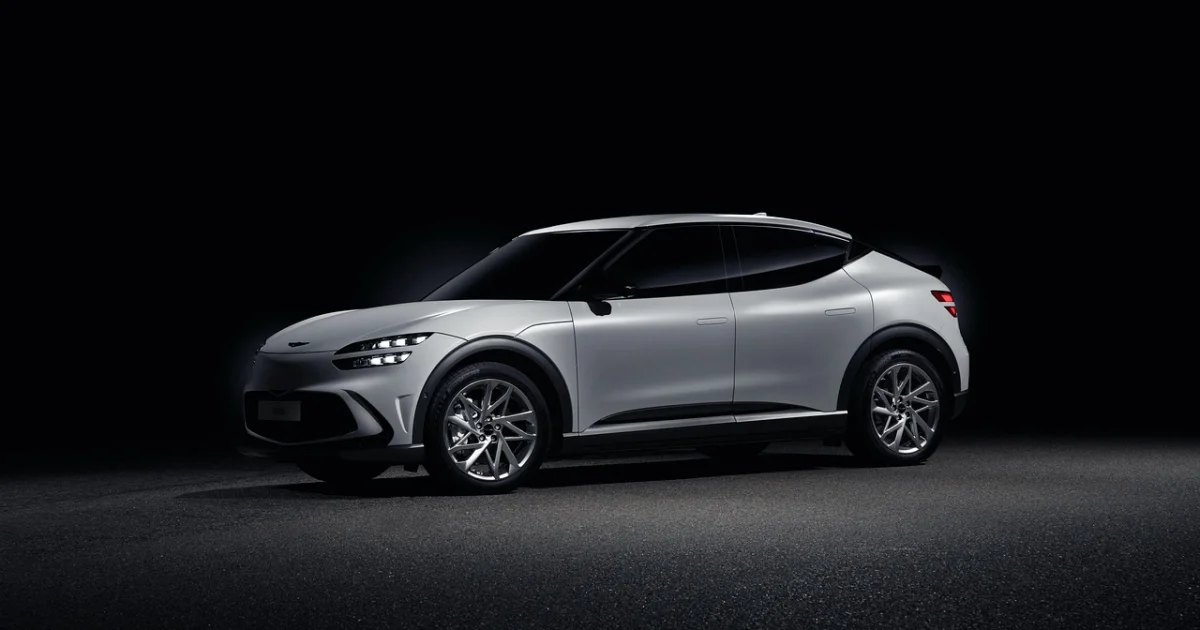
The Ioniq 3 is built on the group’s Electric-Global Modular Platform (E-GMP), which provides a 400-volt architecture that lowers costs compared to other Hyundai models. This platform also enables the Ioniq 3 to achieve a class-leading drag coefficient of 0.263, thanks to its sleek front end and roofline that maximizes interior headroom for rear passengers.
Range and Charging Capabilities
The Ioniq 3 has two battery options, offering a projected WLTP distance of 344 km (around 214 miles) for the Standard Range model, and a competitive 308-mile range for the Long Range version. While this may not match the charging capabilities of some other electric vehicles on the market, the Ioniq 3’s 400-volt architecture allows for fast charging, with the ability to top up from 10 to 80 percent in approximately 29 minutes using DC charging. AC charging capability is up to 22 kW, but this is not as swift as some other options, such as BYD’s new Blade 2.0 battery tech, which can charge a vehicle in just over nine minutes from 10 percent.
Charging Time Comparison
When it comes to charging time, the Ioniq 3 may fall short of some competitors. However, Hyundai is working on improving its fast-charging capabilities, with President and CEO José Muñoz stating that the company welcomes the challenge and sees it as an opportunity to do better. Muñoz emphasizes that Hyundai’s success will be built on a combination of technologies, not just one leading indicator. This approach is reflected in Hyundai’s commitment to offering multiple charging options, including DC and AC charging, to cater to different user needs.
Design and Aerodynamics
The Ioniq 3’s sleek front end and roofline are not just aesthetically pleasing; they also play a crucial role in its aerodynamic design. The car’s drag coefficient of 0.263 is a significant achievement, and it has a direct impact on its range. For example, a study by the University of California, Davis, found that a vehicle with a drag coefficient of 0.25 can achieve up to 5% more range than one with a coefficient of 0.3. This highlights the importance of aerodynamics in electric vehicles, where every percentage point counts.
Designing for Efficiency
So, how does Hyundai design its vehicles for efficiency? The company uses computer-aided design (CAD) software to optimize the aerodynamics of its vehicles. This involves creating a digital model of the car and using algorithms to identify areas where airflow can be improved. By tweaking the design, Hyundai can reduce drag and increase range. For the Ioniq 3, this process involved extensive testing and refinement, resulting in a vehicle that is both stylish and efficient.
Interior Space and Comfort
Despite its compact size, the Ioniq 3 offers a surprisingly spacious interior, thanks to its sleek roofline and clever design. The rear passengers will appreciate the ample headroom, while the front seats are designed to provide optimal support and comfort. The Ioniq 3’s interior is also equipped with a range of features, including a 10.25-inch touchscreen display, a heads-up display, and a premium sound system.
You may also enjoy reading: Anthropic Hits $1Trillion Implied Valuation, a New Record for Private AI Companies.
Interior Features and Options
The Ioniq 3 offers a range of interior features and options, including a panoramic sunroof, heated and ventilated seats, and a wireless charging pad. These features are designed to enhance the driving experience and provide comfort and convenience for both drivers and passengers. The Ioniq 3’s interior is also surprisingly spacious, with ample cargo room and a 60/40 split-folding rear seat.
Comparison to Other Compact Hatchbacks
When it comes to compact hatchbacks, the Ioniq 3 stands out from the crowd. Its impressive range, sleek design, and spacious interior make it a compelling choice for those looking for a reliable and efficient vehicle. However, it’s worth considering other options, such as the Volkswagen ID.3 and the Honda e. These vehicles offer similar features and capabilities, but with different design and pricing.
Choosing the Right Vehicle
So, how do you choose the right vehicle for your needs? Here are a few tips to consider:
Assess your daily driving habits and needs: Consider how far you drive each day and what features are essential for you.
Research different models: Look at the features, range, and pricing of various vehicles to find the best fit for you.
Test drive a few options: Get behind the wheel of different vehicles to see which one feels right for you.
Consider the total cost of ownership: Factor in the cost of fuel, maintenance, and other expenses when making your decision.
Hyundai’s Electric Vehicle Strategy
Hyundai is committed to a sustainable future, and its electric vehicle strategy is an integral part of that vision. The company aims to offer a wide range of electric models, including the Ioniq 3, to cater to different consumer needs and preferences. Hyundai’s strategy focuses on providing a seamless ownership experience, from the purchase process to maintenance and charging. The company is also investing heavily in infrastructure, including charging stations and battery production.
Electric Vehicle Infrastructure
As electric vehicles become increasingly popular, the need for charging infrastructure is growing. Hyundai is working to address this issue by investing in charging stations and battery production. The company’s goal is to create a network of charging stations that will provide convenient and reliable access to charging for electric vehicle owners. This will help to reduce range anxiety and make electric vehicles a more viable option for everyday driving.
Conclusion
The Hyundai Ioniq 3 is an impressive addition to the electric vehicle market, offering a unique combination of style, efficiency, and comfort. While it may not match some competitors in terms of charging time, its 400-volt architecture and multiple charging options make it a compelling choice for those looking for a reliable and efficient vehicle. With its sleek design, spacious interior, and commitment to sustainability, the Ioniq 3 is an excellent option for anyone considering a compact hatchback.