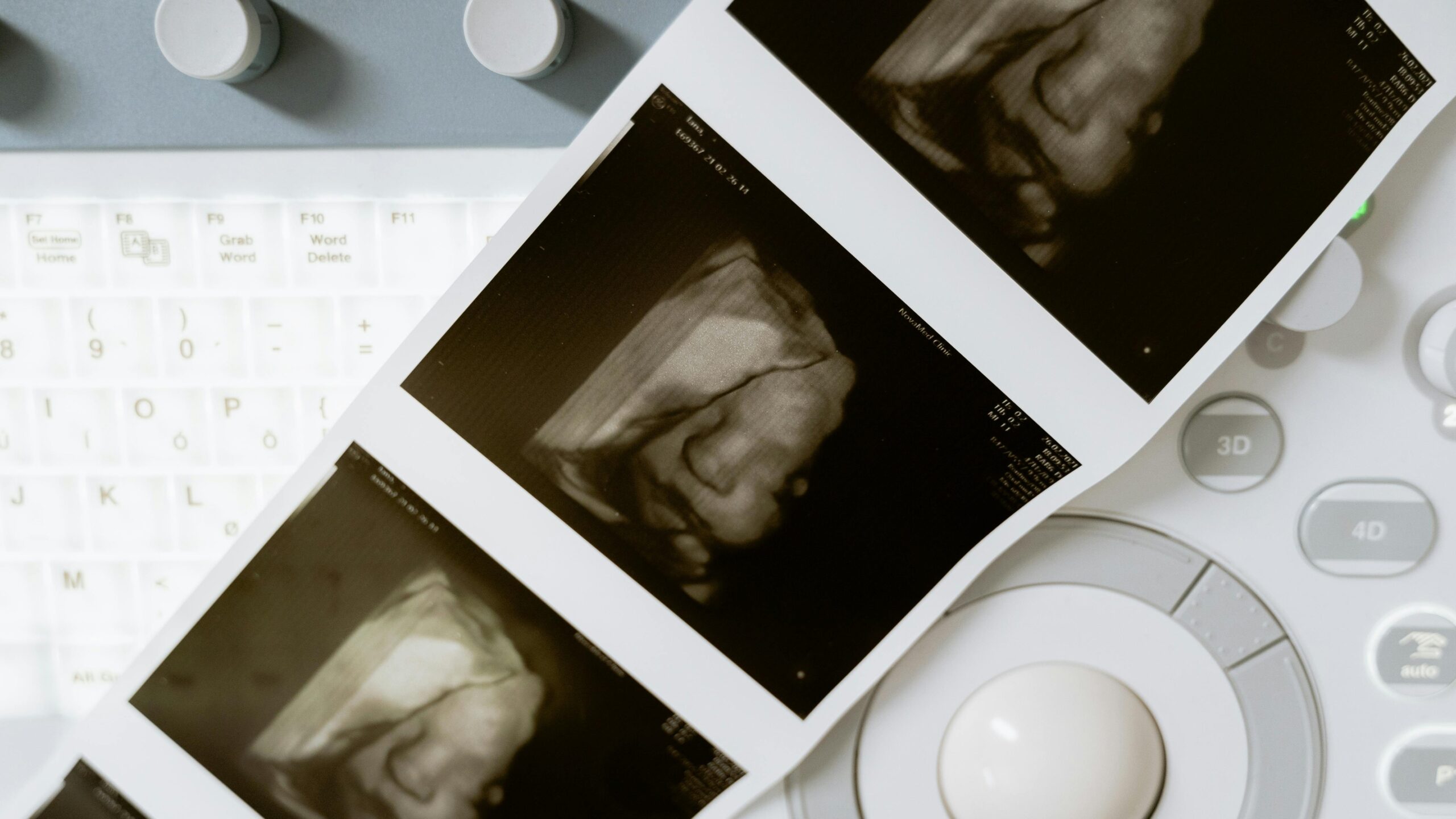
What Is an Ultrasound Tech and How Long Does It Take to Become One?
Ultrasound tech is a diagnostic medical sonographer who performs non-invasive imaging using sound waves to visualize anatomy and pathology. These skilled healthcare professionals use a transducer that emits sound waves into the body, capturing the echoes to create visual images and reports for physicians. This process is a painless, non-invasive procedure that uses high-frequency sound waves to produce visual images of organs, tissues, or blood flow. The most common educational route to becoming an ultrasound tech involves a 2-year associate degree from a CAAHEP-accredited program. After graduation, you must pass the SPI and a specialty exam within five years. So, how long to become an ultrasound tech? Expect 2-3 years total. While the terms “sonographer” and “ultrasound technician” are often used interchangeably, sonographers are distinguished by their completion of additional, specialized training and certifications. The demand for qualified sonographers is high, and they are compensated with an excellent starting salary, making it an attractive career path.
The most common educational route to becoming an ultrasound tech involves a 2-year associate degree from a program accredited by the Commission on Accreditation of Allied Health/Education Programs (CAAHEP). Alternatively, some individuals may pursue a 4-year bachelor’s degree or a 1-year certificate program. Following graduation, aspiring sonographers must pass the Sonography Principles & Instrumentation (SPI) examination administered by the American Registry for Diagnostic Medical Sonography (ARDMS), along with a specialty examination, typically within five years. Considering these components, the total time commitment from starting education to achieving certification usually ranges from two to three years.
Next, we examine the education pathways in detail.
What Are the Education Paths to Become an Ultrasound Tech?
There are several educational pathways to becoming an ultrasound tech, each with a different time commitment. The most common route is a 2-year associate degree, which provides a comprehensive foundation in sonography principles and practices. Bachelor’s degrees in sonography are also available and typically take four years to complete, offering a more in-depth theoretical and practical education. For those who already hold a degree in a related healthcare field, a 1-year certificate program can be a faster option to gain specialized sonography skills.
All reputable sonography programs should be accredited by the Commission on Accreditation of Allied Health/Education Programs (CAAHEP). There are approximately 150 CAAHEP-accredited sonography programs across the United States, offered by community colleges, universities, and some hospital-based training centers. Specialized sonography fields, such as vascular and cardiac sonography, may have dedicated programs, but not all schools offer these specific tracks.
| Program Type | Typical Length | Description |
|---|---|---|
| Associate Degree | 2 years | The most common path; covers essential sonography theory and clinical practice. |
| Bachelor’s Degree | 4 years | Offers advanced knowledge and research opportunities in sonography. |
| Certificate Program | 1 year | For individuals with prior relevant healthcare education, providing focused sonography training. |
After completing your education, the next step is certification.
How Does the ARDMS Certification Process Work?
To become a certified diagnostic medical sonographer, you must successfully navigate the examination process set forth by the American Registry for Diagnostic Medical Sonography (ARDMS). The primary credential is the Registered Diagnostic Medical Sonographer (RDMS). To earn this credential, you must pass the Sonography Principles & Instrumentation (SPI) examination, which covers the fundamental physics of ultrasound. In addition, you must pass a specialty examination relevant to your chosen field, such as abdominal, OB/GYN, or vascular sonography.
Both the SPI and specialty exams must be passed within five years of each other. Once you have passed the SPI exam, you can pursue multiple specialty credentials without needing to retake the SPI exam, provided you maintain your active status with ARDMS. The ARDMS administers a range of examinations and awards various credentials, including the RDMS, Registered Diagnostic Cardiac Sonographer (RDCS), and Registered Physicians Vascular Interpretation (RPVI). Each pathway requires dedicated study and preparation to ensure successful completion.
- Graduate from a CAAHEP-accredited sonography program.
- Register for and pass the ARDMS Sonography Principles & Instrumentation (SPI) examination.
- Register for and pass a specialty examination (e.g., Abdominal, OB/GYN, Vascular).
- Submit all required documentation to ARDMS for credential verification.
- Receive your certification from the ARDMS.
The timeline can vary depending on your chosen specialization.
How Do Specializations Affect the Timeline?
The timeline for becoming an ultrasound tech can be influenced by the pursuit of specialized credentials. While a general RDMS certification is often the first step, many sonographers choose to specialize in areas such as cardiac or vascular sonography to enhance their career opportunities and earning potential. Echocardiography, for instance, is a painless test that uses sound waves to create moving pictures of the heart, and Doppler ultrasound specifically visualizes blood flow. Pursuing these specializations typically involves passing additional examinations administered by the ARDMS and can extend the overall time to full certification and expertise in a particular field.
Let’s start with breast sonography.
Breast Sonography Certification Timeline
To achieve the Registered Diagnostic Medical Sonographer (RDMS) credential with a breast specialty, candidates must successfully pass both the Sonography Principles & Instrumentation (SPI) examination and the breast (BR) specialty examination. This process must be completed within a five-year window. The American Society of Breast Surgeons also offers a breast ultrasound certification program designed to elevate the quality of care for patients diagnosed with breast disease, which can be an additional credential to pursue. This specialization requires a deep understanding of breast anatomy, pathology, and advanced imaging techniques.
Next, neurosonology offers another path.
Neurosonology Certification Timeline
Neurosonography is a specialized field that employs specific beam shapes and frequencies via Transcranial Doppler (TCD) technology. It is important to note that as of 2015, the American Registry for Diagnostic Medical Sonography (ARDMS) discontinued the Neurosonology (NE) RDMS credential. Instead, they now offer a Pediatric Sonography (PS) specialty credential, which may encompass or be related to certain neurosonographic applications. Individuals interested in this area should consult the latest ARDMS guidelines to understand the current certification requirements and available specialty pathways.
Next, vascular sonography.
Vascular Sonography Certification Timeline
Becoming a Registered Vascular Technologist (RVT) involves meeting specific examination prerequisites and successfully passing both the physics and the vascular technology (VT) specialty examination. This process must be completed within five years. This credential signifies expertise in evaluating blood flow and detecting vascular abnormalities using Doppler ultrasound. The demand for vascular sonographers is consistently high due to the prevalence of vascular diseases.
Finally, we look at musculoskeletal sonography.
Musculoskeletal Sonography Certification Timeline
Musculoskeletal ultrasound is a crucial diagnostic tool that uses sound waves to visualize muscles, tendons, ligaments, and joints throughout the body. To become a certified musculoskeletal sonographer, individuals may pursue the Registered in Musculoskeletal Sonography (RMSK) certification. This examination is administered at Pearson test centers. It is important to note that the RMSK certification is primarily intended for physicians and advanced care providers. The musculoskeletal sonographer (MSKS) examination itself is a rigorous, four-hour test containing 200 questions, and scores are typically available about 60 days after the testing period concludes. Data shows that the demand for skilled musculoskeletal sonographers is growing.
How Long Does It Take to Find a Job After Certification?
After successfully obtaining your ARDMS certifications, the job market for ultrasound technologists is generally robust. Sonographers are in high demand across various healthcare settings, including hospitals, diagnostic imaging centers, and physician’s offices. Resources like UltrasoundJOBS by ARDMS are dedicated platforms for job seekers in the field, highlighting the extensive network available for employment searches. While some may find positions immediately after certification, the actual time to secure a job can depend on individual preferences, geographic location, and the specific specialization.
Let’s recap the total timeline.
What Is the Overall Timeline to Become an Ultrasound Tech?
The overall timeline to become a certified ultrasound tech typically spans two to three years. This estimate begins with completing a 2-year associate degree program, which is the most common educational path. Following graduation, you embark on the certification process, which involves passing the ARDMS Sonography Principles & Instrumentation (SPI) exam and at least one specialty exam. While you have five years to pass both exams after completing your education, most individuals aim to complete this within the first year or two post-graduation. Therefore, from the start of your education to achieving your initial certification, a reasonable timeframe is two to three years. This career path offers a rewarding and stable future for dedicated individuals.
FAQ
Q: How long does it take to complete an associate degree in sonography?
A: An associate degree in sonography typically takes two years of full-time study. Most programs are CAAHEP-accredited and include clinical rotations, preparing you to sit for the ARDMS certification exams.
Q: Can I become an ultrasound tech without a degree?
A: The most common path is a two-year associate degree from a CAAHEP-accredited program. While some certificate programs exist, they may not meet ARDMS prerequisites. A degree is strongly recommended for certification.
Q: How long does it take to become an ultrasound tech if I already have a bachelor’s degree in another field?
A: If you already have a bachelor’s degree, you may complete a one-year certificate program in sonography. However, you must ensure the program is CAAHEP-accredited to be eligible for ARDMS certification. Reports indicate that certificate programs are a popular option for career changers.
Q: How many years does it take to become an ultrasound tech total?
A: The total time from start to certification is typically 2 to 3 years. This includes a 2-year associate degree plus time to pass the SPI and specialty exams, which you must complete within five years.
Q: What is the fastest way to become an ultrasound tech?
A: The fastest route is a one-year certificate program if you already have a healthcare degree. Otherwise, a two-year associate degree is the standard path. After graduation, you can take the ARDMS exams to become certified.
Q: Do I need to specialize immediately after graduation?
A: No, you can start with a general RDMS credential. Many sonographers begin with an abdominal or OB/GYN specialty and add other specialties later without retaking the SPI exam, as long as you maintain active status.