The rapid expansion of a company can be a thrilling experience, but it can also bring significant challenges. One of the most critical issues that businesses face during hypergrowth is finding the right talent to lead their teams. As a company’s workforce expands, the need for effective management becomes increasingly crucial. A good manager can increase productivity by 20% and help reduce turnover by 30%. However, hiring a manager is a significant investment, and the cost of a bad hire can be crippling.
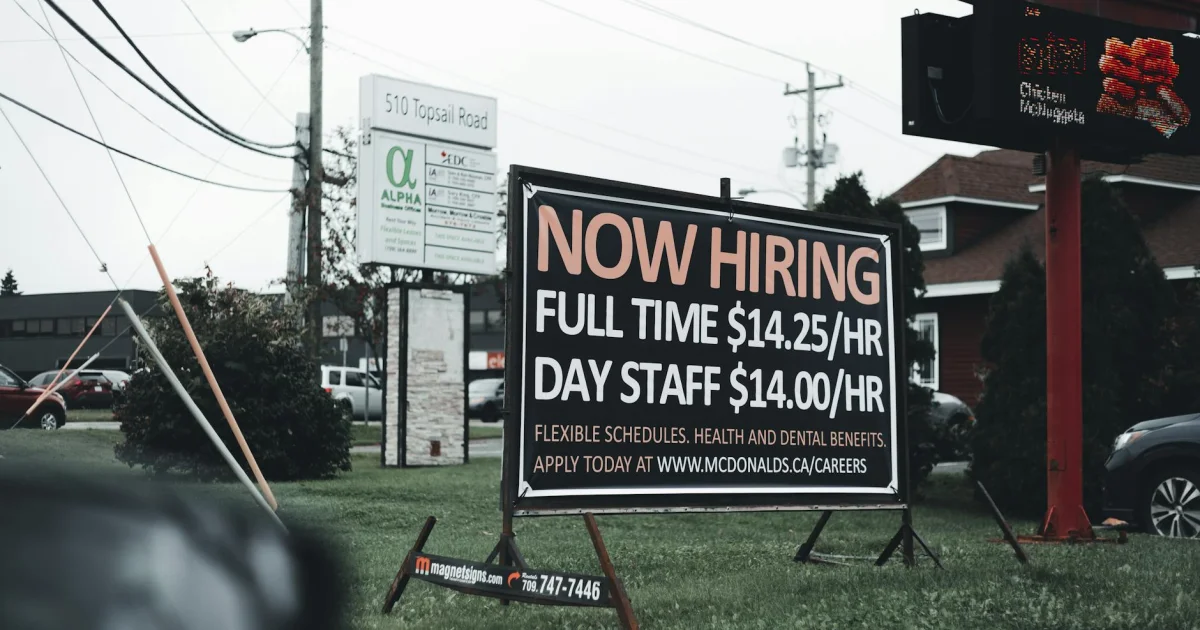
Understanding the Challenges of Hiring during Hypergrowth
Companies often struggle to find the right talent during hypergrowth due to the increased demand for skilled professionals. This can lead to a competitive job market, making it difficult for businesses to attract top candidates. Moreover, the rapid expansion of a company can result in a culture shift, making it challenging for new hires to adapt. A bad manager can bring down the entire team, causing morale to plummet and productivity to suffer.
The Importance of Aligning Company Culture with New Hires
When hiring during hypergrowth, it’s essential to consider the company culture and ensure that it aligns with the values and work style of the new hire. This can be challenging, especially if the company is expanding rapidly. Imagine a reader who is leading a startup experiencing rapid growth and struggling to find the right talent. They may find themselves in a situation where they need to balance the need for rapid growth with the risk of a bad hire.
One way to address this challenge is to create a clear vision and mission statement that outlines the company’s culture and values. This can help attract like-minded individuals who share the company’s vision. Moreover, it’s essential to involve the team in the hiring process to ensure that they feel invested in the new hire’s success. This can be achieved by conducting thorough interviews, involving the team in the decision-making process, and providing training and support to the new hire.
Common Mistakes to Avoid during Rapid Expansion
Companies often make mistakes when hiring during hypergrowth, leading to a bad hire and a negative impact on the team. One common mistake is rushing the hiring process, resulting in a hasty decision that may not be in the best interest of the company. Another mistake is not providing adequate training and support to the new hire, leading to a lack of understanding and a negative impact on the team.
Moreover, companies often fail to consider the long-term benefits of a well-placed hire. A good manager can help the company scale faster, increase productivity, and reduce turnover. However, a bad hire can bring down the entire team, causing morale to plummet and productivity to suffer.
The Impact of a Bad Hire on Company Culture
A bad hire can have a significant impact on company culture, causing morale to plummet and productivity to suffer. When a new hire does not align with the company’s values and work style, it can create tension and conflict within the team. This can lead to a decrease in morale, a lack of motivation, and a negative impact on the overall work environment.
Imagine a reader who has recently hired a manager who is not working out. They may be considering the costs of termination and wondering how they can avoid making similar mistakes in the future. One way to address this challenge is to establish a clear performance management process, setting clear goals and expectations for the new hire. This can help identify any issues early on and provide a framework for addressing them.
Moreover, it’s essential to maintain open communication with the team and the new hire, providing regular feedback and coaching to ensure that everyone is on the same page. This can help build trust and create a positive work environment, where everyone feels valued and supported.
Practical Strategies for Hiring during Hypergrowth
Hiring during hypergrowth requires a different approach than normal hiring processes. One practical strategy is to use a combination of traditional and digital recruitment methods. This can help you reach a wider pool of candidates and increase the chances of finding the right talent.
Another strategy is to establish a clear vision and mission statement that outlines the company’s culture and values. This can help attract like-minded individuals who share the company’s vision. Moreover, it’s essential to involve the team in the hiring process to ensure that they feel invested in the new hire’s success.
When hiring during hypergrowth, it’s also essential to prioritize candidate experience. This can be achieved by providing a seamless application process, conducting thorough interviews, and involving the team in the decision-making process. By prioritizing candidate experience, you can increase the chances of finding the right talent and reduce the risk of a bad hire.
You may also enjoy reading: John Ternus Unveils 7 Game-Changing Hardware Innovations Redefining Apple's Future.
The Benefits of Investing in Managerial Talent
Hiring a manager is a significant investment, but it can pay off in the long run. A good manager can increase productivity by 20% and help reduce turnover by 30%. Moreover, a good manager can help the company scale faster, increase revenue, and achieve its goals.
When investing in managerial talent, it’s essential to consider the long-term benefits. This can be achieved by providing ongoing training and development opportunities to the new hire. This can help them stay up-to-date with the latest industry trends and best practices, ensuring that they remain effective and productive managers.
The Importance of Leadership Development for Rapid Growth
Leadership development is critical for rapid growth, as it enables companies to scale faster and achieve their goals. One way to address this challenge is to provide ongoing training and development opportunities to existing managers. This can help them stay up-to-date with the latest industry trends and best practices, ensuring that they remain effective and productive leaders.
Moreover, it’s essential to involve the team in the leadership development process, providing opportunities for them to take on new challenges and develop their skills. This can help build a strong leadership pipeline, ensuring that the company is well-positioned for future growth and success.
Scaling Business Operations during Hypergrowth
Scaling business operations during hypergrowth requires a different approach than normal business operations. One way to address this challenge is to establish a clear vision and mission statement that outlines the company’s culture and values. This can help attract like-minded individuals who share the company’s vision.
Moreover, it’s essential to prioritize process improvement, streamlining existing processes and implementing new ones to increase efficiency and productivity. This can help reduce costs, improve customer satisfaction, and increase revenue.
Employee Retention Strategies during Hypergrowth
Employee retention is critical during hypergrowth, as it enables companies to maintain a stable and productive workforce. One way to address this challenge is to provide ongoing training and development opportunities to existing employees. This can help them stay up-to-date with the latest industry trends and best practices, ensuring that they remain engaged and motivated.
Moreover, it’s essential to prioritize employee well-being, providing a positive and supportive work environment that encourages collaboration and innovation. This can help reduce turnover, improve morale, and increase productivity.