As we venture into the realm of artificial intelligence, the infrastructure that supports it is becoming increasingly crucial. With the rise of cloud computing and the need for scalable data storage, a new player has emerged: Orbital Data Centers. But are these orbiting facilities an actual AI infrastructure solution, or just a futuristic concept?
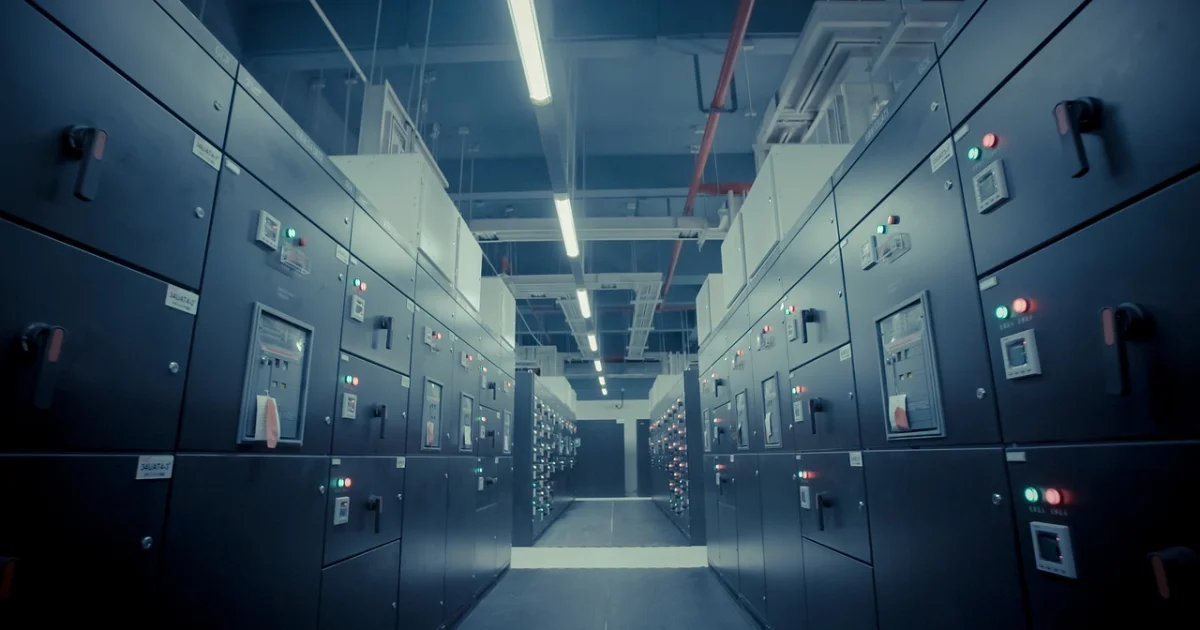
Understanding Orbital Data Centers
Orbital Data Centers are not a science fiction concept, but a real-life solution to the growing need for scalable and sustainable data storage. These satellite-based data centers are designed to provide high-performance computing and data storage capabilities, leveraging the unique advantages of space-based computing. By placing data centers in orbit, companies can reduce latency, increase accessibility, and minimize the environmental impact of traditional data centers.
Key Features of Orbital Data Centers
Orbital Data Centers are built around a few key features that set them apart from traditional data centers. Firstly, they operate in a microgravity environment, which allows for faster data processing and reduced equipment wear and tear. This enables them to handle high-performance computing tasks with greater efficiency and precision. Secondly, Orbital Data Centers can be designed to be modular, making it easier to scale up or down as needed. Finally, they can be powered by renewable energy sources, such as solar panels, reducing their carbon footprint.
Benefits of Orbital Data Centers for Real-World Applications
The benefits of Orbital Data Centers are numerous, making them an attractive solution for real-world applications. For instance, they can be used to support disaster recovery and business continuity, providing a secure and reliable data storage solution in the event of a disaster. They can also be used to support remote and underserved communities, providing access to high-speed internet and computing resources. Furthermore, Orbital Data Centers can be used to support scientific research and development, enabling scientists to process and analyze large amounts of data in real-time.
Challenges and Concerns
While Orbital Data Centers hold great promise, they also pose significant engineering challenges and concerns. One of the primary concerns is the high cost of launching and maintaining these facilities. The cost of launching a single satellite can be prohibitively expensive, making it challenging for companies to justify the investment. Additionally, there are concerns about the security and reliability of data stored in Orbital Data Centers, as well as the potential environmental impact of large-scale Orbital Data Centers.
Addressing the Cost Concerns
One of the primary concerns about Orbital Data Centers is the cost of launching and maintaining them. However, there are potential solutions to this problem. For instance, companies can consider sharing the cost of launching and maintaining Orbital Data Centers with multiple users, reducing the financial burden on individual companies. Additionally, advances in technology are making it possible to reduce the cost of launching satellites, making Orbital Data Centers more accessible to a wider range of companies.
Ensuring Security and Reliability
Ensuring the security and reliability of data stored in Orbital Data Centers is a top priority. Companies can implement robust encryption protocols and access controls to safeguard their data. Additionally, they can consider using redundant systems and fail-safes to ensure that data remains accessible even in the event of a failure. Furthermore, companies can work with experts in cybersecurity to develop custom solutions tailored to their specific needs.
Addressing Environmental Impact Concerns
Another concern about Orbital Data Centers is their potential environmental impact. However, companies can take steps to mitigate this impact. For instance, they can use renewable energy sources to power their Orbital Data Centers, reducing their carbon footprint. Additionally, they can design their facilities to be modular and scalable, reducing the need for new infrastructure and minimizing waste.
Conclusion
Orbital Data Centers are a real-life solution to the growing need for scalable and sustainable data storage. While they pose significant engineering challenges and concerns, they also offer numerous benefits for real-world applications. By understanding the key features, benefits, and challenges of Orbital Data Centers, companies can make informed decisions about whether these facilities are right for their needs. With the right solutions in place, Orbital Data Centers can help support the development of AI infrastructure, enabling companies to scale and innovate in the years to come.
You may also enjoy reading: "Indian Med Student's Shocking AI-Generated MAGA Hottie Empire Rakes in Thousands".
Implementing Orbital Data Centers: A Step-by-Step Guide
Step 1: Assess Your Needs
The first step in implementing Orbital Data Centers is to assess your needs. Consider your current data storage and computing requirements, as well as your future growth plans. Determine whether Orbital Data Centers can provide the scalability and sustainability you need to support your business.
Step 2: Evaluate the Cost
The cost of launching and maintaining Orbital Data Centers can be prohibitively expensive. Evaluate the cost of implementing Orbital Data Centers and consider sharing the cost with multiple users or exploring cost-reducing technologies.
Step 3: Develop a Security Plan
Ensuring the security and reliability of data stored in Orbital Data Centers is crucial. Develop a robust security plan that includes encryption protocols, access controls, and redundant systems and fail-safes.
Step 4: Mitigate Environmental Impact
Orbital Data Centers can have a significant environmental impact. Consider using renewable energy sources, designing modular facilities, and minimizing waste to reduce your carbon footprint.
Step 5: Partner with Experts
Implementing Orbital Data Centers requires expertise in multiple areas, including cybersecurity, engineering, and environmental sustainability. Partner with experts in these fields to ensure a successful implementation.
This article provides a comprehensive overview of Orbital Data Centers, including their benefits, challenges, and potential impact on the development of AI infrastructure. By understanding the key features, benefits, and challenges of Orbital Data Centers, companies can make informed decisions about whether these facilities are right for their needs. With the right solutions in place, Orbital Data Centers can help support the development of AI infrastructure, enabling companies to scale and innovate in the years to come.