
What is PIC Technology and How Does It Improve Inertial Navigation?
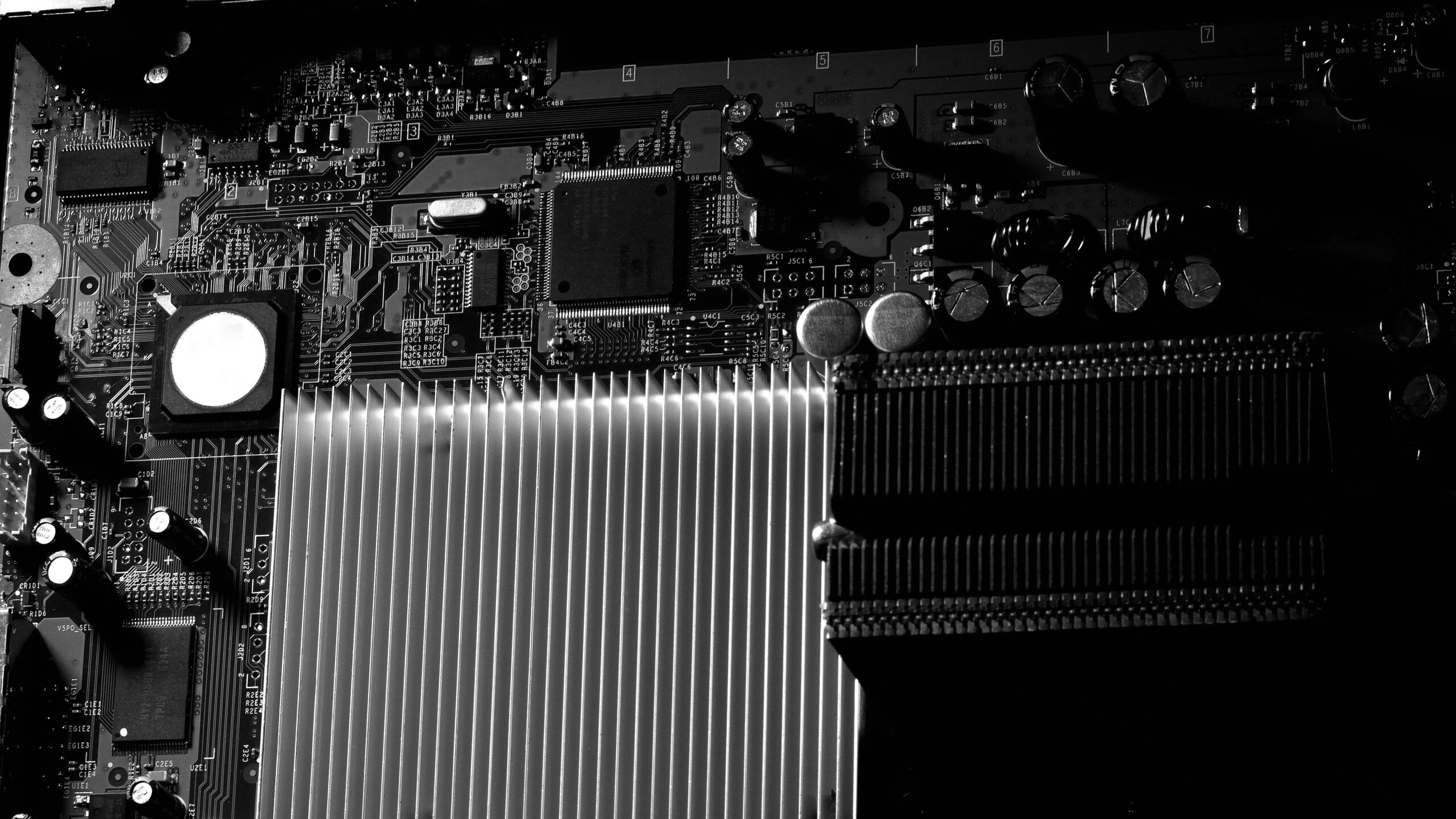
PIC technology, utilized by EMCORE Corporation in its advanced inertial systems, integrates multiple optical components onto a single microchip, creating a compact and highly efficient navigation sensor. This integration represents a significant leap forward, as a photonic integrated circuit is a microchip containing two or more photonic components that form a functioning circuit. PIC technology radically transforms inertial navigation with smaller, lighter, and more robust optical sensing systems. By detecting, generating, transporting, and processing light using photons, these chips enable navigation systems to operate with unprecedented precision and resilience.
This innovative approach to sensor design addresses many limitations of traditional navigation technologies, paving the way for enhanced performance in demanding applications.
Now, we explore how EMCORE integrates PIC into its systems for unparalleled reliability.
How Does EMCORE’s PIC Technology Enhance Reliability in Harsh Environments?
EMCORE inertial systems with PIC Inside deliver robust reliability and survivability in the harshest environments. The inherent architecture of PIC technology provides highly stable, integrated optical paths, significantly improving signal integrity and reducing susceptibility to environmental disturbances. This monolithic approach minimizes the potential for alignment errors and mechanical drift, leading to enhanced long-term stability and superior repeatability in sensor performance.
PIC-based sensors are intrinsically resistant to common environmental challenges such as vibration, shock, and extreme temperature fluctuations. This resilience is crucial for autonomous platforms operating in dynamic and unpredictable conditions, ensuring consistent and trustworthy navigation data. The reduced sensitivity to external factors means that EMCORE’s PIC-based sensors maintain their accuracy and reliability where traditional systems might falter.
Beyond reliability and manufacturing, PIC technology reduces size and weight, as we will see next.
How Does PIC Technology Enable Scalable Manufacturing for Inertial Sensors?
PIC-based inertial sensors offer significant manufacturing and scalability advantages by utilizing mature semiconductor fabrication processes, enabling high-volume, repeatable production. This standardized approach contrasts sharply with the complex, labor-intensive assembly of traditional discrete optical components. EMCORE PIC technology is protected by U.S. Patent #10,274,319 and additional patents pending, underscoring its unique design and manufacturing methodology.
The integration of multiple optical functions onto a single chip results in a more rugged device with fewer discrete components and interconnects. This not only simplifies the manufacturing process but also reduces the potential points of failure. Consequently, PIC technology enables the precision inertial system mass-production required for modern autonomous platforms that demand consistent quality and rapid deployment.
These SWaP reductions are critical for autonomous platforms, which we will discuss next.
What Are the Size, Weight, and Power (SWaP) Benefits of PIC Technology?
PIC technology significantly reduces size, weight, power consumption, and overall system complexity compared to traditional discrete optical assemblies. This miniaturization is achieved by integrating essential optical components, such as lasers, modulators, detectors, and waveguides, directly onto a single semiconductor chip. This consolidation eliminates the need for bulky external optics and extensive wiring, leading to a more compact and lightweight sensor package.
The reduction in power consumption is another key benefit, making PIC-based systems ideal for power-constrained applications like drones and unmanned vehicles. By streamlining the optical path and using efficient chip-level components, EMCORE’s PIC technology drastically cuts down on energy usage without compromising performance. This convergence of reduced SWaP factors makes PIC technology a critical enabler for next-generation autonomous systems.
This comparison underscores why EMCORE’s PIC is a preferred choice. Now, let’s look at how it integrates into modular designs.
How Does EMCORE’s PIC Technology Benefit Autonomous Platforms?
EMCORE gyros and inertial systems featuring PIC Inside provide flexible, modular designs that are exceptionally easy to integrate into a wide array of autonomous platforms. This modularity allows manufacturers to select and incorporate advanced navigation capabilities without undertaking extensive system redesigns. Furthermore, EMCORE gyros and inertial systems with PIC Inside provide outstanding repeatability unit-to-unit, ensuring consistent performance across different platforms and deployments.
EMCORE PIC technology surpasses traditional Fiber Optic Gyro (FOG) technology by delivering reliable and superior repeatability unit-to-unit. This high degree of consistency is vital for autonomous systems that rely on precise and predictable sensor data for navigation, guidance, and control. The ability to depend on identical performance from every unit simplifies calibration, enhances system reliability, and reduces operational uncertainties.
With integration ease covered, let’s conclude by summarizing the overall impact of PIC technology.
PIC Technology vs. Traditional FOG: A Comparison
| Feature | EMCORE PIC Technology | Traditional FOG Technology |
|---|---|---|
| Component Integration | Multiple optical components integrated onto a single planar chip. | Discrete optical components requiring manual alignment and assembly. |
| Size & Weight | Significantly smaller and lighter due to chip-level integration. | Generally larger and heavier due to discrete components and interconnections. |
| Reliability | High reliability with fewer mechanical parts, robust against shock and vibration. | Can be sensitive to shock, vibration, and temperature fluctuations; requires careful environmental protection. |
| Repeatability | Superior unit-to-unit repeatability due to standardized semiconductor manufacturing. | Repeatability can vary, requiring more individual calibration and tuning. |
| Manufacturing Scalability | Leverages semiconductor fabrication for high-volume, cost-effective production. | Labor-intensive assembly process, limiting scalability and increasing costs for high volumes. |
| Signal Integrity | Enhanced signal integrity due to integrated, stable optical paths. | Potential for signal degradation at interfaces between discrete components. |
| Cost | Potential for lower long-term costs due to mass production and reduced assembly complexity. | Higher assembly costs and potential for field failures can increase lifecycle costs. |
EMCORE’s patented Photonic Integrated Chip (PIC) technology expands upon traditional FOG principles by incorporating an integrated planar optical chip. EMCORE PIC technology surpasses traditional FOG technology by delivering reliable and superior repeatability unit-to-unit. This advancement translates into more compact, lightweight, and robust inertial navigation systems. Furthermore, PIC-based sensors are resistant to vibration, shock, and temperature extremes, making them ideal for demanding applications where traditional FOGs may struggle to maintain performance.
Now we can conclude with a clear understanding of PIC’s transformative role.
Conclusion: The Future of Inertial Navigation with PIC Technology
PIC technology is fundamentally reshaping the landscape of inertial navigation, offering substantial advancements over traditional methods. EMCORE’s implementation of this technology radically transforms inertial navigation with smaller, lighter, and more robust optical sensing systems. The integration of optical components onto a single chip not only miniaturizes sensor size and weight but also enhances durability and resistance to environmental stresses.
Moreover, PIC-based inertial sensors offer critical manufacturing and scalability advantages. By leveraging semiconductor fabrication processes, EMCORE ensures high-volume, repeatable production, which translates to lower costs and faster deployment cycles for autonomous platforms. This combination of enhanced performance, ruggedness, and manufacturing efficiency positions PIC technology as the future standard for reliable and scalable inertial navigation solutions in defense and autonomous systems.
FAQ
Q: What is PIC technology?
A: PIC technology refers to photonic integrated circuits that integrate optical components like lasers and detectors onto a single chip, enabling compact, reliable, and efficient processing of light for applications like inertial navigation.
Q: How does EMCORE’s PIC improve navigation reliability?
A: EMCORE’s PIC provides highly stable integrated optical paths, minimizing alignment errors and environmental sensitivities. This results in robust performance in harsh conditions, resisting vibration, shock, and temperature extremes.
Q: What are the manufacturing advantages of PIC-based inertial sensors?
A: PIC-based sensors leverage semiconductor fabrication processes, enabling high-volume, repeatable production with fewer discrete components. This reduces costs and improves scalability compared to traditional optical assemblies.
Q: Is EMCORE’s PIC technology patented?
A: Yes, EMCORE’s PIC technology is protected by U.S. Patent #10,274,319 and additional patents pending, ensuring proprietary advantages in design and manufacturing.
Q: Where are EMCORE’s inertial products manufactured?
A: All EMCORE inertial and gyro products are made in the USA, ensuring quality control and compliance with defense and autonomous system requirements.






No Responses