Imagine a future where electric vehicles (EVs) are not only a sustainable alternative to traditional gas-guzzlers, but also offer unparalleled performance and efficiency. This future is rapidly becoming a reality, thanks in part to the innovative work being done by CATL, a leading battery manufacturer. In 2026, CATL plans to revolutionize the EV industry by introducing sodium-ion batteries, a game-changing technology that promises to overcome some of the biggest challenges facing EV adoption today.
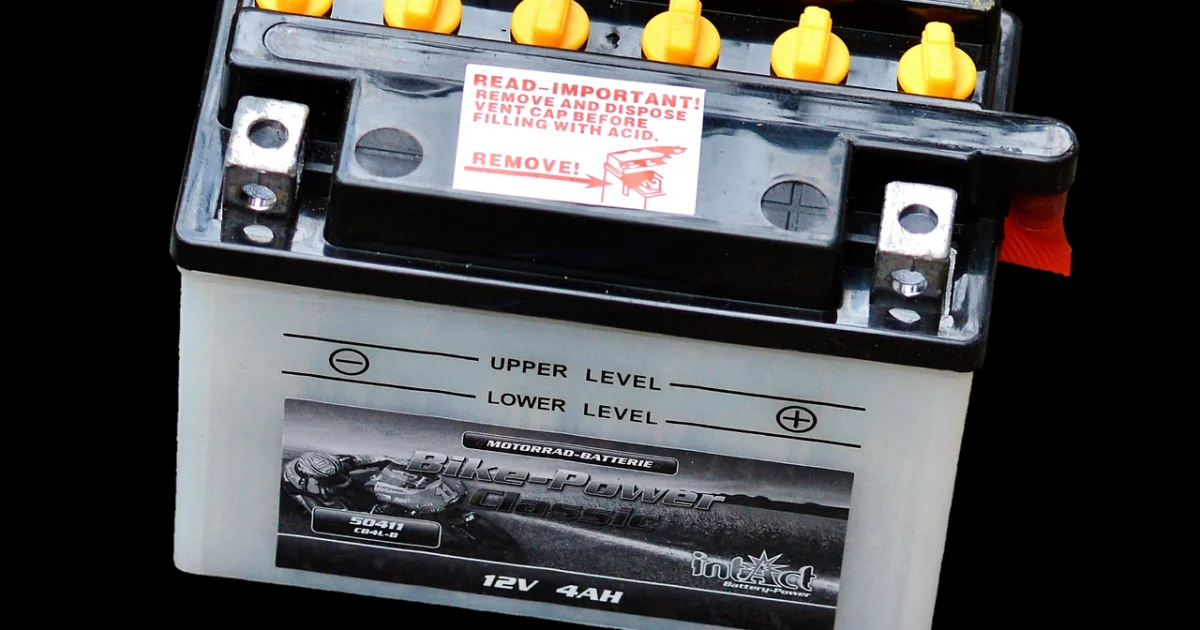
What Are Sodium-Ion Batteries?
Sodium-ion batteries are a type of rechargeable battery that uses sodium ions to store energy, much like lithium-ion batteries use lithium ions. However, sodium-ion batteries have several key advantages that make them an attractive alternative to traditional lithium-ion batteries. One of the most significant benefits is their ability to operate effectively in extreme temperatures, making them ideal for use in EVs that will be driven in cold climates.
The Benefits of Sodium-Ion Batteries
So, what exactly makes sodium-ion batteries so exciting? Let’s take a closer look at the key benefits of this technology.
1. Improved Performance in Extreme Temperatures
One of the biggest challenges facing EV adoption is the impact of extreme temperatures on battery performance. Traditional lithium-ion batteries can suffer from reduced capacity and power output in cold temperatures, making them less efficient and less effective. Sodium-ion batteries, on the other hand, have been shown to perform just as well in cold temperatures as they do in warm temperatures.
For example, imagine a scenario where an EV owner lives in a region with extremely cold winters. With traditional lithium-ion batteries, they may find that their car’s range and performance suffer significantly during these months. However, with sodium-ion batteries, they can enjoy reliable and efficient performance even in the coldest temperatures.
2. Increased Energy Density
Another key benefit of sodium-ion batteries is their increased energy density. This means that they can store more energy relative to their size and weight, making them more efficient and effective. For EV owners, this means longer ranges and faster charging times, making them more convenient and appealing.
To put this in perspective, let’s consider a scenario where an EV owner is driving in a region with limited charging infrastructure. With traditional lithium-ion batteries, they may struggle to find charging stations that can support their car’s needs. However, with sodium-ion batteries, they can enjoy longer ranges and faster charging times, making it easier to drive in areas with limited charging infrastructure.
3. Reduced Production Costs
One of the biggest challenges facing the EV industry is the high cost of production. Traditional lithium-ion batteries are expensive to manufacture, which can make EVs more expensive for consumers. Sodium-ion batteries, on the other hand, have been shown to be significantly cheaper to produce, making them a more attractive option for manufacturers.
For example, imagine a scenario where a manufacturer is considering whether to produce EVs with traditional lithium-ion batteries or sodium-ion batteries. With sodium-ion batteries, they can enjoy significant cost savings, which can be passed on to consumers in the form of lower prices.
4. Increased Sustainability
Finally, sodium-ion batteries offer a more sustainable alternative to traditional lithium-ion batteries. Sodium is abundant in the earth’s crust, making it a more readily available resource. This reduces the need for mining and processing, which can have negative environmental impacts.
For example, imagine a scenario where an EV owner is concerned about the environmental impact of their transportation choices. With sodium-ion batteries, they can enjoy a more sustainable option that reduces their carbon footprint and supports a cleaner environment.
5. Improved Safety
Another key benefit of sodium-ion batteries is their improved safety features. Sodium-ion batteries have been shown to be less prone to overheating and thermal runaway, making them a safer option for consumers.
You may also enjoy reading: 13 Legit Ways to Score 15% Off Your Next Adidas Purchase with the Latest Promo Code.
For example, imagine a scenario where an EV owner is driving in a hot climate and their car’s battery begins to overheat. With traditional lithium-ion batteries, this can lead to a range of safety issues, including fires and explosions. However, with sodium-ion batteries, the risk of overheating and thermal runaway is significantly reduced, making them a safer option for consumers.
6. Enhanced Durability
Finally, sodium-ion batteries offer enhanced durability and lifespan compared to traditional lithium-ion batteries. This means that EV owners can enjoy longer battery lifespans and fewer maintenance costs over time.
For example, imagine a scenario where an EV owner is considering purchasing an EV with a traditional lithium-ion battery. While they may enjoy the benefits of EV ownership, they may also be limited by the battery’s lifespan and maintenance costs. However, with sodium-ion batteries, they can enjoy longer battery lifespans and fewer maintenance costs, making them a more attractive option for consumers.
7. Competitive Edge in the EV Battery Market
Finally, sodium-ion batteries offer a competitive edge in the EV battery market. By offering a more efficient, reliable, and sustainable option, CATL can differentiate itself from competitors and establish a strong reputation in the industry.
For example, imagine a scenario where an EV manufacturer is considering which battery supplier to partner with. With sodium-ion batteries, CATL can offer a more competitive option that meets the needs of consumers and supports the manufacturer’s business goals.
Implementation and Manufacturing Breakthroughs
So, how is CATL implementing its sodium-ion battery technology? According to reports, the company has achieved GWh-level industrialization, paving the way for full-scale mass production by the end of 2026. This is a significant breakthrough, given the complexities and challenges associated with large-scale manufacturing.
One of the key factors contributing to CATL’s success is its focus on overcoming four key barriers: extreme water control, gas generation in hard carbon, aluminum foil adhesion, and self-forming anode systems. By addressing these challenges, CATL has been able to develop a sodium-ion battery that meets the needs of consumers and supports the company’s business goals.