The Amazon drone delivery system has been touted as a revolutionary solution for last-mile delivery, promising to bring packages to customers’ doorsteps with unprecedented speed and efficiency. However, recent incidents have raised concerns about the safety and reliability of these drones, particularly when it comes to the 10-foot drop that packages experience when they’re released from the drone’s cargo compartment.
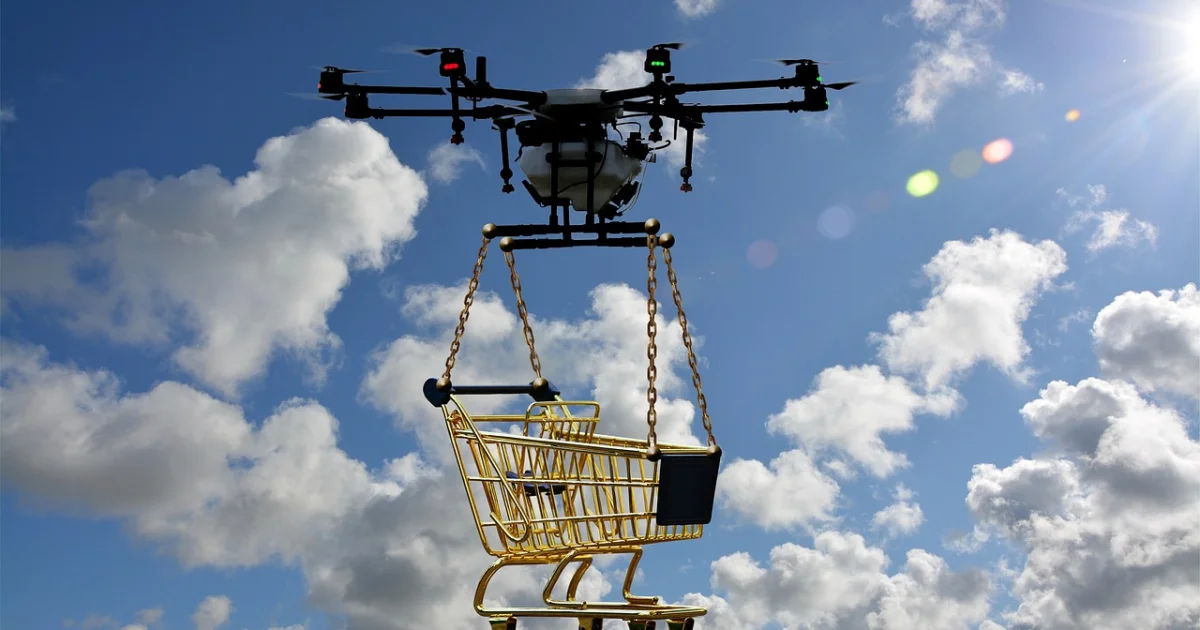
The Challenges of Amazon Drone Delivery
One of the primary challenges facing Amazon’s drone delivery system is the issue of obstacle detection. As Chad Butler, a former head of information security at Amazon’s commercial drone program, pointed out in a recent video, the onboard “detect and avoid” systems used by Amazon’s drones are not foolproof. In fact, Butler argues that these systems are vulnerable to hacking, particularly when it comes to spoofing GPS signals.
The Limitations of Onboard Obstacle Detection
Amazon’s onboard obstacle detection systems rely on a combination of camera and radar technology to navigate the drone around obstacles. However, this system is not perfect, and there have been several incidents where drones have crashed into objects or dropped packages on the ground. One such incident was reported by YouTuber Tamara Hancock, who ordered a plastic bottle of blue raspberry syrup from Amazon and watched as the drone dropped it onto her driveway, smashing the bottle in the process.
The Risks of Hacking
As Butler pointed out, the onboard obstacle detection systems used by Amazon’s drones are vulnerable to hacking, particularly when it comes to spoofing GPS signals. This means that malicious actors could potentially take control of the drone and cause it to crash or drop packages on the ground. This is a serious concern, particularly when it comes to high-value or sensitive packages.
The Future of Urban Logistics
The rise of drone delivery has significant implications for the future of urban logistics. As cities become increasingly congested, the need for efficient and reliable delivery systems becomes more pressing. However, the challenges facing Amazon’s drone delivery system highlight the need for more robust and reliable technology. In the short term, this may mean relying on human delivery workers to navigate crowded city streets, but in the long term, it’s likely that we’ll see the development of more advanced and reliable drone technology.
Ensuring Safe Delivery
So, what can customers do to ensure that their packages are delivered safely and intact when using Amazon drone delivery? One option is to choose a delivery location that is more secure, such as a porch or a designated delivery area. However, this may not always be possible, particularly in urban areas where delivery locations may be limited. In these cases, customers may need to rely on the onboard obstacle detection systems used by Amazon’s drones to ensure safe delivery.
The Role of Human Delivery Workers
As the use of drone delivery becomes more widespread, the role of human delivery workers will likely change. While drones may be able to navigate crowded city streets, human workers will still be needed to handle packages and navigate complex delivery routes. This raises interesting questions about the future of work and the impact of automation on the delivery industry.
The Environmental Impact of Drone Delivery
The rise of drone delivery has significant environmental implications, particularly when it comes to noise pollution and carbon emissions. While drones may be able to navigate crowded city streets, they also produce a significant amount of noise and emissions, which can have negative impacts on local communities. In the short term, this may mean relying on human delivery workers to navigate crowded city streets, but in the long term, it’s likely that we’ll see the development of more sustainable and environmentally friendly drone technology.
You may also enjoy reading: 10 Ways Google's Innovative TPUs Are Stealing the Spotlight from Nvidia.
Regulatory Challenges
The use of drones for delivery raises a number of regulatory challenges, particularly when it comes to issues of safety and security. As Chad Butler pointed out, the onboard obstacle detection systems used by Amazon’s drones are vulnerable to hacking, which raises concerns about the safety and security of drone delivery. In response to these concerns, regulatory bodies will need to develop new rules and guidelines for the use of drones in delivery.
Alternatives to Drone Delivery
For customers who are concerned about the safety and reliability of Amazon’s drone delivery system, there are alternatives available. For example, customers can choose to have their packages delivered by human workers, who can navigate complex delivery routes and handle packages with care. Alternatively, customers can choose to use a different delivery service, such as UPS or FedEx, which may offer more reliable and secure delivery options.
The Benefits of Drone Delivery
Despite the challenges facing Amazon’s drone delivery system, there are also a number of benefits to using drones for delivery. For example, drones can navigate crowded city streets with ease, reducing congestion and emissions. Additionally, drones can provide real-time tracking and updates to customers, allowing them to track the status of their packages and receive updates on delivery times. However, these benefits will only be realized if the drone delivery system is able to overcome the challenges facing it, including issues of obstacle detection and hacking.
The Future of Amazon Drone Delivery
So, what does the future hold for Amazon’s drone delivery system? While the challenges facing the system are significant, Amazon is committed to developing more robust and reliable technology. In the short term, this may mean relying on human delivery workers to navigate crowded city streets, but in the long term, it’s likely that we’ll see the development of more advanced and reliable drone technology. However, until that technology is developed, customers will need to be aware of the risks and challenges facing drone delivery and take steps to ensure that their packages are delivered safely and intact.
Conclusion
In conclusion, the Amazon drone delivery system has significant implications for the future of urban logistics. While the challenges facing the system are significant, there are also a number of benefits to using drones for delivery. However, until the challenges facing the system are overcome, customers will need to be aware of the risks and take steps to ensure that their packages are delivered safely and intact. This may involve choosing a different delivery service, using a delivery location that is more secure, or relying on human delivery workers to navigate complex delivery routes.