Setting the Scene: A President and His Portfolio
Imagine looking over a financial disclosure form and spotting a seven-figure bet placed on a conveyor belt sushi chain. That is exactly what happened when President Donald Trump’s latest financial paperwork was made public. The purchase of Kura Sushi stock, valued between $1 million and $5 million, immediately triggered a wave of online speculation. It raised serious questions about presidential ethics, market behavior, and whether a simple name mix-up was at play.
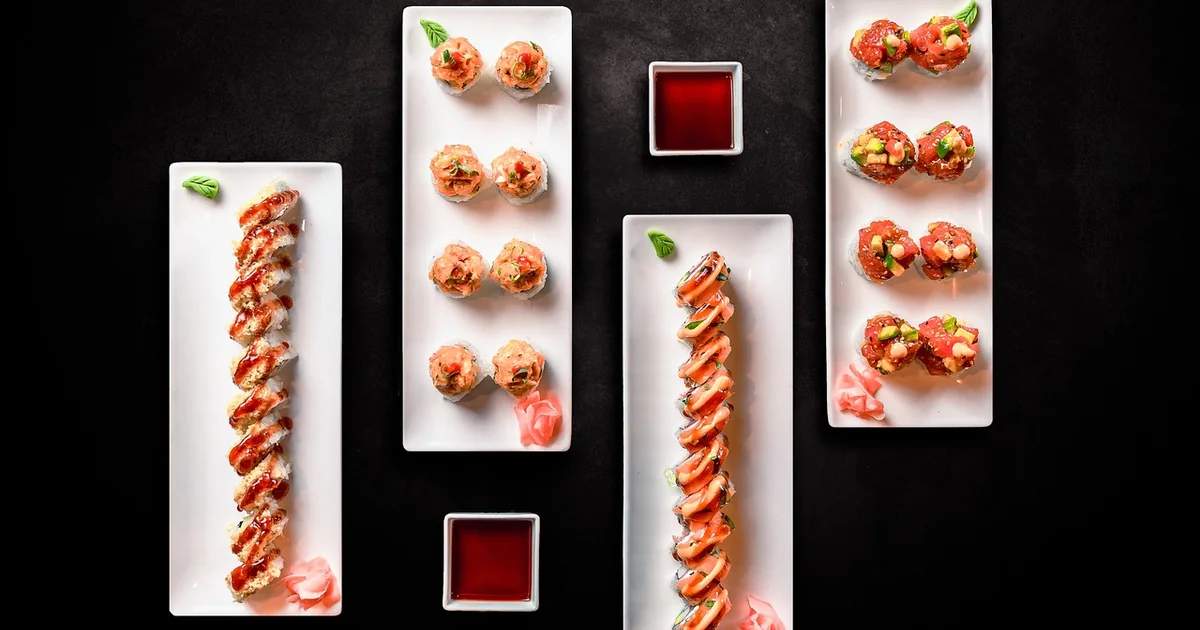
People have latched onto this specific transaction for a reason. It stands out as odd. The conversation surrounding the trump sushi stock purchase has been intense, with social media platforms buzzing over whether the investment was intentional or a blunder. To understand the full picture, let’s break down five key facts about this unusual trade and what it reveals about the system.
The Five Defining Facts About the Trump Sushi Stock Trade
Fact 1: The Massive Scale of a Single Sushi Investment
Trump’s purchase of Kura Sushi stock, valued somewhere between $1 million and $5 million, represents one of his largest single equity bets during the opening months of the year. Out of roughly 3,600 buy and sell orders, only 36 fell within this high-value tier. To put that into perspective, this sushi chain sits in the same investment bracket as defense giant Boeing and tech leader Apple.
Kura Sushi operates just 91 locations across the United States, with most concentrated in California, Texas, and New Jersey. The company has ambitious plans to expand to 300 locations, according to reports from Nikkei Asia. But right now, it is still a relatively small player in the restaurant industry. Throwing millions of dollars into a mid-sized sushi chain is not the kind of move most professional portfolio managers would make unless they had a very specific reason.
This raises a practical challenge for the average investor. Should you follow a president’s stock picks? Probably not. Presidential trades are often driven by personal relationships, insider knowledge, or, in this case, potentially a mistake. Small investors who try to mimic these moves could face significant volatility.
Fact 2: The Mistaken Identity Theory That Went Viral
Why would a sitting president pour millions into a sushi restaurant? The most popular theory circulating online is that Trump or his team confused Kura Sushi with a different company. The name “Kura” appears in several publicly traded firms. Kura Oncology, a biotech company developing cancer treatments, trades under the ticker KURA. Fujikura, a Japanese electrical equipment and golf component manufacturer, is another candidate.
This kind of mix-up would not be unheard of within the administration. Remember the infamous 2020 press conference where Rudy Giuliani stood in front of a business called Four Seasons Total Landscaping instead of the Four Seasons hotel? The speculation is that a similar lack of attention to detail may have led to this stock purchase.
If the confusion theory is true, it highlights a broader problem with how financial portfolios are managed by public officials. When a president signs off on trades worth millions of dollars, basic due diligence matters. The cost of a mix-up like this is not just financial. It creates a distraction that undermines public trust. For portfolio managers and ethics officers, the lesson is clear: verify every ticker symbol before executing a trade. One small error can dominate the news cycle for weeks.
Fact 3: A Single Tweet Sent a Cancer Drug Stock Soaring 9%
The market reaction to the trump sushi stock story is a fascinating case study in behavioral finance. As speculation spread that Trump might have intended to buy Kura Oncology instead, that company’s stock jumped roughly 9% in a single day. This happened despite the fact that Trump never actually bought Kura Oncology shares. The mere suggestion of his interest was enough to move the market.
Meanwhile, Fujikura dropped about 8% on the same day, but for unrelated reasons tied to a poor three-year forecast. The divergent fortunes of these three companies — Kura Sushi, Kura Oncology, and Fujikura — illustrate how quickly capital can shift based on rumor rather than fundamentals.
For individual investors, this is a dangerous environment. Reacting to unverified social media speculation about a president’s portfolio can lead to buying high and selling low. The smarter approach is to ignore the noise and focus on a company’s actual financial health. Kura Oncology’s spike was driven entirely by speculation, not by a new drug approval or strong earnings report. Chasing those gains would likely result in losses once the hype fades.
Fact 4: A Pattern of Buying Stock and Endorsing It Publicly
The sushi purchase did not happen in a vacuum. Trump’s broader trading activity shows a pattern of buying stock in companies shortly before or after endorsing them publicly. Journalist Judd Legum compared the timing of Trump’s public statements with his financial disclosures. The results are striking.
On March 25, Trump purchased between $1 million and $5 million worth of Micron stock. The following day, he appeared on Fox News and called Micron “one of the hottest companies.” He did something similar with Dell. He bought Dell stock in early February and later told an audience to “go out and buy a Dell computer.” While these actions may not technically violate insider trading laws for the president, they raise serious ethical questions about using public office for personal gain.
You may also enjoy reading: Mini Shai-Hulud Worm Compromises TanStack, Mistral AI, & More.
Other trades in the disclosure include investments in private prison operator GEO Group, defense contractors like RTX and Palantir, and media giant Versant Media Group. Versant is the parent company of CNBC and MSNBC. This is notable because Trump has publicly called mainstream media outlets “fake news” while simultaneously investing in them. The optics are confusing at best.
For anyone working in government ethics, this pattern represents a fundamental challenge. The current rules allow presidents to trade stocks freely and only require vague disclosures months after the fact. Enforcing accountability becomes nearly impossible when the reported ranges are so wide and the reporting lag is so long. A simple solution would be requiring presidents to place their assets in a certified blind trust, eliminating the conflict of interest entirely.
Fact 5: How Wide-Ranging Disclosure Forms Obscure the Truth
The financial disclosure forms that revealed these trades are designed to prevent conflicts of interest, but they contain significant loopholes. Filers are not required to report the exact value of their trades. Instead, they select from broad ranges. A stock holding worth between $1,001 and $15,000 fits into one category. Holdings up to $50,000, $100,000, and even $100 million fall into others.
This means the public can see that Trump bought Kura Sushi stock, but no one knows if the exact amount was $1 million or $4.9 million. That wide margin makes it almost impossible to calculate precise profits or to prove a direct link between a policy decision and a financial gain. The Office of Government Ethics oversees these filings, but the enforcement teeth are limited.
For the casual observer, this is frustrating. The current system relies on the honor of the very people being monitored. A better approach would be real-time electronic reporting with exact dollar amounts. Several pieces of proposed legislation, including updates to the STOCK Act, have tried to close these loopholes, but they often stall in Congress. Until those changes pass, the public will remain in the dark about the full extent of presidential trades.
What This Means for the Average Person
The trump sushi stock story is easy to laugh at. A president accidentally buying shares of a conveyor belt sushi chain sounds like a sitcom plot. But underneath the humor lies a serious conversation about financial transparency, market stability, and ethical leadership. The same disclosure forms that revealed this quirky purchase also showed investments in private prisons and defense contractors. Those trades have real consequences for policy and public life.
Whether the Kura Sushi purchase was a deliberate bet or a careless error, the incident serves as a reminder that the rules governing presidential finances are not strong enough. Until those rules change, the burden falls on journalists, watchdogs, and voters to scrutinize these disclosures. The next time a funny headline crosses your feed, take a moment to look at the rest of the portfolio. That is where the real story often hides.