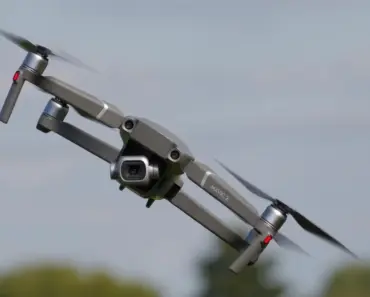
Finding the right entry point into the world of aerial photography can feel like navigating a dense fog of technical jargon and intimidating price tags. Most people want to capture cinematic moments of their travels or social media adventures, but the thought of mastering complex joysticks and worrying about flight regulations often creates a significant barrier to entry. Fortunately, a recent dji neo deal on Amazon has changed the math for aspiring creators, making high-quality, automated flight more accessible than ever before.
An Unprecedented Opportunity for New Pilots
As of late April, the landscape for budget-friendly drone enthusiasts has shifted significantly. For those tracking price history through tools like CamelCamelCamel, the current $149 price point represents a historic low for this specific model. Originally positioned at a $199 retail price, this 25% reduction offers a substantial $50 saving that makes the decision to experiment with flight much easier on the wallet.
This isn’t just a minor seasonal markdown; it is a strategic opening for anyone who has previously felt that drone technology was reserved for professionals or hobbyists with deep pockets. When you consider the sheer amount of engineering packed into such a tiny frame, the value proposition becomes quite striking. You are not just buying a toy, but a sophisticated piece of unmanned aerial vehicle technology that handles much of the heavy lifting for you.
The reduction in cost allows users to allocate more of their budget toward essential accessories, such as extra batteries or high-speed microSD cards. In the world of miniature drones, battery life is often the primary bottleneck, so having an extra $50 in your pocket can mean the difference between a five-minute flight and a full afternoon of content creation. This dji neo deal effectively lowers the “cost of curiosity,” allowing you to test the waters without a massive financial commitment.
The Physics of Portability: Why 135 Grams Matters
One of the most critical technical specifications of this device is its mass. Weighing in at a mere 135g, the drone sits in a very specific regulatory and physical category. To understand why this matters, we have to look at the intersection of weight, safety, and legal requirements.
In many jurisdictions, including the United States under FAA guidelines, the weight of an unmanned aircraft determines the level of scrutiny and registration required. Smaller, lighter drones often bypass the more cumbersome registration processes required for larger, heavier commercial-grade aircraft. This lightweight profile means you can slip the device into a jacket pocket or a small crossbody bag, making it the ultimate companion for travelers who prioritize minimalism.
Beyond the legal ease, there is the practical reality of inertia. A lighter drone is much more forgiving during a collision. If a 135g device bumps into a curtain or a tree branch, the kinetic energy involved is significantly lower than that of a larger drone. This physical reality, combined with the built-in safety features, creates a much higher margin for error for those still developing their spatial awareness in the air.
Solving the “Complexity Anxiety” Problem
A common challenge for beginners is the steep learning curve associated with traditional remote controllers. Most drones require a synchronized connection between a handheld transmitter and the aircraft, involving multiple sticks that control pitch, roll, yaw, and throttle. For many, this feels more like learning to fly a fighter jet than capturing a quick video of a sunset.
The solution provided here is radical simplicity. This device is designed to function almost entirely autonomously. By removing the immediate requirement for a dedicated remote, the manufacturer has addressed the primary psychological barrier to entry. You can engage with the technology through much more intuitive interfaces, such as voice commands or even simple palm-based operations.
Versatile Control Methods for Every Skill Level
One of the most impressive aspects of this technology is the sheer variety of ways you can interact with it. It does not force you into a single way of flying, which allows the device to grow with your skill level. This flexibility is a key component of why this specific dji neo deal is so attractive to a wide demographic.
For the absolute novice, the palm-based operation is a game-changer. Imagine standing in a park and wanting a quick follow-shot of yourself walking. Instead of setting up a tripod or wrestling with a controller, you can initiate takeoff and landing directly from the palm of your hand. This tactile, almost organic way of interacting with the machine removes the “tech” feel and replaces it with a sense of seamless companionship.
As you become more comfortable, you can transition to more traditional methods. The DJI Fly app allows you to use your smartphone as a control hub, providing a more visual and guided experience. For those who eventually want to pursue more precise maneuvers or longer-range flights, the option to use a standard radio-controlled unit ensures that you won’t outgrow the hardware as your passion for the hobby evolves.
The Role of Voice Control and AI Tracking
We are entering an era where artificial intelligence handles the “how” of flying, leaving the human to focus on the “what.” The smart subject tracking feature is a prime example of this. The drone uses onboard sensors to identify a person and maintain a consistent distance and angle, essentially acting as a personal cinematographer.
This solves the “lonely creator” problem. Previously, if you wanted a high-quality video of yourself performing an activity—be it skateboarding, hiking, or cooking—you needed a second person to hold the camera. Now, the drone becomes that second person. It follows your movement through complex environments, adjusting its flight path to keep you in the center of the frame.
Voice control adds another layer of hands-free utility. This is particularly useful in scenarios where your hands are occupied, such as when you are mid-activity or carrying gear. Being able to command the drone to take off or follow you using simple verbal cues turns the device from a tool into an intelligent assistant.
Safety-First Design: Navigating Tight Spaces
A significant fear for new drone pilots is the “crash and burn” scenario. The thought of a spinning propeller hitting a wall, a person, or a delicate piece of furniture is enough to keep many people from ever turning a drone on. This is where the engineering of the propeller guards becomes essential.
You may also enjoy reading: Nvidia and Nscale Announce UK’s First Sovereign Artificial Intelligence Partnership.
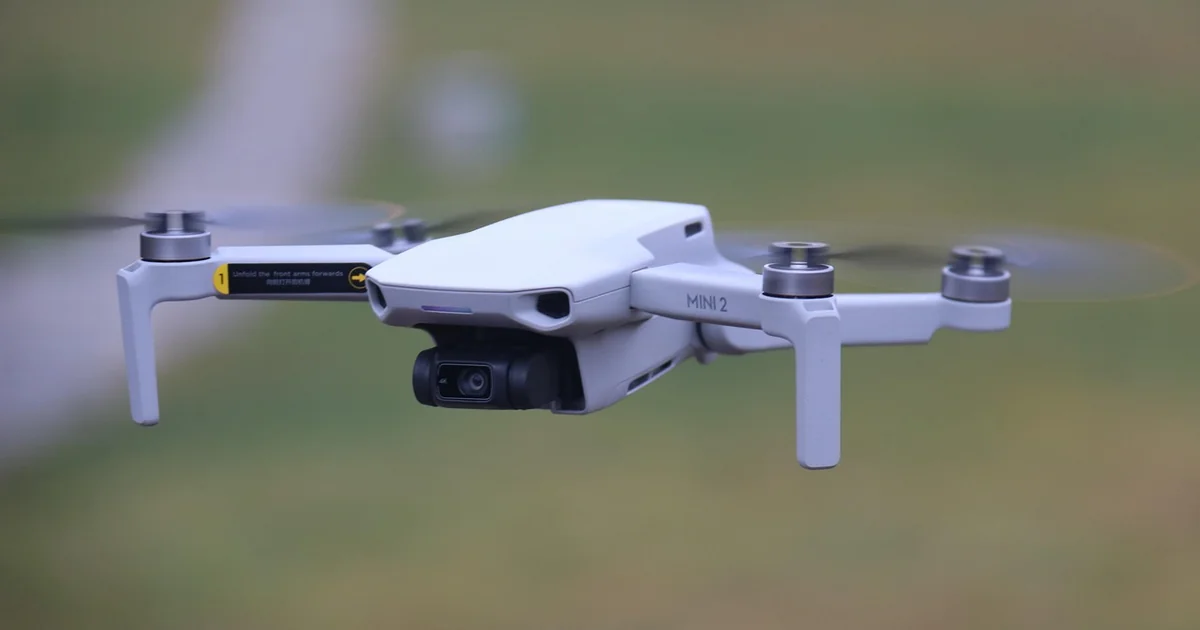
The device features full-coverage propeller guards, which essentially create a protective cage around the most vulnerable parts of the aircraft. This design choice is specifically tailored for indoor use and navigating cluttered environments. If you are flying through a backyard with low-hanging tree branches or inside a spacious living room, these guards provide a vital layer of physical protection.
This safety feature changes the “play zone” of the drone. Instead of being limited to wide-open fields, you can explore more intimate, textured environments. You can navigate near obstacles with a much higher degree of confidence, knowing that a minor bump is unlikely to result in a catastrophic failure or a broken propeller. This allows for much more creative, close-up cinematography that would be impossible with an unprotected aircraft.
Practical Solutions for Indoor Flight
To get the most out of a small drone in a home environment, I recommend a few specific steps to ensure success:
- Start in an open room: Before attempting to fly near furniture, find the largest, most unobstructed space in your home to get a feel for the drone’s responsiveness.
- Manage lighting: While these sensors are advanced, they rely on visual data. Ensure your indoor space is well-lit to help the subject tracking function accurately.
- Mind the airflow: Be aware that ceiling fans or strong air conditioning vents can create unpredictable currents that might affect such a lightweight device.
A New Era of Content Creation and Travel
When we look at the broader impact of this technology, it becomes clear that we are seeing a democratization of visual storytelling. The ability to capture high-quality, stabilized footage without expensive gear or professional training is a massive shift for the creator economy.
Consider the traveler who wants to document a mountain hike. Traditionally, they would have to choose between a heavy DSLR that takes up half their pack or a smartphone that lacks the perspective of an aerial shot. This mini drone offers a third way: a device that weighs less than a smartphone but provides a completely different dimension of visual storytelling.
Similarly, for parents looking to capture the fleeting moments of childhood, the ease of use is paramount. You don’t want to be fiddling with settings while your child is playing in the park. You want a device that you can deploy in seconds, let it track the action, and then tuck back into your bag. The low barrier to entry makes it a lifestyle gadget rather than a specialized piece of equipment.
Comparing Mini Drones to Traditional Action Cameras
While action cameras like GoPros are fantastic, they are inherently limited by their perspective. They are “eye-level” or “chest-mounted” devices. A drone, even one this small, introduces the “God’s eye view,” which adds a sense of scale and epicness to even the most mundane activities. It isn’t just an alternative to an action camera; it is a complementary tool that provides the perspective an action camera simply cannot reach.
Maximizing Your Investment
If you decide to take advantage of this dji neo deal, it is wise to think about the long-term utility of the device. Because it is so accessible, it is easy to treat it as a passing whim. However, by approaching it with a bit of intentionality, you can turn it into a powerful tool for your creative life.
I suggest focusing on mastering the subject tracking first. Once you can reliably use the drone to follow yourself or a friend, you will begin to see the cinematic possibilities. From there, you can experiment with the more manual controls to learn the nuances of flight. The goal is to move from “accidental” footage to “intentional” cinematography.
Ultimately, the combination of a low entry price, high-tech automation, and extreme portability makes this a standout moment in the consumer drone market. Whether you are a social media enthusiast, a frequent traveler, or just someone curious about the future of flight, this current pricing provides a perfect window to step into the sky.