Compact Android tablets often force you into a trade-off. You can pick a small, portable model, but the hardware usually lands in the mid-range or budget category. Seek serious performance in a smaller body, and your options quickly narrow to gaming-focused machines from Lenovo or Red Magic. That compromise is why a recent leak from tipster Abhishek Yadav sparks genuine interest. OnePlus reportedly has a compact tablet in the works for global markets. The rumored device packs an 8.8-inch OLED display with a 144Hz refresh rate and a Snapdragon 8 Gen 5 chipset. Below are five ways this compact android tablet oled might shift the balance.
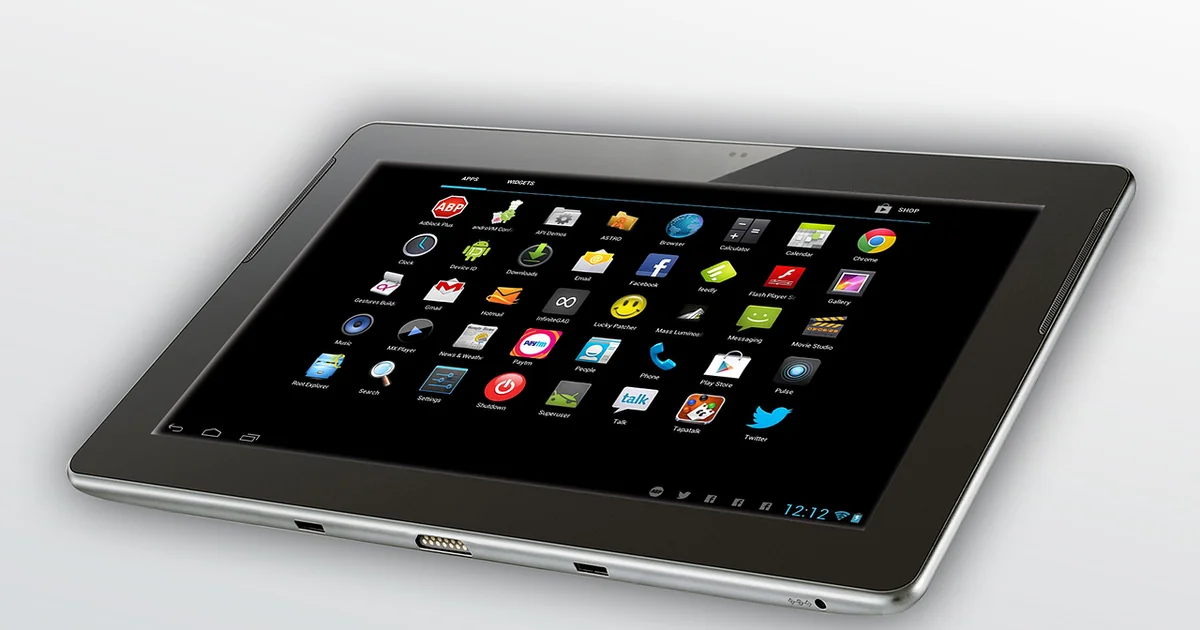
1. Bringing OLED to a More Accessible Size
Apple has reserved OLED for its premium iPad Pro models since 2024. The iPad Mini, now in its seventh generation, still relies on an 8.3-inch Liquid Retina LCD display. That screen is decent for reading and casual use, but it lacks the deep blacks, vibrant contrast, and energy efficiency that OLED offers. Android manufacturers have long offered OLED on phones, yet compact tablets have lagged behind. The rumored OnePlus device would change that by placing a high-end OLED panel into a form factor that rivals the iPad Mini.
An OLED display in an 8.8-inch size matters for several reasons. It delivers true blacks, which makes watching movies or reading at night far more immersive. The 144Hz refresh rate smooths scrolling and animations, something the iPad Mini’s 60Hz screen cannot match. Critics might argue that OLED is overkill for a small tablet, but anyone who has used an OLED phone for media consumption knows the difference. This compact android tablet oled could become a dedicated streaming device, e-reader upgrade, or portable sketchpad for creative users who crave contrast-rich visuals.
The catch is pricing. OLED panels cost more to manufacture than LCD equivalents. If OnePlus prices this tablet close to the iPad Mini’s $499 starting point, the OLED alone may not justify the switch for budget-conscious buyers. However, if the company leverages its supply chain relationships — possibly sharing components with the China-exclusive Oppo Pad Mini — it might keep costs competitive while still offering a premium display. That would mark the first time a mainstream Android tablet in this size tier offers OLED at a near-mainstream price.
2. Closing the Performance Gap Without Sacrificing Portability
One of the persistent weaknesses of compact Android tablets has been processing power. Most small models use mid-range chips that stutter under demanding apps or multitasking. The iPad Mini, by contrast, packs the A17 Pro chip — the same silicon found in the iPhone 15 Pro. That gap has pushed Android users who want speed toward bulky 11-inch or 13-inch tablets, which defeat the purpose of portability.
The leaked OnePlus tablet would flip that script. With a Snapdragon 8 Gen 5 chipset, LPDDR5X RAM, and UFS 4.1 storage, the hardware matches or exceeds what you find in premium Android phones. That means fluid multitasking, fast app launches, and the ability to handle demanding games or creative software without lag. The 8,000mAh battery paired with 67W charging also suggests all-day endurance and quick top-ups — crucial for a device you carry everywhere.
Consider the student who needs a lightweight companion for a laptop. They want to take notes with a stylus, read textbooks in PDF format, and stream lectures between classes. A compact android tablet oled with flagship-level performance can handle all of those tasks without overheating or stuttering. The same applies to a professional who uses a tablet for document review and video calls while traveling. The iPad Mini has owned that niche for years, but an Android alternative with comparable or superior raw power suddenly makes the choice less one-sided.
Real-World Trade-Offs: OLED vs. LCD for Battery Life and Outdoor Visibility
OLED displays consume less power when showing dark content because each pixel lights itself. For reading in a dim room or browsing dark-mode apps, battery life improves noticeably. However, OLED panels can draw more power when displaying bright, white-heavy interfaces — think web pages or spreadsheets under sunlight. The 8.8-inch size mitigates this somewhat because the screen is smaller, but outdoor visibility remains a challenge. OLED’s peak brightness typically falls short of high-end LCDs. If OnePlus uses a panel with strong peak brightness (above 600 nits), this trade-off becomes less of an issue. Otherwise, users who frequently work outdoors may prefer an LCD alternative.
3. Addressing the App Ecosystem and Media Consumption
Android tablets have historically struggled with app optimization. Many mobile apps simply stretch to fit larger screens, resulting in awkward layouts or wasted space. The iPad Mini’s 8.3-inch display benefits from Apple’s strict guidelines that require developers to support different screen sizes. Android’s more fragmented ecosystem means not every app plays nicely on an 8.8-inch screen.
Yet the landscape has improved. Google has pushed for better tablet support through Jetpack Compose and adaptive layouts. Streaming services like Netflix, Disney+, and YouTube have fully optimized their Android tablet apps. E-reader apps such as Kindle and Libby work seamlessly at this size. The 144Hz OLED panel would make scrolling through social media feeds or long articles feel fluid, and the increased contrast enhances video playback. For a user who primarily consumes media — movies, shows, e-books, and web content — a compact android tablet oled built around these strengths could be a more attractive proposition than the iPad Mini, especially if the price undercuts Apple’s offering.
You may also enjoy reading: 7 Reasons This Gorgeous Lego Set Brings Disneyland Home.
Can an 8.8-Inch OLED Tablet Replace a Phone for Media?
Some readers might wonder whether a tablet this small could double as a phone-sized media device. The answer depends on your phone’s size. Many flagship phones now sport 6.7- to 7-inch displays. An 8.8-inch tablet is noticeably larger — enough to feel like a different class of device. You will not slip it into a jeans pocket, but it fits in a small bag or jacket pocket easily. For watching movies on a plane or reading at a café, the extra screen real estate improves the experience without the bulk of a full-size tablet. It sits halfway between a phablet and a standard tablet, which might be the sweet spot for users who find the iPad Mini too small for video but too large for a phone.
4. Offering a Mainstream Alternative to Gaming-Focused Tablets
Android does have powerful compact tablets, but nearly all of them target gamers. Lenovo’s Legion Tab Gen 5 (8.8-inch LCD, Snapdragon 8 Elite) and Red Magic’s Astra (9.06-inch OLED, Snapdragon 8 Elite) deliver excellent performance for mobile gaming. Yet they come with aggressive designs — RGB lighting, angular vents, and gamer-centric software features that feel out of place in a living room or a professional setting. Neither brand positions these devices as everyday companions for browsing, streaming, or note-taking. They are niche products for a specific audience.
The rumored OnePlus tablet appears designed to bridge that gap. By adopting a cleaner aesthetic (likely similar to the Oppo Pad Mini) and focusing on a wider feature set, OnePlus could appeal to users who want high performance without the gamer stereotype. A parent looking for a shared family device, a photographer who wants an OLED screen for editing, or a remote worker who needs a portable second monitor — all of these scenarios benefit from a compact android tablet oled that does not scream “gaming gear.” The 67W charging and large battery also make it practical for all-day use, not just marathon gaming sessions.
Why This Matters for the Android Tablet Ecosystem
If OnePlus succeeds in selling a mainstream-oriented compact tablet with OLED, it could encourage other manufacturers to follow suit. Brands like Xiaomi, Samsung, and Lenovo have the capability to produce similar devices but have hesitated due to perceived low demand. A strong launch would signal that consumers are willing to pay a premium for a well-rounded small tablet. That could eventually lead to more choices in the compact android tablet oled category, driving competition and lowering prices for everyone.
5. Expanding Global Availability Beyond China
The Oppo Pad Mini — which shares many rumored specs with the OnePlus tablet — launched exclusively in China. That left international consumers without access to a premium compact Android tablet with OLED. OnePlus, as a global brand with distribution channels in India, Europe, and parts of North America, could change that. According to the leak, global rollout might begin in Q3 2026, with India among the first markets. That timeline gives the company over a year to finalize hardware and negotiate carrier and retailer partnerships.
A global release matters because the iPad Mini’s main advantage is availability. You can buy it in almost any country through Apple’s website, retail stores, or carrier partners. Android alternatives, when they exist, are often region-locked or sold only through niche importers. If OnePlus delivers a compact android tablet oled that is easy to purchase and supported with warranty and software updates, it removes a significant barrier. Users no longer have to hunt for gray-market imports or worry about compatibility with local LTE bands.
Pricing Uncertainty: The Make-or-Break Variable
The biggest question remains cost. If this tablet launches at $400–$450, it undercuts the iPad Mini by $50–$100 while offering OLED and a faster refresh rate. That would be a compelling value. But if it lands at $500 or more, the OLED advantage might not be enough to sway buyers who already trust Apple’s ecosystem, software support, and resale value. OnePlus has historically priced its tablets aggressively — the OnePlus Pad 4 starts at around $450 — but that model uses an LCD screen. Adding OLED to a smaller chassis could push costs higher. The company’s supply chain link to Oppo might help control expenses, but until official pricing is revealed, consumers should remain cautiously optimistic.
In the end, this rumored device represents the closest Android has come to offering a direct competitor to the iPad Mini. OLED in a compact form factor, flagship internals, and a global launch strategy check three critical boxes. The next year will reveal whether OnePlus can turn that potential into reality — and whether the Android tablet market finally gains a serious small-screen contender.