Smoke on the Horizon: Why California Is Already Burning
May is not supposed to look like this. Across Southern California, smoke columns rise against a landscape that should still be damp from spring rains. Instead, the state finds itself confronting an alarming reality: major wildfires are already consuming tens of thousands of acres, and the traditional fire season has not even arrived. For anyone tracking the california wildfire season 2025, these early blazes offer a troubling preview of what could unfold over the coming months. Three major fires have ignited in Southern California alone, fueled by a combination of high winds, unseasonable heat, and dry vegetation that has left the landscape primed to burn. The Santa Rosa Island Fire, the Sandy Fire, and the River Fire together have scorched more than 21,000 acres, and containment numbers remain low. The Santa Rosa Island Fire alone has burned roughly 16,600 acres, nearly a third of the entire island, and has zero containment as of this writing. The Sandy Fire near Simi Valley has forced thousands of residents to evacuate, while the River Fire continues to spread through Kern County. These events are not isolated incidents. They are part of a broader pattern that demands attention.
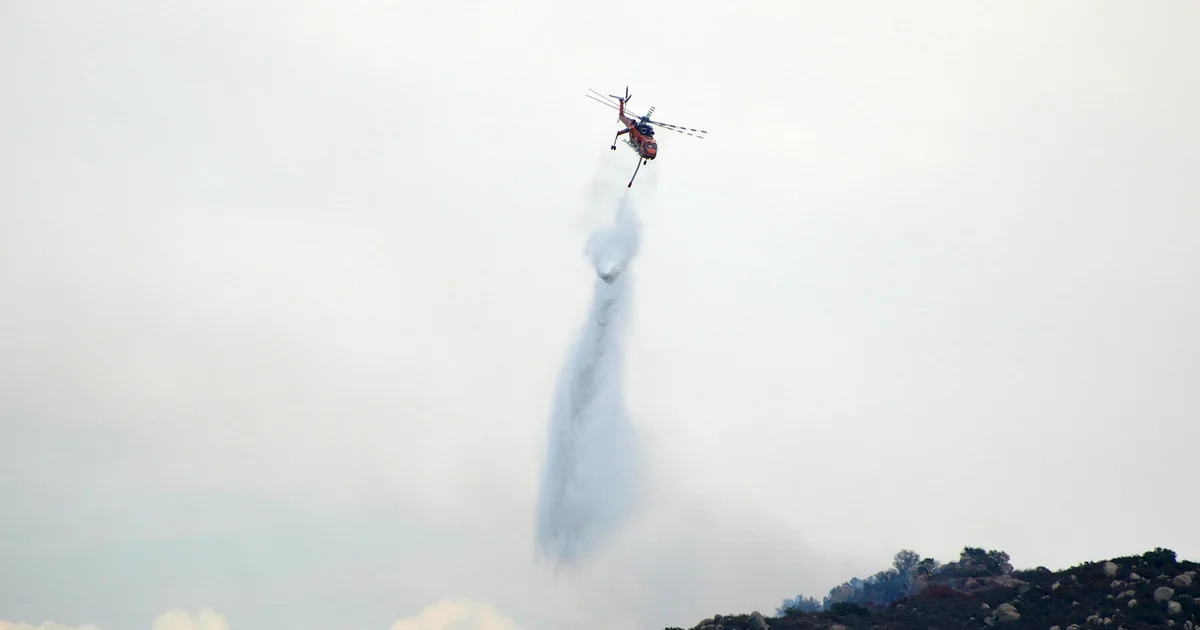
Nearly 41,000 acres have burned across the state so far this season, according to the California Department of Forestry and Fire Protection. That figure is well above the five-year average of 23,380 acres for this point in the year. The question on many minds is simple: why is this happening so early, and what does it mean for the rest of the year? Below are five key reasons that explain why the california wildfire season 2025 is already overactive.
1. Early Heat Waves Arrive Weeks Ahead of Schedule
One of the most immediate drivers of early fire activity is the arrival of extreme heat much earlier than normal. Record-breaking temperatures swept through the state in late spring, drying out vegetation that would typically still be moist from seasonal rains. This combination of high heat and low humidity creates the perfect conditions for fires to ignite and spread rapidly.
How Heat Accelerates Fire Behavior
When temperatures climb into the 90s and triple digits in May, the landscape dries out at an accelerated pace. Fine fuels like grasses, dead leaves, and small twigs become receptive to ignition within hours of exposure to intense heat. The Santa Ana winds that often accompany these heat events only worsen the situation. During the recent fires, gusts pushed flames across dry brush with alarming speed, making containment efforts difficult for ground crews. The Sandy Fire, for instance, expanded rapidly on Tuesday morning as high winds whipped the flames across nearly 1,400 acres, forcing evacuations and straining firefighting resources.
What This Means for Homeowners
If you live in a foothill community or a suburban area that borders wildland, early heat waves are a signal to prepare now. Do not wait for summer. Clear dry vegetation from around your home, trim overhanging branches, and ensure your roof and gutters are free of debris. The early heat is not a fluke. It is a recurring pattern that demands proactive steps before the first flame appears.
2. Snowpack Levels Have Collapsed to Critical Lows
The snowpack in California’s Sierra Nevada range serves as a natural reservoir, storing water through the winter and releasing it slowly during the spring and summer. That buffer is essentially gone this year. The most recent measurements show the Sierra Nevada snowpack stands at just 9 percent of its usual level for this time of year. Many basins across the West have no measurable snow at all, according to federal data. This is not a minor shortfall. It is a dramatic deficit that leaves the landscape exposed and dry.
The Link Between Snowpack and Fire Season
A healthy snowpack keeps soil moist and vegetation green well into summer. When the snowpack disappears early, the ground dries out faster, and plants that would normally stay hydrated become brittle and flammable. This creates a longer window during which wildfires can ignite and spread. The loss of snowpack also affects water availability for firefighting efforts. Reservoirs that rely on snowmelt may run low, and fire crews may face challenges accessing water sources in remote areas. The california wildfire season 2025 is already feeling the effects of this diminished snowpack, and the worst may still be ahead.
What This Means for the Broader West
The problem is not limited to California. A recent analysis by the nonprofit Climate Central found that April 1 snowpack across the West has declined by 18 percent since 1955. That measurement date is a key benchmark for assessing water reserves. The steady decline means that states from Oregon to Colorado to New Mexico are all facing similar risks. Early snowmelt is a unifying factor that amplifies fire danger across the region. For anyone planning a trip to the mountains or a national park this summer, it is worth checking current snowpack data and fire restrictions before you go.
3. High Winds and Dry Fuels Create a Dangerous Combination
Wind is a decisive factor in wildfire behavior. It supplies oxygen to the flames, carries embers ahead of the fire front, and makes containment nearly impossible when gusts are strong. The recent fires in Southern California have been driven by exactly this kind of wind. The Santa Rosa Island Fire, the Sandy Fire, and the River Fire all occurred during periods of high wind, which allowed them to spread rapidly across dry terrain.
The Role of Fuel Moisture
Fuel moisture refers to the amount of water contained in vegetation. When fuel moisture is high, plants resist ignition and burn slowly. When it is low, they catch fire easily and burn with intensity. The combination of early heat and low snowpack has pushed fuel moisture levels to critically low values weeks ahead of schedule. Grasses that would normally be green in May have turned brown. Shrubs and trees that should still be drawing moisture from the soil are instead drying out. This creates a landscape that behaves like a tinderbox, waiting for a spark.
Practical Steps for Suburban Communities
Evacuation orders in Simi Valley during the Sandy Fire highlight the growing threat to suburban communities from wildfires. Homes that border open space or canyon areas are especially vulnerable. If you live in such a zone, create a defensible space around your property. Remove dead plants, stack firewood away from the house, and use non-combustible materials for fencing and decks. Have a go-bag ready with essentials such as medications, important documents, chargers, and a change of clothes. Practice your evacuation route so that you can leave quickly if the order comes.
4. Human Activity Triggers Fires in Unexpected Ways
The Santa Rosa Island Fire offers a striking example of how human activity can spark a wildfire in the most unlikely circumstances. The fire began after a stranded sailor used flares to signal for help. The flares ignited dry vegetation on the island, and the fire spread rapidly, ultimately consuming nearly a third of Santa Rosa Island. The irony of a rescue attempt leading to a destructive blaze raises important questions about emergency signaling methods and the risks associated with them.
You may also enjoy reading: 5 Reasons FCC Walks Back Router Update Ban.
Safer Signaling Alternatives for Outdoor Recreation
For boaters, hikers, and anyone who spends time in remote areas, carrying signaling devices that do not rely on open flames is essential. Personal locator beacons, satellite messengers, and emergency GPS devices can send your coordinates to rescue services without igniting the surrounding environment. These devices are widely available and are becoming more affordable each year. If you are a sailor or a boater, consider adding a satellite communicator to your emergency kit alongside traditional flares. The same advice applies to hikers exploring Channel Islands National Park or other remote areas where fire risk is high.
Assessing the Damage to the Torrey Pines
One of the most heartbreaking aspects of the Santa Rosa Island Fire is the threat it poses to the Torrey pines that grow on the island. These trees are among the rarest in the world. The International Union for Conservation of Nature lists them as critically endangered, and the grove on Santa Rosa Island faces what the organization has described as a “high potential risk from destructive fires.” Early assessments, however, offer a glimmer of hope. Fire crews have observed that the fire intensity was low in the area where the Torrey pines stand, and the trees remain intact. A fire effects crew will be assigned to make a full determination of condition and any long-term effects once it is safe to do so. This outcome underscores the importance of low-intensity burns in some ecosystems, but it also highlights the narrow margin by which these rare trees survived.
5. Climate Change Is Lengthening the Fire Season Every Year
The underlying factor that ties all of these reasons together is climate change. Hot weather is not new to California, but the timing, intensity, and duration of heat events are shifting. The early heat waves, the diminished snowpack, the dry fuels, and the windy conditions are all consistent with a warming climate. The california wildfire season 2025 is unfolding in a context where the traditional boundaries of fire season no longer apply.
The Data Behind the Trend
Climate Central’s analysis of April 1 snowpack data shows an 18 percent decline across the West since 1955. That is a measurable, documented trend that aligns with rising global temperatures. Warmer winters mean more precipitation falls as rain rather than snow, and the snow that does accumulate melts earlier in the spring. This shifts the entire fire season earlier in the year and extends it later into the fall. The 41,000 acres that have already burned in California by May is not just a statistical anomaly. It is a signal that the fire season is expanding, and the state needs to prepare for longer, more intense fire years.
What This Means for Communities and Policymakers
For homeowners, the message is clear: fire season is no longer a few months in late summer and early fall. It is a year-round concern in many parts of the state. For disaster preparedness volunteers, the challenge is helping communities that have never experienced wildfires before understand the risks. Suburban neighborhoods that were once considered safe from fire are now at the edge of burning landscapes. For climate activists, the early start of the fire season provides a concrete, visible example of the changes that are already underway. The data is not abstract. It is visible in the smoke that fills the sky in May.
Looking Ahead: What the Rest of the Season May Hold
The early fire activity in California is a warning that should not be ignored. Nearly 41,000 acres burned by May is well above the five-year average, and the conditions that have contributed to these fires are not going away. The snowpack is depleted, the vegetation is dry, and the heat is arriving earlier each year. The Santa Rosa Island Fire, the Sandy Fire, and the River Fire are not isolated incidents. They are part of a larger pattern that reflects the changing climate and the growing vulnerability of the landscape.
For anyone who lives in or visits California, the message is straightforward: prepare early, stay informed, and take fire risk seriously. The california wildfire season 2025 is already showing its hand, and the rest of the year may bring even greater challenges. Whether you are a homeowner in a foothill community, a hiker planning a trip to a national park, or a climate activist looking for evidence to share with local policymakers, the early fires are a reminder that the time to act is now. The smoke in May is not just a headline. It is a call to attention.