The Decision That Saved Millions of Routers From Becoming Obsolete
In a move that surprised many observers, the Federal Communications Commission quietly extended its waiver program for foreign-made routers already operating in the United States. The fcc router update waiver now runs until at least January 1, 2029, giving device owners and manufacturers a critical window to keep equipment secure. Without this extension, software and firmware updates would have stopped as early as 2027, leaving countless homes and small businesses exposed to known vulnerabilities. The reversal marks a significant shift in how the regulator approaches network security, acknowledging that blocking updates does more harm than good.
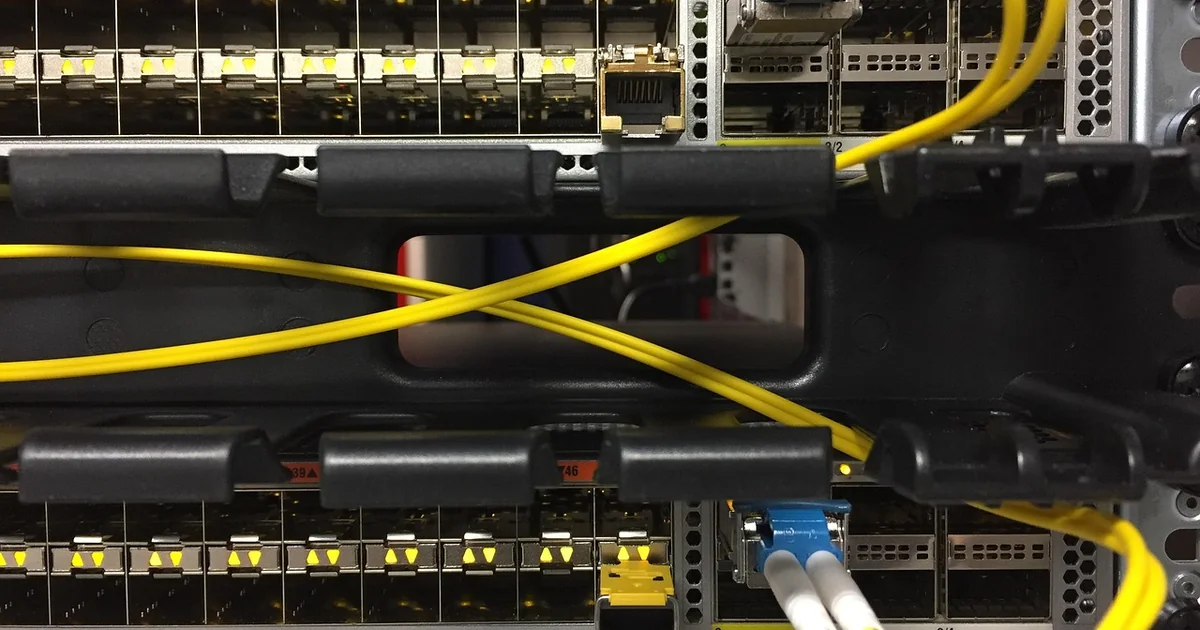
The original restriction aimed to address legitimate concerns about foreign-made networking equipment. Cyberattacks linked to groups like Volt Typhoon, Flax Typhoon, and Salt Typhoon had exploited router vulnerabilities to infiltrate networks and steal sensitive data. Yet the solution created a different crisis: freezing millions of devices in time, unable to receive patches for newly discovered flaws. Here are five key reasons the FCC walked back its router update ban and why the extension matters for everyday users.
Reason One: Preventing Millions of Unpatched Devices From Becoming Security Hazards
The most immediate consequence of the original ban would have been a massive installed base of routers stuck on their last approved firmware version. Security researchers have long warned that the biggest risk to network equipment is not where it was manufactured but whether it continues to receive timely patches. Doc McConnell, head of policy and compliance at security firm Finite State, put it plainly: when routers stop getting updates, known vulnerabilities remain exposed, attackers gain durable footholds, and consumers cannot realistically secure the equipment on their own.
The FCC itself recognized that its policies would have prohibited permissive changes to covered devices, including software and firmware updates that mitigate harm to US consumers. This meant that even minor security patches would have been blocked for millions of routers that had already received prior authorization. The fcc router update waiver directly addressed this problem by allowing existing devices to continue receiving critical security fixes without requiring new approval for each update.
Imagine a family that purchased a router two years ago. That device might have three or four more years of useful life remaining. Without the waiver, the manufacturer would have been legally unable to push a security patch for a newly discovered vulnerability, even if the company wanted to. The router would remain functional but increasingly vulnerable over time. For small businesses operating on tight budgets, replacing an entire fleet of routers overnight simply was not feasible.
The Scale of the Problem
Industry estimates suggest that tens of millions of consumer routers in the United States are manufactured abroad or contain significant foreign-sourced components. The original ban would have affected not only new sales but also the update pipeline for devices already in people’s homes and offices. By extending the fcc router update waiver to 2029, the agency essentially admitted that cutting off updates would have created a larger security problem than the one it was trying to solve.
Reason Two: Geography-Based Bans Ignore the Reality of Global Supply Chains
The policy assumed that router manufacturing could be relocated to the United States within a reasonable timeframe. That assumption collided with the practical realities of global electronics production. The Global Electronics Association (GEA) pointed out that the vast majority of consumer router equipment is built outside the US or assembled from components sourced from multiple countries. Vulnerabilities and security flaws do not respect national borders, and they appear in products from all brands and countries of origin.
A router designed in California might contain chips from Taiwan, memory from South Korea, and connectors from Mexico. Its firmware might be developed by engineers in India and tested in Vietnam. The final assembly could happen in China or Thailand. Trying to define a device as “foreign-made” in this environment becomes nearly impossible. The fcc router update waiver acknowledges this complexity by focusing on the functional outcome whether devices receive security updates rather than where they were physically assembled.
The Problem With the Covered List
The FCC’s Covered List originally targeted specific foreign-made equipment, but the net cast wide enough to sweep in devices whose supply chains crossed multiple jurisdictions. Router manufacturers argued that compliance with the rule would require them to trace every component to its origin, a task that could take months and cost millions. The waiver essentially paused this requirement for existing devices, allowing manufacturers to keep shipping security patches while they worked through the logistical challenges.
For consumers, the practical effect was simple: a router purchased last year would not suddenly become a brick. The automatic update that fixes a critical vulnerability would still arrive over the air, just as it did before the policy change. That continuity matters because many households lack the technical expertise to manually install firmware updates or to evaluate whether a router is still safe to use.
Reason Three: Blocking Updates Directly Undermined the FCC’s Own Security Goals
The stated motivation for the original ban was reducing network vulnerability. Yet the mechanism chosen blocking firmware updates worked directly against that objective. Security patches are the primary defense against newly discovered exploits. When a vulnerability is disclosed and router vulnerabilities are disclosed frequently the window between public knowledge and exploitation is often measured in days, not months.
By preventing manufacturers from pushing updates to foreign-made routers, the FCC risked creating a situation where attackers could study a published vulnerability, know that millions of devices could not receive a fix, and exploit that gap at their leisure. The fcc router update waiver closed this dangerous loophole by ensuring that the update pipeline remained open for devices already in the field.
A Historical Precedent in Other Industries
Comparable situations have occurred in other sectors. In 2016, the US government considered banning Kaspersky antivirus software from federal networks due to national security concerns. The ban focused on new installations and future purchases, not on blocking updates for existing users. Similarly, when the Federal Trade Commission required certain IoT device manufacturers to improve security practices, it did not order them to stop patching devices already sold. The FCC’s original router policy would have been an outlier, blocking updates for devices that had been legally purchased and were operating in good faith.
The agency’s belated recognition of this contradiction represents a significant course correction. In its official statement extending the waivers, the FCC acknowledged that preventing updates could unintentionally make Americans less safe. That admission aligns with what security experts had been saying since the rule was first proposed.
Reason Four: Industry Experts and Security Researchers Widely Criticized the Restriction
The policy faced broad opposition from cybersecurity professionals, trade associations, and technology manufacturers. Their arguments were not about defending foreign-made products but about the practical consequences of cutting off updates. Doc McConnell of Finite State explicitly stated that he strongly supported the FCC’s decision to allow firmware and software updates for already-authorized routers. He emphasized that the original restriction risked creating millions of deployed routers frozen in time, unable to receive security fixes.
Consumer advocacy groups also weighed in. They noted that most router buyers do not check the country of origin before making a purchase. The typical consumer walks into a store or browses online, chooses a router based on speed ratings, price, and brand familiarity, and expects it to remain secure for several years. The FCC policy would have punished consumers for buying products that were legally sold in the United States, through authorized retailers, with no indication that future support would be cut off.
The Drone Connection
The waiver extension also covers unmanned aircraft systems (UAS) and their critical components. Drones face similar update challenges: they require regular firmware patches to address safety issues, improve flight performance, and fix security vulnerabilities. By including drones in the waiver, the FCC avoided creating a separate crisis in the consumer drone market, where many popular models are manufactured abroad. The extension ensures that drone operators can continue flying safely without worrying about whether their devices will receive essential updates.
The breadth of the waiver suggests that the FCC listened to feedback from multiple industries. The decision was not handed down in a vacuum. It followed months of discussions with manufacturers, security researchers, and policy experts who warned that the ban would backfire. The fcc router update waiver represents a rare instance of a regulatory agency reversing course based on technical arguments rather than political pressure.
Reason Five: The 2029 Timeline Provides a Realistic Path for Transition Without Leaving Devices Exposed
The waiver extension runs until at least January 1, 2029, which falls into the final month of the upcoming presidential term. This timeline matters for several reasons. First, it gives manufacturers and consumers a predictable horizon for planning. Router manufacturers can continue supporting existing devices for several more years, and consumers can make informed decisions about when to upgrade. Second, it allows the FCC to revisit the policy under a future administration without the pressure of an imminent deadline.
You may also enjoy reading: ShinyHunters Confirms Double Canvas Intrusion, Resets Deadline.
The original ban would have blocked updates as early as 2027, which was too short a timeframe for the industry to adjust. Router hardware typically has a lifecycle of three to five years, and many devices sold in 2023 and 2024 would still be in active use in 2027. Forcing manufacturers to stop supporting those devices mid-lifecycle would have created e-waste problems, frustrated consumers, and left networks vulnerable.
What the Conditional Approval Framework Means for New Routers
It is important to understand what the waiver does and does not cover. New router models seeking FCC approval still face restrictions. The Conditional Approval framework requires vendors to submit plans for establishing or expanding manufacturing in the United States. This means that future router purchases may eventually shift toward US-made options, but the transition will happen gradually over the next several years rather than overnight.
For consumers, the practical takeaway is straightforward. If you already own a router that was legally purchased and authorized, it will continue receiving security updates until at least 2029. You do not need to rush out and replace it. When you do shop for a new router in the coming years, you may see a growing number of models that comply with the new manufacturing requirements. Those models will likely cost more initially, but the extended timeline should give the market time to adjust and competition to develop.
The fcc router update waiver also provides a testing ground for the broader policy. Over the next several years, the FCC and industry stakeholders can evaluate whether the Conditional Approval framework actually improves security outcomes. If the data shows that geography-based restrictions do not meaningfully reduce vulnerabilities, the agency may reconsider the approach for future equipment categories.
What This Means for Your Home Network Right Now
For the average household, the FCC’s about-face is good news. It means that the router you currently use should continue to receive security patches for the foreseeable future. You do not need to worry about whether your device is on some list of banned equipment or whether the manufacturer will be forced to abandon it. The immediate crisis has been averted.
However, the situation does highlight an important habit that all device owners should adopt: regularly checking whether your router is receiving firmware updates. Most modern routers have a settings page that shows the current firmware version and the date of the last update. If your router has not received an update in over a year, that may be a sign that the manufacturer has stopped supporting it, regardless of what any government policy says.
Small business owners face a slightly different calculation. If you manage a network with multiple routers, especially devices from different manufacturers and different countries of origin, take inventory of which models you have and check their support status. The waiver covers devices that were previously authorized, but not all manufacturers provide the same level of post-sale support. A router that has not received a firmware update in two years is a security risk, waiver or no waiver.
A Simple Three-Step Check
First, locate your router’s model number and current firmware version. This information is usually printed on a sticker on the bottom or back of the device, and it is also visible in the router’s web interface. Second, visit the manufacturer’s website and look for the support page for your specific model. Compare the latest available firmware with what your router is running. Third, if your firmware is more than 12 months old, consider whether the manufacturer is still actively supporting the device. If not, plan a replacement within the next year.
The fcc router update waiver buys time, but it does not solve every problem. Router manufacturers still need to actually produce security patches and push them to devices. Some budget-oriented brands have a poor track record of long-term support, even when they are legally allowed to provide updates. The waiver removes a regulatory barrier, but it cannot force a company to invest in firmware development for a product it no longer wants to support.
The Bigger Picture: Security Policy That Works With the Marketplace, Not Against It
The FCC’s reversal offers a lesson in how regulation interacts with complex global supply chains. A well-intentioned rule that ignores practical realities can produce worse outcomes than the problem it was designed to solve. By walking back the router update ban and implementing the fcc router update waiver, the agency demonstrated a willingness to listen to technical experts and adjust course when evidence demands it.
This is not the end of the story. The Conditional Approval framework remains in place for new devices, and the debate over supply chain security will continue. Manufacturers face pressure to diversify production away from single countries of origin, a trend that predates the FCC’s actions and will continue regardless of who holds regulatory power. Consumers should expect to see more routers labeled as assembled or manufactured in the United States over the next few years, though at a premium price.
For now, though, the immediate threat has passed. Millions of routers will keep receiving updates. Networks will remain patched. And the next time your router prompts you to install a firmware update, you can click accept knowing that the regulatory environment supports that small but crucial act of security maintenance.