You no longer need to spend over a thousand pounds to get a phone that feels fast, takes great photos, and lasts all day. The mid-range market has quietly become the most exciting place in tech. In 2026, phones priced between £300/$300 and £700/$700 offer flagship specs at a fraction of the cost. This guide looks at nine top contenders, each used as a main device for at least a week.
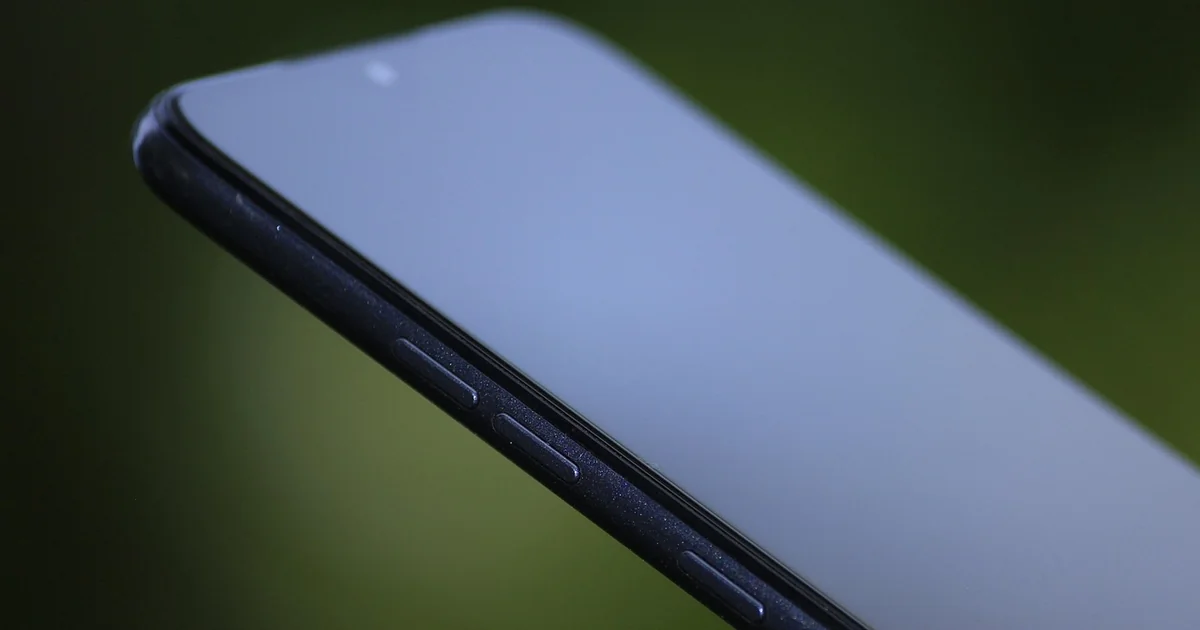
Samsung Galaxy S25 FE: Best Overall Mid-Range Phone
So which phone actually earns the title of best value mid range phone for most people? The Samsung Galaxy S25 FE takes that crown because it checks nearly every box you would want. It is the most well-rounded option if you want a mix of power, screen quality, and long-term peace of mind. You are getting flagship-level performance here without the flagship-level anxiety about your device becoming outdated next year. That is a rare combination in this price bracket.
Let us talk about what powers this Samsung mid range phone. Under the hood, the Snapdragon 8 Elite processor handles everything from heavy multitasking to graphic-intensive gaming without breaking a sweat. The 6.7-inch display gives you plenty of room for streaming or reading, and the bright panel means you can actually see it outdoors. For battery life, the 5000mAh cell easily lasts you through a full day of heavy use, so you are not hunting for a charger by mid-afternoon. But the real differentiator here is the long software support. Samsung promises seven years of updates for the S25 FE, which is industry-leading for any phone, let alone a mid-range one. That means you can buy this phone now and still receive security patches and new Android features in 2032. So, while many mid-range phones offer good specs for today, the S25 FE also protects you for tomorrow, making the Snapdragon 8 Elite performance feel like an even smarter investment.
Google Pixel 9a: Best Software Experience on a Mid-Range Phone
Moving from Samsung’s future-proof AI features, the Google Pixel 9a takes a different approach to delivering the best value mid range. Instead of raw power, it focuses on what many consider the most polished software experience you can get without spending flagship money. At the heart of the Pixel 9a is the Tensor G4 chipset, which drives some of the smartest Pixel software features around. This includes tools like Magic Eraser and real-time call screening, making daily tasks smoother.
The 6.3-inch P-OLED display with a 120Hz refresh rate mid range ensures scrolling and animations feel fluid—a rare treat in this segment. The 48Mp main camera, paired with Google’s renowned computational photography, consistently delivers stunning photos in various lighting conditions.
Camera and Display
The combination of the 120Hz screen and Tensor G4 AI elevates the Pixel 9a above many competitors. You’ll notice how apps open quickly and how the camera app processes HDR shots almost instantly.
Charging Limitations
However, there’s a trade-off: the 23W wired charging is considered slow by today’s standards. If you’re used to faster charging speeds, this might be a minor inconvenience. But for many, the unmatched software experience and camera quality more than make up for it, cementing the Pixel 9a as a top contender for the best value mid range phone.
OnePlus Nord 4: Fast Charging and Premium Build
If fast charging is high on your priority list, the OnePlus Nord 4 deserves a close look. While the Pixel 9a focuses on software and camera, this phone shifts the spotlight to charging speed and build quality. You get one of the quickest refueling experiences available on any phone in this price bracket, easily outclassing many competitors. The Nord 4 also stands out with its metal unibody construction, a rarity at this level. Most mid-range phones use plastic, so the aluminum back gives it a noticeably more premium feel in hand. Priced competitively within the $300 to $700 range, it offers a different kind of value. For anyone who hates waiting for their battery to top up, this is a strong candidate for the best value mid range phone.
OnePlus has long been known for its OnePlus fast charging capabilities, and the Nord 4 continues that tradition with impressive efficiency. The metal build not only looks and feels better but also helps with heat dissipation during charging. This combination of speed and durability reinforces the Nord series value proposition. When you compare the Nord 4 to other options, the charging advantage alone can sway your decision. It is a practical, metal build phone that proves you don’t need to spend flagship money to get flagship charging speeds and a solid construction, making day-to-day use more convenient.
Nothing Phone (3a): Unique Design and Clean Software
While the previous phone leaned on practical build and fast charging, the Nothing Phone (3a) takes a completely different route: it puts design and software purity front and center. If you want your phone to start conversations, the transparent back and those signature Nothing Phone glyph lights give you a customizable LED notification system that makes glanceable alerts feel fresh. Under the glass, you get a near-stock Android experience — no heavy skins, minimal bloatware — which often means smoother updates and snappier everyday use. That clean software pairs well with the Qualcomm Snapdragon 7+ Gen 3 chipset, delivering solid performance for multitasking and light gaming without breaking the bank. For photos, the 50MP main camera with optical image stabilization helps you capture sharp, steady shots in normal light, though you won’t find a periscope zoom here. All this comes in a price bracket that fits the best value mid range segment, proving you don’t have to sacrifice character for capability. The transparent design and glyph system are genuine head-turners, and the near-stock software keeps your experience focused on what matters.
Motorola Edge 50 Pro: Excellent Display and Customizable Software
If you spend a lot of time scrolling through social media, reading articles, or watching videos, the display on your phone matters more than you might think. The Motorola Edge 50 Pro makes a strong case for itself in the best value mid range category with a 144Hz pOLED screen. That high refresh rate means everything from swiping through menus to playing supported games feels noticeably smoother and more responsive. It’s one of those upgrades you quickly get used to, and going back to a standard 60Hz panel feels sluggish in comparison. Motorola also keeps its software experience clean and close to stock Android, which means less bloatware and a more intuitive interface. You get useful customization options without the clutter that some other manufacturers pile on.
Battery anxiety is less of a concern here thanks to 125W TurboPower charging. A quick plug-in can give you a substantial boost in just a few minutes, making it easy to top up before heading out. The 50MP main camera with dual PDAF (phase detection autofocus) helps you capture sharp, detailed shots in good light, and the phone handles everyday photography tasks reliably. For anyone prioritizing a premium viewing experience and fast charging without jumping to flagship prices, the Edge 50 Pro is a solid contender in the Motorola Edge series.
Xiaomi Redmi Note 14 Pro+: Battery King with Strong Camera
If battery life tops your list of must-haves, the Xiaomi Redmi Note 14 Pro+ makes a strong case for the best value mid range phone you can buy right now. It packs a 5000mAh battery that easily gets you through a full day of heavy use, and when it’s time to recharge, the 120W wired charging is remarkably fast. You can go from empty to full in well under half an hour, which is a practical advantage if you’re always on the go. That kind of charging speed is rare at this price point and helps set this phone apart from many competitors.
On the camera side, Xiaomi includes a 200MP main sensor that captures highly detailed shots in good light. While the sensor’s high resolution allows for significant cropping without losing clarity, the real-world results are strong for everyday photography. It also comes with IP68 water resistance, a feature usually reserved for more expensive flagships. This gives you peace of mind against accidental splashes or brief submersion. For anyone who prioritizes marathon battery life and a versatile main camera, this Redmi Note model delivers exceptional value in the £300 to £700 range.
Samsung Galaxy A56: Balanced All-Rounder with Good Software Policy
If you are looking for a dependable device that won’t let you down over time, the Samsung Galaxy A56 stands out as a smart choice. While some phones in this guide offer raw power or niche features, this model focuses on the complete package and long-term reliability. Samsung has built a strong reputation for its software update commitment, meaning your phone will receive several years of security patches and major OS upgrades. That makes the Galaxy A56 a practical investment, especially if you plan to keep your next phone for a while.
Under the hood, the Exynos 1580 chipset handles daily tasks like browsing, social media, and streaming without breaking a sweat. It is not a flagship processor, but it delivers smooth performance for the kind of use most people rely on. The triple camera setup includes a 50MP main sensor that captures detailed, well-lit photos in most conditions. You also get a solid 5000mAh battery that easily lasts a full day, and 45W charging gets you back to full quickly when you do need to top up. For anyone who values a balanced experience with a strong software guarantee, the Galaxy A56 is a top contender in the best value mid range segment.
Google Pixel 9a vs. Samsung Galaxy S25 FE: Head-to-Head Comparison
If you have narrowed your search down to these two heavyweights, you are looking at two very different philosophies of value. Both the Google Pixel 9a and the Samsung Galaxy S25 FE deliver a strong main camera and a reliable selfie camera, but you will find compromises in the supporting lenses on each phone. That means your zoom and ultrawide shots might not be as impressive as the primary photos you take. The real split comes down to longevity and charging speed. Samsung gives you seven years of software support, which is a full two years longer than what Google offers here. That extra coverage could matter if you plan to keep your phone for a long time. On the other hand, the Pixel 9a sticks with 23W wired charging, which is notably slower than what the S25 FE provides. If you hate waiting for your battery to refill, the Samsung phone will feel much more convenient. Choosing between them often comes down to whether you prioritize long-term software updates or a faster daily charging experience.
Trade-Offs in Mid-Range Phones: What to Expect
Getting the best value mid range phone usually means accepting a few compromises that flagships don’t have. These mid range phone compromises are worth knowing about so you can decide what matters most to you. The biggest trade-off often shows up in the supporting cameras. While both the Samsung Galaxy S25 FE and the Google Pixel 9a have strong main and selfie shooters, their ultrawide and telephoto lenses can’t match the quality you’d see on a premium model. For everyday snaps in good light, you likely won’t notice, but you may miss optical zoom in low-light situations.
Another common area where you see flagship vs mid range differences is charging speed. For example, the Pixel 9a supports 23W wired charging, which is considered slow compared to what you get on many higher-end devices. That means you will need to plan your top-ups more carefully. Build materials are another typical compromise. Many mid-range phones use a plastic frame instead of the aluminum or glass you find on flagships. This can make the phone feel lighter, which some people prefer, but it won’t have quite the same premium feel in hand. When you shop for the best value mid range phone, look closely at these three areas — camera trade offs, charging, and build — to ensure the savings feel worth the trade-offs for your daily use.
Frequently Asked Questions
How are these phones tested for reliability?
Each phone undergoes a standardized series of real-world use tests. This includes checking build quality, screen responsiveness, battery endurance under moderate use, and software stability over a week of daily tasks. The goal is to confirm that the device performs consistently without unexpected slowdowns or glitches. These reliability checks help you identify which best value mid range phones can handle your routine.
Which mid-range phone offers the best software support?
Software support varies by manufacturer, but Google and Samsung typically lead the mid-range segment with extended update policies. For a best value mid range phone, look for models that guarantee at least three years of major OS upgrades and four years of security patches. This ensures your device stays secure and feature-rich long after purchase. You can check the official support page for each brand before deciding.
What trade-offs come with mid-range phones compared to flagships?
Mid-range phones often trade top-tier camera sensors, premium build materials, and the fastest processors for a lower price. You may also see less water resistance or a slightly lower screen refresh rate. However, these trade-offs are minor for everyday tasks, and the best value mid range phones deliver solid performance, good battery life, and reliable software. Focus on what matters most to you, and you can get a practical, capable device without paying flagship prices.