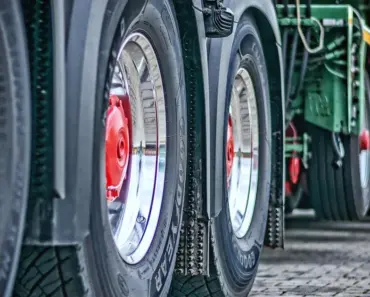
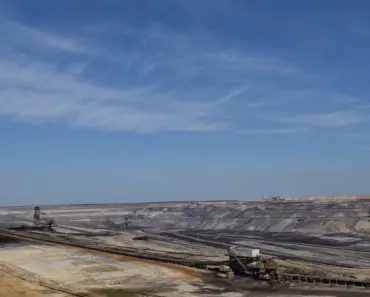
As the world grapples with the challenges of climate change and environmental degradation, the coal mining industry is facing unprecedented pressure to adapt and innovate. With the rise of artificial intelligence, one technology stands out as a game-changer: AI-driven trucks. These cutting-edge vehicles are not only transforming the way coal is mined but also offering a glimpse into a more sustainable future for the industry.
The Rise of AI-Driven Trucks
You may also enjoy reading: 5 Ways Investors Were Ripped Off by Trump's Memecoin Fiasco.
For decades, traditional mining methods have relied on manual labor and outdated equipment to extract coal from the earth. However, this approach has proven to be inefficient, expensive, and environmentally damaging. The introduction of AI-driven trucks marks a significant departure from these methods, leveraging advanced technology to optimize coal extraction and minimize waste.
One of the key benefits of AI-driven trucks is their ability to navigate complex mine layouts with ease. Equipped with advanced sensors and GPS, these vehicles can detect obstacles and adjust their routes in real-time, reducing the risk of accidents and improving overall efficiency. This is particularly significant in the coal mining industry, where narrow tunnels and treacherous terrain can make traditional mining methods hazardous.
The Impact on Traditional Mining Jobs
While AI-driven trucks are revolutionizing the coal mining industry, concerns have been raised about the potential impact on traditional mining jobs. As automation replaces manual labor, some workers may face uncertainty about their future in the industry. However, it’s worth noting that AI-driven trucks are not intended to replace human workers entirely but rather to augment their capabilities and improve working conditions.
In fact, many coal mining companies are already embracing the benefits of AI-driven trucks, investing in training programs to upskill workers and prepare them for the changing landscape of the industry. By focusing on areas such as data analysis, maintenance, and equipment operation, workers can develop new skills and adapt to the evolving demands of the industry.
Addressing Safety Concerns
One of the most pressing concerns surrounding AI-driven trucks is safety. As with any new technology, there are risks associated with their introduction, particularly in high-risk environments like coal mines. However, manufacturers and operators are taking steps to mitigate these risks, investing in robust safety protocols and regular maintenance schedules.
For instance, some AI-driven trucks are equipped with advanced collision avoidance systems, which use sensors and cameras to detect potential hazards and adjust their course accordingly. This not only improves safety for workers but also reduces the risk of accidents and equipment damage.
Increasing Operational Efficiency
AI-driven trucks are not only safer but also more efficient than traditional mining methods. By optimizing routes and reducing the need for manual labor, these vehicles can significantly improve coal extraction rates and reduce waste. This, in turn, can lead to cost savings and increased profitability for mining companies.
For example, one coal mining company in Australia reported a 30% increase in coal extraction rates after introducing AI-driven trucks to their operations. This not only improved their bottom line but also enabled them to reduce their environmental impact, as fewer trucks were required to transport coal from the mine.
Overcoming Technical Challenges
While AI-driven trucks offer many benefits, there are still technical challenges to overcome before they can be widely adopted in the coal mining industry. One of the key challenges is the need for high-bandwidth internet connectivity, which is essential for real-time data transmission and communication between trucks and control systems.
However, this is an area where innovation is already underway, with several companies developing advanced wireless communication systems specifically designed for coal mining applications. These systems use advanced technologies such as 5G and Wi-Fi 6 to provide fast and reliable connectivity, enabling AI-driven trucks to operate seamlessly in even the most remote locations.
Implementing AI-Driven Trucks: A Step-by-Step Guide
For coal mining companies considering the introduction of AI-driven trucks, here is a step-by-step guide to get started:
1. Assess your mine layout: Evaluate the complexity of your mine layout and identify areas where AI-driven trucks can make the greatest impact.
2. Invest in training: Provide training for workers on the operation and maintenance of AI-driven trucks, as well as the software and systems that support them.
3. Choose the right equipment: Select AI-driven trucks that are specifically designed for coal mining applications, taking into account factors such as terrain, weather conditions, and equipment durability.
4. Develop a safety plan: Establish a comprehensive safety plan, including regular maintenance schedules, emergency procedures, and protocols for addressing potential hazards.
5. Monitor and evaluate: Continuously monitor and evaluate the performance of your AI-driven trucks, making adjustments as necessary to optimize their effectiveness.
By following these steps, coal mining companies can unlock the full potential of AI-driven trucks and revolutionize their operations for a more sustainable future.