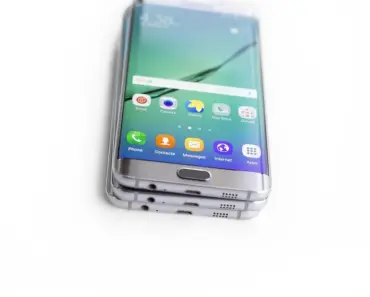
Flagship smartphones have evolved into marvels of optical and thermal engineering. With 50-megapixel primary sensors, periscope telephoto assemblies, and high-CRI (Color Rendering Index) camera flashes, mobile devices are capable of illuminating pitch-black environments with stunning clarity. However, as camera modules grow more sophisticated, reports from hardware teardown enthusiasts and power users have spotlighted an unexpected hardware concern: can an extended-use smartphone flashlight cause localized thermal damage to internal components and camera glass?
Recent teardown investigations and consumer reports surrounding modern flagship devices, including the Pixel 10 Pro series, have brought renewed scrutiny to how high-output SMD (Surface-Mount Device) LEDs behave under prolonged operation. While smartphones incorporate automated thermal safeguards, understanding the physics of localized heat transfer, optical adhesive resilience, and vapor chamber dissipation explains why flashlights require prudent usage in extreme situations.

The Physics of Smartphone LED Heat Generation
A common misconception is that LED lighting generates no heat. While LEDs are vastly more energy-efficient than incandescent filaments, high-intensity micro-LEDs convert approximately 70% to 80% of electrical energy into thermal heat rather than visible light. When squeezed into a millimeter-thin glass camera visor, thermal dissipation becomes a formidable physics problem:
| Operating State | Electrical Power Draw | Luminous Output (Lumens) | Localized LED Junction Temp | Thermal Throttling Behavior |
|---|---|---|---|---|
| Camera Strobe (Burst Flash) | 2.5W – 4.0W (Instantaneous) | 150 – 250 Lumens | Spikes to 65°C – 80°C (for ~200ms) | None (Duration too brief to overheat chassis) |
| Standard Torch Mode (Default) | 0.3W – 0.6W (Continuous) | 30 – 50 Lumens | Stabilizes at 38°C – 44°C | Passive dissipation via metal frame |
| Max-Brightness Torch / App Bypass | 1.2W – 2.0W (Continuous) | 80 – 120 Lumens | Exceeds 75°C – 90°C locally | Firmware step-down after 2–5 minutes |
| Flashlight Left On In Confined Space | Continuous load (No airflow) | Throttled to 20 Lumens | Chassis soak: 50°C+ ambient | Critical thermal shutdown triggered |
4 Vulnerable Points Under Sustained Thermal Stress
1. Optical Adhesive Degradation (Delamination)
Modern smartphone camera bars use specialized UV-cured structural optical adhesives to bond sapphire or Gorilla Glass lens covers to the aluminum unibody. When an LED operates at maximum brightness for extended periods without adequate convective airflow, localized temperatures can weaken these adhesives over repetitive heating/cooling cycles, potentially compromising IP68 water-resistance seals.
2. Fresnel Diffuser Lens Warping
To spread light evenly, smartphone flashlights employ tiny plastic Fresnel or polycarbonate diffuser lenses situated directly above the LED chip. Unlike tempered glass covers, optical polycarbonate has a lower glass transition temperature. Sustained high-intensity thermal exposure can cause micro-crazing or subtle yellowing of the diffuser element, reducing flash clarity in photography.
3. Image Sensor Proximity and Dark Current Noise
Because the LED assembly sits within millimeters of the primary camera sensor, thermal bleed from the flash module warms the silicon image sensor. Elevated sensor temperatures increase dark current noise, leading to grainier low-light photos if the user attempts to shoot images immediately after running the flashlight continuously.
4. Battery Pack Thermal Proximity
Smartphone lithium-ion batteries degrade rapidly when subjected to sustained ambient temperatures above 45°C. If a device is placed face-up on a soft insulating surface (such as a bed or sofa) with the flashlight running continuously, heat cannot dissipate through the glass back, accelerating battery capacity aging.
Best Practices: How to Protect Your Device
- Avoid 3rd-Party ‘Super Bright’ Flashlight Apps: Use only the native operating system flashlight toggle. Third-party utility apps often manipulate system camera APIs to force the LED into strobe-level wattage for sustained periods, bypassing manufacturer thermal safety governors.
- Never Leave the Flashlight On While Resting on Insulating Materials: If you use your phone as a nightlight or work light, lean it against a metal or stone surface where heat can dissipate, rather than laying the camera bar flat against fabric or wood.
- Utilize Native Brightness Sliders: Both Android and iOS include native brightness adjustments for the flashlight. Operating at 50% brightness cuts heat generation by more than half while providing ample light for navigating dark rooms.
- Inspect Camera Bar Seals: If you frequently rely on your phone in rugged outdoor environments, periodically inspect the camera visor glass for any signs of condensation or adhesive separation.
The Engineering Verdict
Under standard daily operating conditions, modern smartphone flashlights are protected by robust firmware governors that automatically throttle current long before permanent physical damage can occur. However, the laws of thermodynamics cannot be ignored: continuous high-power LED usage in unventilated environments places severe stress on adhesives and optical plastics. Practicing basic thermal hygiene ensures your device maintains peak performance and watertight integrity for years to come.