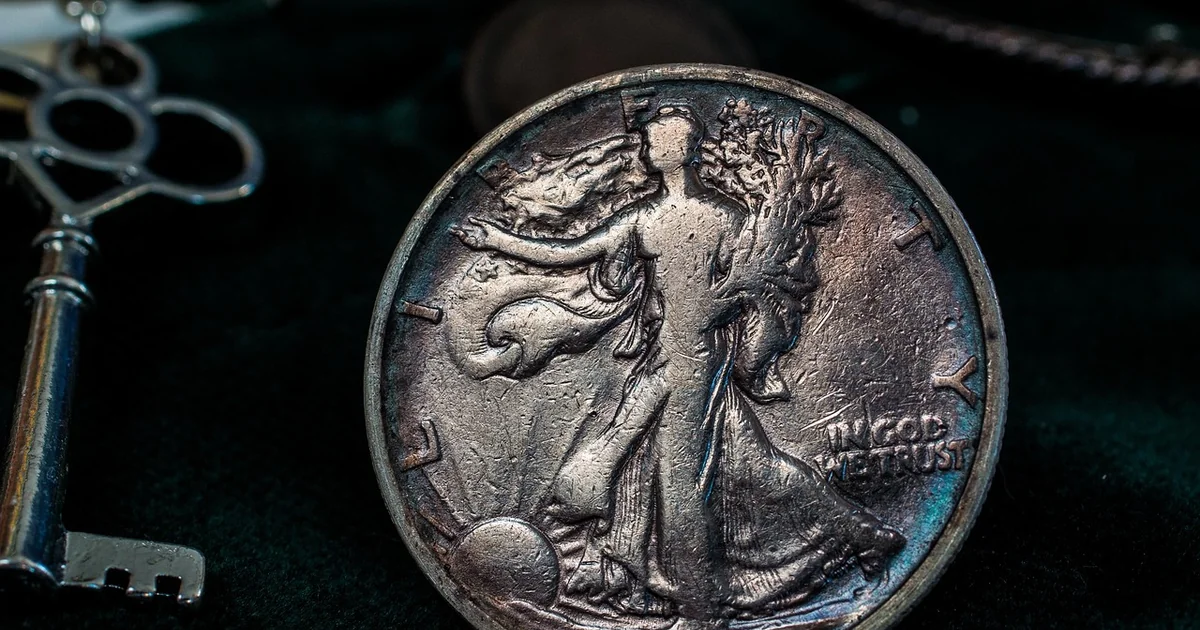
Starting tomorrow, May 12, the U.S. Mint will begin public sales of a new dollar coin that honors one of the most influential figures in modern technology. This American Innovation $1 coin recognizes Steve Jobs, the co-founder of Apple, as the representative for the state of California. Whether you are a seasoned collector, a longtime Apple enthusiast, or simply someone who appreciates the history of invention, this steve jobs dollar coin offers a tangible connection to a man who reshaped the way we interact with technology. But how exactly can you get one? Let us walk through three distinct paths you can take to secure this piece of numismatic history.
The Story Behind the Steve Jobs Innovation Coin
The U.S. Mint launched the American Innovation $1 Coin Program back in 2018. The goal was straightforward: honor pioneering efforts and breakthrough ideas from every state, the District of Columbia, and the five U.S. territories. This program takes a broad view of innovation, covering everything from scientific discoveries to engineering marvels and agricultural advancements.
Past honorees have included the lightbulb for New Jersey, the Hubble Space Telescope for Maryland, and the agricultural research of George Washington Carver for Missouri. This year’s roster highlights four distinct contributions. Dr. Norman Borlaug represents Iowa for his work in agronomy. The Cray-1 supercomputer represents Wisconsin. Mobile refrigeration technology represents Minnesota. And for California, the state chose Steve Jobs.
California Governor Gavin Newsom explained the choice with a statement that captured the spirit of the decision. “The innovative and entrepreneurial spirit of Steve Jobs embodied the best of California, creating the future we all know today,” Newsom said. “His tenacity and fearless pursuit of the California Dream made so many American dreams possible. May we all attempt to fill his shoes as we seek our own California Dreams.” This connection between a person and their state’s unique culture is what makes the American Innovation series so compelling.
For California, a state synonymous with Silicon Valley and technological disruption, Steve Jobs was a natural fit. The steve jobs dollar coin serves as a numismatic tribute to the intersection of technology, design, and entrepreneurship. It is not just a coin; it is a representation of an era defined by personal computing, mobile communication, and digital music.
Three Paths to Acquire the Steve Jobs Dollar Coin
Depending on your goals — whether you want a guaranteed specimen, a carefully preserved collectible, or a lucky low-cost find — you have three main routes available. Let us break down each one so you can decide which approach fits your situation best.
Path 1: Order Bags and Rolls Directly from the U.S. Mint
The most reliable and direct method is to place an order through the official U.S. Mint website on or after May 12. This path ensures you receive the coin at the official issue price with no middleman markup. It is the safest way to guarantee you get one, especially if demand runs high.
You have two primary packaging options. First, a 100-coin bag priced at $154.50. Second, a 25-coin roll priced at $61.00. These are considered circulating quality coins. That means they are struck to the same standard as coins you might receive as change, rather than specially polished proof coins intended strictly for display. Many collectors appreciate this because it means the coin is durable enough to handle without losing its appeal.
You will also need to choose a mint mark. Coins minted in Philadelphia use product codes 26GBC for the bag and 26GRC for the roll. Coins minted in Denver use product codes 26GBG for the bag and 26GRG for the roll. Experienced collectors often buy both options to compare the subtle differences in strike quality between the two facilities. Some believe one facility produces sharper details on certain series, so having both allows for a direct side-by-side comparison.
One critical rule to remember: the U.S. Mint limits orders to 10 bags and 10 rolls per household. If you plan to buy in bulk for gifts or resale, keep this limit in mind. Given the global popularity of Steve Jobs, these coins may sell out quickly during the initial release window. Early ordering is advisable. The Mint typically ships new releases on a first-come, first-served basis, and high-demand titles can sometimes have a production window of 8 to 12 weeks. Patience is key if you order right at launch.
Path 2: Explore the Secondary Market for Graded or Single Specimens
If you miss the initial sale or prefer to purchase a single coin rather than a full roll or bag, the secondary market is your next stop. This includes online platforms like eBay, dedicated coin dealer websites, and local coin shows. This path offers more flexibility but requires a bit of research and caution.
Why would someone choose this route? One common reason is the desire for a professionally graded coin. Services like PCGS (Professional Coin Grading Service) or NGC (Numismatic Guaranty Corporation) evaluate the coin’s condition and encapsulate it in a protective holder. A coin graded Mint State 69 or Mint State 70 often holds a higher value and provides assurance of its quality for long-term preservation. If you plan to keep the coin for decades, a graded specimen gives you peace of mind.
You may also enjoy reading: Echo Tech Salary: Comparing Sonography Specialties for Maximum Pay.
Another reason is convenience. Buying a single steve jobs dollar coin on the secondary market allows you to skip the minimum quantities required by the Mint. You do not have to buy 25 or 100 coins. You simply buy the one you want. However, be prepared to pay a premium, especially in the first few weeks following the release. Market demand often inflates prices above the initial issue cost. Early adopters who want immediate gratification often pay a bit more.
If you choose this path, do your research. Check a seller’s reputation carefully. Compare prices across multiple listings. Be wary of listings that seem too good to be true. For a highly anticipated coin like this, counterfeit risks are low initially but increase over time as more people try to cash in on the demand. Stick with established dealers or sellers with a long track record of positive feedback.
There is also the possibility that the U.S. Mint releases proof or uncirculated versions of the American Innovation coins later in the year. Collectors who want the absolute best strike quality often wait for these enhanced versions. If you are not in a hurry, holding off until the full lineup is announced might save you money and get you a higher-quality piece.
Path 3: Find One in Circulation Through Your Local Bank
Because the U.S. Mint is releasing these coins as circulating quality, they are intended to enter the general money supply through the Federal Reserve. This opens up a third path: the thrill of the hunt. This approach takes patience and a little bit of luck, but it costs only the face value of the coin.
Your local bank is the starting point. Walk in and ask to purchase a roll or box of $1 coins. The teller might hand you a standard Sacagawea or Presidential dollar roll, but if you are lucky, you will find the new California innovation coins mixed in. Some collectors even visit multiple banks over several weeks to increase their chances of finding new releases.
Will this be easy? Statistically, no. Dollar coins do not circulate widely in the United States. Most people prefer paper currency for everyday transactions. However, the Federal Reserve does distribute these coins to banks. If a bank customer deposits a roll of dollar coins from a retail register, a teller may hold onto them or accidentally pass them along to the next person who asks for dollar coins.
This method requires patience, persistence, and a friendly relationship with your bank tellers. Be polite when asking. If they know you are a collector, they might set aside interesting coins they come across. Some collectors leave a small thank-you gift or a tip for the teller as a gesture of appreciation. Over time, this approach can yield surprising results. You might also find other gems from the American Innovation series along the way.