As the world’s energy demands continue to escalate, the search for innovative solutions to meet our growing needs has led to a renewed interest in nuclear power. The industry’s early history holds a surprising secret: nuclear reactors were originally designed for the most unforgiving environment of all – the ocean. Specifically, the technology that powers most of our current nuclear power plants was first developed for nuclear submarines. This fascinating fact has sparked a new approach to nuclear energy infrastructure, one that could potentially revolutionize the way we build and deploy reactors – by constructing them in shipyards.
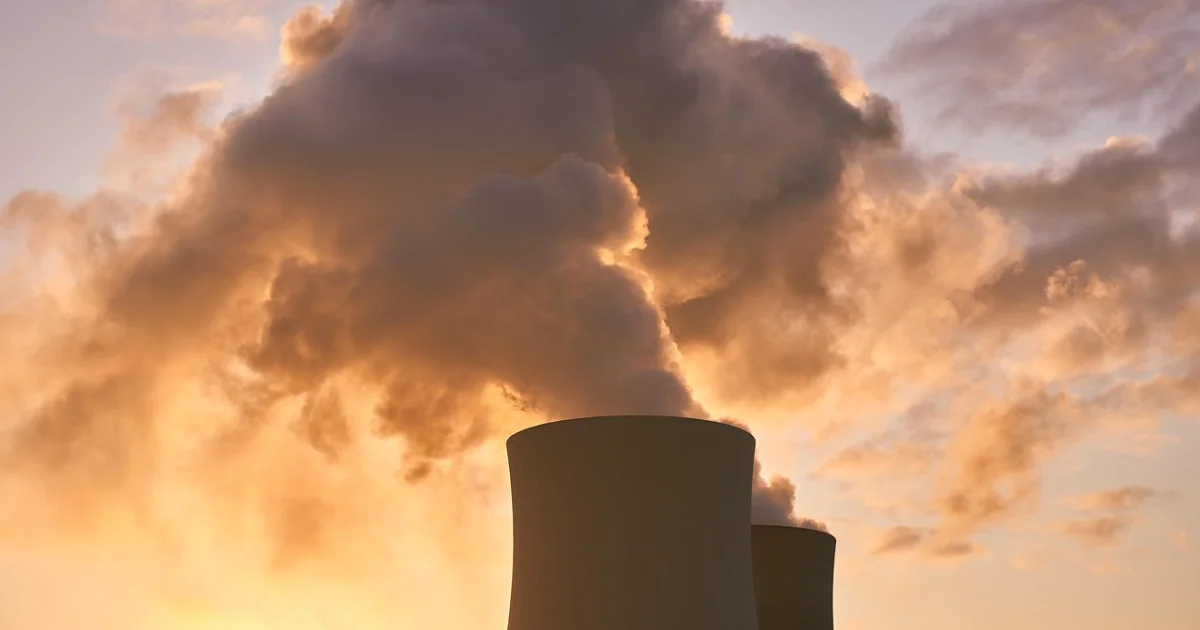
Revolutionizing Nuclear Energy with Shipyard-Built Reactors
A Brief History of Nuclear Reactor Development
While the notion of building nuclear reactors in shipyards may seem novel, it’s rooted in the industry’s early days. The development of nuclear reactors for submarines in the 1950s and 60s laid the groundwork for modern nuclear power plants. By understanding how these early reactors were designed, we can appreciate the advantages of shipyard construction. In the 1960s, the US Navy’s nuclear-powered submarines required compact, efficient reactors that could withstand the harsh marine environment. The result was the development of light water reactors (LWRs), which have since become the most common type of nuclear reactor in the world.
These early reactors were designed to be compact, reliable, and easy to maintain. They utilized a pressurized water reactor (PWR) design, which has been the basis for most commercial nuclear power plants since the 1970s. The LWR’s success can be attributed to its ability to operate efficiently in a controlled environment, where the cooling system can maintain a stable temperature and pressure. This design has been replicated in various forms, with some modifications, to power commercial nuclear power plants.
Shipyard Construction: A New Approach to Nuclear Energy Infrastructure
Blue Energy, a startup led by co-founder and CEO Jake Jurewicz, is pioneering a new approach to nuclear energy infrastructure by constructing reactors in shipyards. This innovative method aims to reduce construction costs and speed up the deployment of nuclear power plants. By leveraging the expertise of shipyards, Blue Energy hopes to create a more controlled environment for building reactors, paving the way for automation and greater cost savings.
The idea of building reactors in shipyards is not new, but it’s an approach that has gained traction in recent years. Shipyards have long been involved in the construction of complex industrial projects, including offshore oil and gas platforms, wind turbines, and even entire ships. Blue Energy’s approach is to apply the same principles to nuclear reactors, taking advantage of the shipyard’s controlled environment and expertise in heavy construction.
The Benefits of Shipyard-Built Reactors
So, what are the benefits of building nuclear reactors in shipyards? Firstly, it minimizes the amount of construction required on-site, reducing the risk of delays and cost overruns. By centralizing the construction process in a controlled environment, Blue Energy can also move towards automation, reducing labor costs and improving efficiency. Additionally, the shipyard setting allows for a more stable and predictable construction schedule, which is essential for project financing.
Let’s consider a hypothetical scenario: a project manager facing challenges in building a nuclear power plant in a remote location. The lack of infrastructure, skilled labor, and logistical complexities can make such projects treacherous. By leveraging shipyard construction, the project manager can tap into the expertise and resources of a well-established industry, reducing the risks associated with remote construction sites.
Addressing Concerns About Safety and Cost
One of the primary concerns surrounding shipyard-built reactors is safety. How do we ensure that these reactors meet the necessary safety standards, particularly in a controlled environment? The answer lies in the design and construction process. By utilizing existing reactor designs, such as the LWR, and incorporating modern safety features, Blue Energy can ensure that their reactors meet or exceed current safety regulations.
Regarding cost, Blue Energy’s approach aims to bring down construction costs, which have skyrocketed for nuclear power in recent decades. The company’s plan is to centralize construction in a controlled environment, reducing labor costs and improving efficiency. By leveraging shipyard expertise and minimizing on-site construction, Blue Energy hopes to achieve significant cost savings, making nuclear power more competitive in the energy market.
You may also enjoy reading: "7 Reasons Framework's Laptop Pro Is Revolutionizing the PC Game Beyond MacBook".
Overcoming Challenges in the Nuclear Energy Industry
The nuclear energy industry has faced numerous challenges in recent years, including high construction costs, safety concerns, and public perception. By leveraging shipyard construction, Blue Energy is addressing some of these challenges head-on. The company’s approach can help reduce construction costs, improve safety, and increase the efficiency of nuclear power plants.
Consider a reader who is concerned about the environmental impact of traditional nuclear power plants. They may be interested in knowing how shipyard-built reactors can mitigate these concerns. By utilizing existing reactor designs and incorporating modern safety features, Blue Energy can ensure that their reactors meet or exceed current environmental regulations. Additionally, the controlled environment of the shipyard can help minimize waste production and reduce the risk of accidents.
Financing and the Future of Shipyard-Built Reactors
Blue Energy’s approach has been attracting interest from project financiers, who see the potential for cost savings and improved efficiency. The company’s plan to bring down construction costs is a key factor in securing financing. By reducing the risk associated with nuclear power plant construction, Blue Energy can make their project more attractive to investors.
As the world continues to grapple with the challenges of meeting growing energy demands, shipyard-built reactors offer a promising solution. By leveraging the expertise of shipyards and the controlled environment of these facilities, Blue Energy can help reduce construction costs, improve safety, and increase the efficiency of nuclear power plants. This innovative approach has the potential to disrupt the nuclear energy industry, making it more competitive and sustainable for the future.
Conclusion
The development of shipyard-built reactors is an exciting and innovative approach to nuclear energy infrastructure. By understanding the history of nuclear reactor development, the benefits of shipyard construction, and the challenges faced by the industry, we can appreciate the potential of this new approach. Blue Energy’s commitment to bringing down construction costs and improving efficiency makes their project an attractive option for project financiers and the energy industry as a whole.
As we look to the future of energy production, it’s clear that shipyard-built reactors will play a significant role in meeting our growing demands. By harnessing the expertise of shipyards and the controlled environment of these facilities, we can create a more sustainable and efficient energy future. The potential benefits of this approach are vast, and it’s an area that deserves further exploration and investment.