On paper, the Light Phone III sounds like every distraction-free dream come true: no app stores, no social media, and no unrestricted internet browser. It promises a genuine digital detox experience by simply blocking the very gateways to endless scrolling. Yet when you look at what it actually packs — a color 3.92-inch AMOLED touchscreen, 5G connectivity, and a 50-megapixel rear camera alongside an 8-megapixel front shooter — the lines start to blur.
Design and Build Quality: Premium Materials Meet Minimalist Philosophy
From the moment you pick up the Light Phone III, it’s clear this isn’t a cheap plastic throwaway. The build quality rivals that of premier smartphones like the iPhone and Pixel, which is a surprising move for a device built on simplicity. You get a solid, reassuring heft that suggests durability, not fragility. The materials feel carefully chosen — a matte finish that resists fingerprints and a frame that feels both sturdy and refined. This is a dumbphone that doesn’t look or feel like a toy.
Weight and Dimensions: How It Feels in Hand
Portability is a key concern for any phone you carry daily, and the Light Phone III strikes a practical balance. It’s not overly heavy, but it has enough weight to feel substantial without being a burden in your pocket. The dimensions are compact enough for one-handed use, which is a relief if you’re used to oversized slabs. You can grip it comfortably, and the rounded edges help it sit naturally in your palm. This design choice makes it easy to slip into a small bag or jeans pocket without that awkward bulge.
Durability and Water Resistance
Minimalist philosophy doesn’t mean fragile. The Light Phone III uses premium smartphone materials that give it a robust feel, similar to what you’d expect from a top-tier device. While it’s not marketed as rugged, the build quality suggests it can handle daily bumps and drops better than many budget phones. Water resistance is also part of the package, so a splash from the sink or a sudden rain shower won’t spell disaster. This practical durability means you can carry it without constant worry, which aligns well with the device’s goal of reducing stress. In this Light Phone III review, the design stands out as a thoughtful blend of minimalist philosophy and real-world resilience.
Camera Performance: A Surprising Step Up for a Dumbphone
That durable exterior also houses a camera system that might make you do a double-take. With a 50-megapixel rear-facing camera and an 8-megapixel front-facing shooter, the Light Phone III challenges the notion that dumbphones can’t take good photos. These specs are a significant leap from the basic VGA or 2MP sensors found on most minimalist phones. You get a rear camera that can capture enough detail for social media posts or quick snapshots of your day, and a front camera that handles video calls and selfies without looking like a pixelated mess.
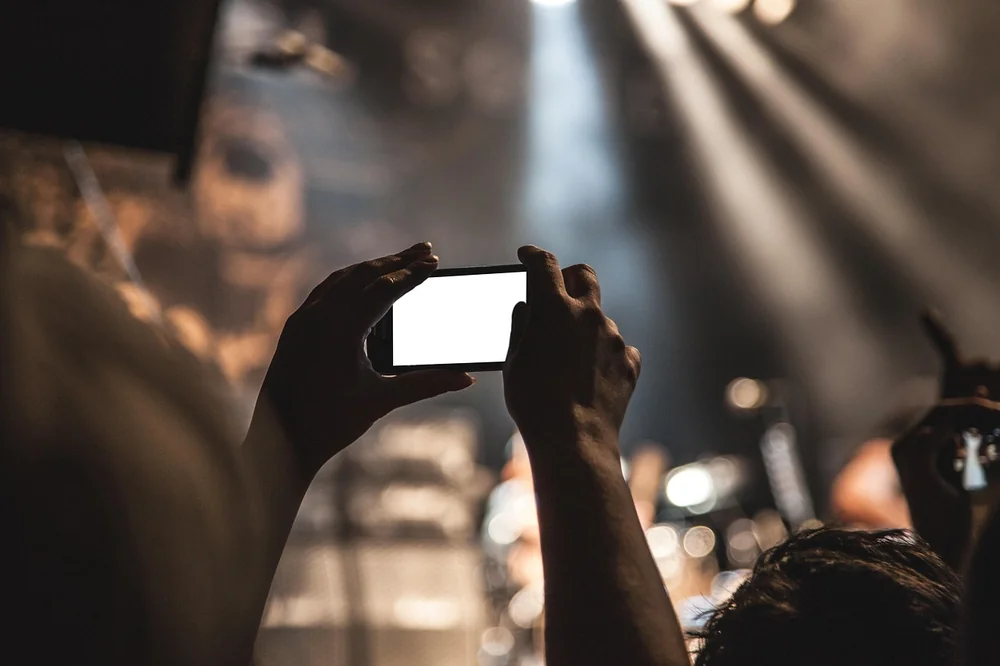
Photo Quality Compared to Modern Smartphones
Let’s be clear: this isn’t going to replace a flagship smartphone camera. The Light Phone III camera won’t match the computational photography magic of a modern iPhone or Pixel. What it does offer is a solid, no-fuss shooting experience. In good lighting, you can expect sharp, well-exposed images that look natural rather than over-processed. The 50-megapixel sensor gives you room to crop into photos without losing too much detail, which is a practical advantage for a device that encourages you to shoot and move on. Low-light performance is where the gap shows — you’ll see more noise and less detail compared to a high-end phone. But for a dumbphone, this is a genuinely capable camera that handles everyday moments well.
Video Capabilities and Limitations
Video recording is another area where the Light Phone III steps up. The rear camera shoots 1080p video at 30 frames per second, which is a solid standard for casual clips. You can capture clear footage of a family gathering or a walk in the park without the footage looking dated. There’s no 4K option or high frame rate for slow motion, so don’t expect cinematic quality. The 1080p video recording is practical and reliable — it gets the job done for quick memories. The front-facing 8-megapixel camera also handles video calls at a decent resolution, making this dumbphone more usable for staying in touch visually. While it won’t replace your main camera for serious photography, the Light Phone III camera system is a welcome upgrade that makes the device feel less like a compromise and more like a thoughtful tool for intentional living.
Software and App Ecosystem: What You Can (and Can’t) Do
That intentional mindset extends beyond the camera into the entire software experience. In this Light Phone III review, the software is where the device truly defines itself as a tool for digital detox. You won’t find an unrestricted app store or an internet browser here. This means no social media feeds, no endless scrolling, and no notification loops. What you do get is a carefully curated set of tools designed to handle essential communication and media without pulling you into the digital whirlpool.

Messaging and Communication Tools
When it comes to staying in touch, the Light Phone III keeps things simple. It supports SMS and MMS for basic texting and picture messages. However, you should note that popular messaging apps like WhatsApp are not available. This is a deliberate choice to maintain focus on distraction-free interaction. The dumbphone software prioritizes direct, intentional communication over the chaos of group chats and read receipts. If your circle relies heavily on WhatsApp, you might need to adjust your expectations, but for many, the simplicity is a welcome relief.
Music and Media: Bluetooth and Storage Options
Music streaming services like Spotify are not supported, so you can’t rely on on-demand playlists. Instead, the Light Phone III includes Bluetooth for downloading music from your computer or other sources and connecting wireless headphones. This gives you control over your audio library without the algorithms. Additionally, the device has GPS for built-in navigation, ensuring you can find your way without pulling out your main phone. The digital detox features here are practical: you get the essentials, but nothing that tempts you to stray from the moment. The Light Phone III apps are limited by design, but they cover the basics for a more intentional daily routine.
Connectivity and Performance: 5G, GPS, and Call Quality
With the apps covering just the essentials, the real test of a phone like this is how well it handles the basics of staying connected. The Light Phone III includes 5G and GPS, which sounds very modern for a device designed to limit screen time. The question is, does it actually work well in everyday use without feeling like a compromise?

The Light Phone III 5G support means you get fast data speeds when you need them. Browsing a map, sending a photo via message, or streaming a short podcast all feel snappy. This is a noticeable upgrade from older dumbphones that often lag on slower networks. You don’t have to wait around, so the experience stays efficient rather than frustrating. For navigation, the built-in GPS is a practical addition. You can get turn-by-turn directions to your destination without opening a full smartphone map app. This makes dumbphone navigation surprisingly straightforward – it gives you just enough guidance to reach your location without extra clutter.
Cellular Reception and Call Clarity
A phone is still a phone, so call quality matters. The Light Phone III handles this part well. In daily use, cellular reception is reliable, and voice calls come through clear and stable. You won’t miss words or deal with static during conversations. The earpiece and speaker produce natural-sounding audio, which is a relief if you make a lot of calls. This strong call quality dumbphone performance helps the device serve its primary function without headaches.
Carrier Compatibility: Verizon, T-Mobile, AT&T
To get the most out of the Light Phone III, you need a compatible carrier. The device works with major US networks including Verizon, T-Mobile, and AT&T. This flexibility means you can likely keep your existing plan or choose a provider that suits your coverage area. Setting it up is straightforward – just insert your SIM card and follow the prompts. Overall, the connectivity here is solid: you get modern speeds and clear calls, but without the distractions that come from a full smartphone interface.
Battery Life and Storage: How Long Does It Last and How Much Can You Store?
Battery life is a key concern for any phone, and the Light Phone III’s storage capacity must accommodate your essentials. While the exact battery capacity and how long it lasts in real-world use remain unspecified in this review, it is a critical factor to consider. Generally, a phone that does less tends to last longer, so you can expect reasonable endurance from a device designed for simplicity. The real test comes from how you use it — keeping the screen dimmer and using the phone primarily for calls and texts will stretch that battery further. For a practical daily driver, you will want to charge it nightly to be safe, but you should not need to hunt for a charger by mid-afternoon.
Battery Capacity and Real-World Usage
Since the Light Phone III strips away power-hungry apps and background processes, its battery should hold up well under normal use. You are not running streaming video, GPS navigation, or social media feeds, so the drain is minimal. However, the phone still has a color display and wireless connectivity, which do consume power. If you rely on the hotspot feature or make long calls, expect the battery to deplete faster. A good rule of thumb is to treat it like a basic phone: charge it overnight, and it will get you through a typical day without anxiety.
Expandable Storage and Headphone Jack
On the storage front, the Light Phone III comes with 128GB of onboard storage. That is generous for a dumbphone and gives you plenty of room for your music library, podcasts, and a few photos. You will not need to worry about running out of space for essential files. Additionally, the inclusion of a headphone jack means you can plug in wired headphones directly, saving your battery from Bluetooth drain. This combination of ample storage and a classic audio port makes the Light Phone III a practical choice for anyone who values simplicity without sacrificing the ability to carry their media with them.
Frequently Asked Questions
Can I install any apps on the Light Phone III?
The Light Phone III runs a minimalist operating system that only supports its own suite of essential tools. You cannot install third-party apps like you would on a smartphone. The phone comes with built-in apps for calls, texts, navigation, music, and a few other utilities, but no app store.
How does the Light Phone III’s camera compare to a modern smartphone camera?
The Light Phone III’s camera is designed for basic documentation, not for high-quality photography. It captures images that are sufficient for sharing or reference, but lacks the advanced sensors, processing, and features of a modern smartphone camera. If photography is important to you, you will likely prefer a smartphone.
Does the Light Phone III work with all carriers?
The Light Phone III supports GSM carriers like T‑Mobile and AT&T, as well as Verizon’s network. However, compatibility depends on the specific bands used by your carrier. Check with your carrier to ensure the phone supports their network before purchasing.