Memorial Day weekend often sparks a flurry of yard improvements. After a long winter, many homeowners look at their patchy grass, struggling fruit trees, or awkward garden layouts and wonder where to start. To help you cut through the confusion, we asked professional horticulturists and lawn specialists to tackle five of the most common lawn care questions they hear every season. Their answers cover everything from robotic mowers to pear rust and tricky slopes, so you can spend less time worrying and more time enjoying your outdoor space.
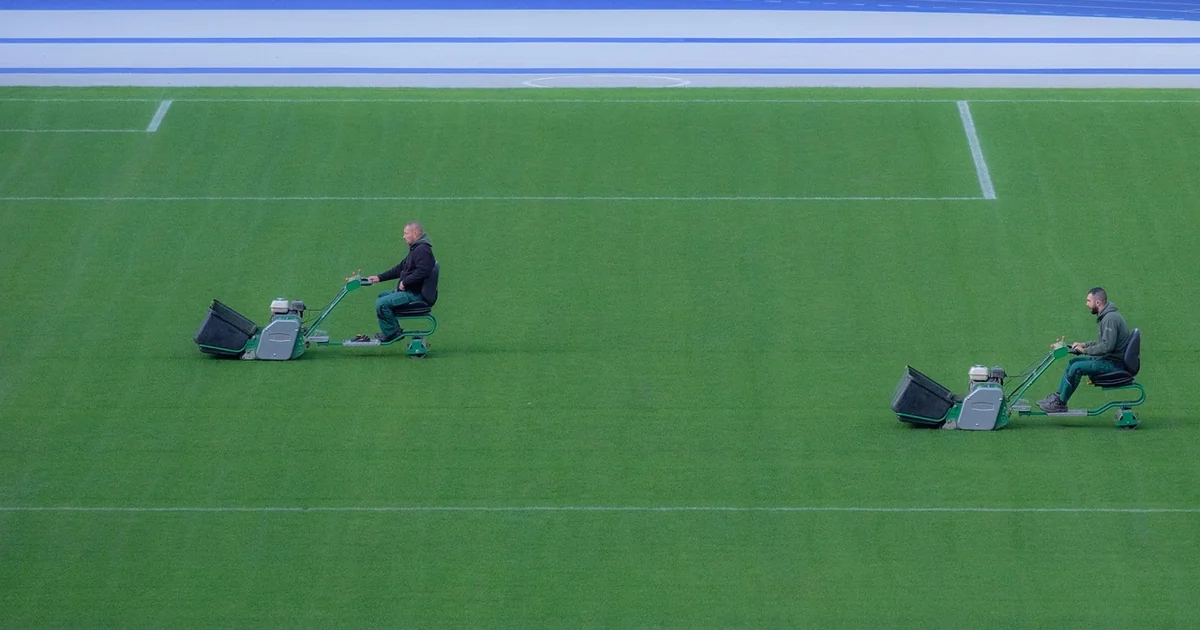
Expert Answers to Five Frequent Lawn Care Questions
Below you will find five real-world scenarios that stump homeowners year after year. Each answer comes from a subject-matter expert who works daily with grass, trees, and garden layouts.
Are cheap robot lawn mowers worthwhile?
Robot mowers have become a hot topic in budget garden circles, with models appearing at discount retailers for under £500. The simple answer is yes, they can be a great investment, but only if you understand the trade-offs. According to lawn-care specialist Jonathan Davis, the biggest advantage of a robot mower is its daily trimming routine. Instead of a weekly cut that removes a third or more of the leaf blade, a robot snips just a tiny amount each day. This steady cropping encourages the grass to tiller and fill in, creating a denser, healthier turf over time.
The catch is installation. You will need to lay a boundary wire around the perimeter of your lawn, and that process takes one to two hours of patient, fiddly work. If the wire is not buried or stapled securely, it can shift and cause the mower to stray. Height settings also matter. In the heat of summer, set the cutting deck higher so the grass retains moisture. Many basic models only offer one or two fixed heights, so check before you buy.
Weeds remain a challenge because the mower drops clippings rather than collecting them. Daily mowing will cut off the seed heads of many annual weeds before they mature, but perennial weeds like dandelions may still pop through a gap. A smart workaround is to run the robot every day and then pull out your old manual mower with a grass box for one or two weeks each spring to collect the debris. Under £500, a robot mower is a solid choice if you dislike weekly mowing. Keep your manual mower as a backup for when you feel like doing it yourself.
How do I control pear rust without harming the fruit?
Pear rust is one of the most alarming diseases a backyard grower can encounter. It appears as bright orange spots on the upper leaf surface and causes swollen, lumpy growth underneath the leaf. The fungus responsible needs both a pear tree and a juniper tree to complete its life cycle. The juniper hosts the fungus during winter; in spring it releases spores that infect the pear. If you have a juniper within about 300 metres, that is likely the source.
If you plan to eat the fruit – and most pear owners do – avoid fungicides. Instead, prune out all affected leaves and small branches as soon as you see the orange spots. Do not toss the pruned material into your compost pile, because the spores can survive and reinfect your tree next year. Bag it and send it to the green waste facility. The most permanent fix is to remove the juniper if it is on your property. If the juniper belongs to a neighbour, you can try negotiating a removal, but that may be difficult. In that case, vigilant pruning each spring is your best bet. Note that pear rust rarely kills a mature tree, so even if the foliage looks terrible for a few seasons, the fruit should remain safe to eat.
How can I widen a narrow, sloping garden path safely?
A narrow garden on a hill presents two problems at once: limited usable width and a drop-off that makes the path feel unsafe. This scenario is common in older homes built on slopes, especially in cities like Bristol in South-West England. The trick is to tackle both issues together. Start by removing any border shrubs that crowd the path. Many gardens have overgrown evergreens that steal space and light. Replace them with climbing plants such as clematis, which grow vertically and free up ground-level real estate.
Next, raise the soil level against the path to close the drop. Build up topsoil gradually, using a mixture of screened topsoil and compost, until it reaches the same height as the concrete or stone path. This eliminates the trip hazard and gives you a wider, level surface that feels much more generous. Be sure to compact the soil in layers to prevent future settling. You can then plant low-growing perennials or ground covers on the raised area to hold the soil in place. On a steep hill, a slightly elevated path with soft edges feels safer than a narrow strip with a sharp drop.
You may also enjoy reading: 7 Ways Mira Murati Keeps Humans in AI Loop.
Why does my lawn look patchy after winter, and what can I do?
Patchy lawns in early spring are almost always caused by a combination of snow mold, soil compaction, and winterkill of shallow-rooted grass varieties. Snow mold appears as circular, matted patches of grey or pinkish fungus that develop under prolonged snow cover. The fix starts with raking the dead material out vigorously with a spring-tine rake. This aerates the surface and lets sunlight reach the soil. Once the temperature stays above 10°C, overseed the patches with a mix that matches your existing grass type. For cool-season lawns, a blend of perennial ryegrass and fine fescue works well because both germinate quickly – ryegrass in about 7 to 10 days, fescue in 12 to 14 days.
Compaction is another hidden culprit. After months of rain and freeze-thaw cycles, the soil becomes dense and water cannot drain. Use a manual or electric core aerator to pull plugs of soil from the affected areas. Spread a thin layer of compost over the top – about half a centimetre – and let rain wash the nutrients down into the holes. Water the overseeded areas lightly every day for the first two weeks. Do not apply a high-nitrogen fertiliser until the new grass reaches 8 centimetres tall, or you risk burning the tender roots.
Is it better to mow high or low during a summer heatwave?
Many homeowners think a close shave saves water. In reality, tall grass is far more drought-resistant. Grass blades are the plant’s solar panels. When you cut them short, the plant loses its ability to photosynthesise and must tap root reserves to regrow. During a heatwave, raise your mower deck to its highest setting, typically 7.5 to 10 centimetres for cool-season varieties. Longer blades shade the soil, reducing evaporation by as much as 30 percent. They also encourage deeper root growth. A study from the University of Arkansas found that turf mowed at 8 centimetres had roots 40 percent deeper than turf mowed at 5 centimetres.
Follow the one-third rule: never remove more than one-third of the leaf blade at any single mowing. If your grass is already long from a missed week, cut it gradually over two sessions spaced three days apart. Avoid mowing in the middle of the day when the sun is high and the grass is stressed. Early morning or late afternoon is best. Leave the clippings on the lawn – they return moisture and nutrients to the soil. If you absolutely must collect clippings because of a weed problem, make sure to return them to the lawn after composting, or spread a light layer of compost to replenish what you removed.
These five scenarios cover the spectrum of lawn care questions that arise most often at the start of the growing season. Whether you are investing in a robot assistant, fighting a fungal disease, or reshaping a challenging slope, the principles are the same: understand your local conditions, choose the right tools, and work with nature rather than against it. Your garden will thank you with richer colour and stronger growth.