The evolution of smartphone design has long been a tug-of-war between two competing philosophies: the desire for a razor-thin, pocketable device and the relentless pursuit of professional-grade hardware. For years, manufacturers have pushed the boundaries of miniaturization, trying to cram increasingly complex components into ever-slimmer chassis. However, we are approaching a physical limit where the laws of optics and sensor size simply refuse to cooperate with ultra-thin profiles. This tension is becoming remarkably evident as we look toward the next generation of flagship mobile technology.
The Physics of Photography and the Expanding Camera Plateau
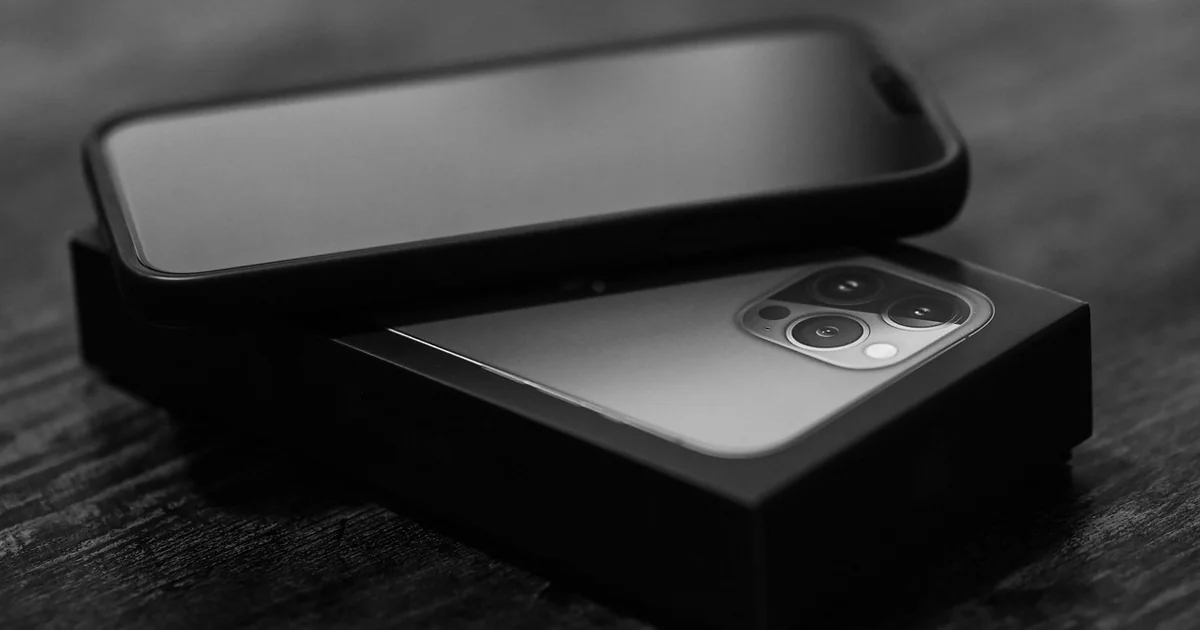
When we look at the recent shifts in mobile industrial design, a clear pattern emerges. The iphone 18 pro max is expected to break the trend of incremental thinning, instead opting for a more substantial physical presence. This change is not a design flaw or a lack of engineering prowess; rather, it is a calculated decision to prioritize optical excellence over aesthetic slimness. The primary driver behind this change is the camera plateau, the raised section on the back of the device that houses the lens array.
To understand why this is happening, we must look at the science of light. A digital camera sensor requires a specific amount of physical space to capture light effectively. While software processing, often referred to as computational photography, has made incredible strides, it cannot replace the fundamental need for large glass elements and deep sensor wells. As Apple aims to bridge the gap between smartphones and dedicated DSLR cameras, the hardware must grow. A larger sensor requires a larger lens, and a larger lens requires more depth to prevent light distortion and vignetting.
According to recent data derived from dummy units analyzed by industry observers like Vadir Yuryev of Max Tech, the physical dimensions of the camera module are set to increase significantly. The measurements suggest that the total depth of the camera system on the iphone 18 pro max could reach approximately 13.77mm. When compared to the 12.92mm depth seen in the previous generation, the increase is palpable. Even the plateau itself, the housing that sits atop the phone’s body, is expected to grow from 11.23mm to 11.54mm.
This shift represents a fundamental change in how flagship users interact with their devices. We are moving away from the era of “everything must be thin” and entering an era of “everything must be capable.” For the professional photographer or the content creator, these extra millimeters are not a burden but a necessary trade-off for better low-light performance, improved optical zoom, and higher dynamic range.
Why Sensor Size Dictates Device Thickness
Every time a manufacturer increases the sensor size, they are essentially increasing the “bucket” that catches light. A larger bucket can catch more photons, which results in cleaner images with less digital noise, especially in challenging environments like dimly lit rooms or during sunset. However, a larger bucket is physically deeper. If you attempt to place a large, deep sensor into a thin phone, the lens must be extremely close to the sensor, which creates massive engineering hurdles regarding heat dissipation and light pathing.
By allowing the camera bump to protrude further, engineers gain the “breathing room” needed to implement sophisticated periscope lenses. Periscope optics use a prism to bend light at a 90-degree angle, allowing for long-distance zoom without requiring a lens that is several inches long. This technology is what makes modern high-end zoom possible, but it is also a major contributor to the “thick” feel of modern flagship phones.
Comparing the Pro Line to the Ultra-Thin iPhone Air
It is important to view the thickening of the Pro models within the context of Apple’s broader product lineup. Not every user wants a device that doubles as a professional camera. This is where the concept of the “iPhone Air” becomes relevant. While the Pro series focuses on raw performance and optical capability, the Air line is rumored to focus almost exclusively on ergonomics and sleekness.
The contrast between these two paths is stark. While the iphone 18 pro max embraces a thicker profile to accommodate its massive camera system, the iPhone Air is expected to be incredibly thin, with measurements potentially as low as 5.64mm. This creates a bifurcated market. On one side, you have the power users who demand the best possible tools for media creation, and on the other, you have the lifestyle users who prioritize a device that is lightweight, elegant, and easy to slip into a pocket.
This distinction is a brilliant way to segment the market. It acknowledges that “better” is subjective. For a traveler capturing landscapes, a thicker phone with a superior zoom is “better.” For a busy professional who primarily uses their phone for communication and quick tasks, a thin, unobtrusive device is “better.” Apple is essentially offering two different definitions of premium: one defined by capability and the other by elegance.
The Ergonomic Impact of a Larger Camera Bump
For many users, the primary concern with a thicker camera system is how it affects the daily “hand feel” of the device. A heavy, thick protrusion can make a phone feel unbalanced, especially when held in one hand. It can also cause the device to wobble significantly when placed on a flat surface, making it difficult to type or use the phone while it is resting on a desk.
Imagine a scenario where you are trying to record a steady video while your phone is sitting on a restaurant table. If the camera bump is too large, the phone will tilt and rock with every touch of the screen. This is a genuine usability challenge that engineers must address through weight distribution and the use of high-density materials like titanium to ensure the device still feels premium and stable despite its uneven profile.
Addressing the Challenges of Thicker Hardware
As smartphones continue to grow in specialized areas, users will face several practical hurdles. Understanding these challenges is the first step toward finding effective solutions. We can categorize these issues into three main areas: portability, stability, and protection.
The Portability Problem: Pocketability and Weight
A thicker phone occupies more volume in a pocket. While a few millimeters might seem negligible on paper, the cumulative effect of a thicker body and a protruding camera can make a device feel much bulkier than it actually is. This can be particularly annoying for users who prefer wearing slim-fit clothing or those who carry their phones in small bags.
Solution: To mitigate this, users should look toward high-quality, slim-profile cases. Instead of the heavy-duty “rugged” cases that add even more bulk, opt for aramid fiber or thin polycarbonate cases. These materials provide essential scratch protection for the camera lenses and the body without significantly increasing the overall footprint of the device. Furthermore, choosing a device with a more efficient internal layout can help keep the weight manageable, even if the thickness increases.
You may also enjoy reading: Aqara Doorbell Camera G400 Review: 7 Reasons to Buy It Now.
The Stability Problem: The “Wobble” Effect
As mentioned previously, a large camera plateau creates an uneven base. This makes the phone difficult to use on flat surfaces. This isn’t just an inconvenience; it can actually interfere with certain tasks, like using the phone as a tripod for long-exposure photography or even just navigating a menu while the phone is resting on a table.
Solution: One practical way to solve this is to utilize small, adhesive “pop-out” grips or ring holders on the back of the phone. While these are often used for better grip, they can also act as a secondary “leg” to stabilize the phone on a flat surface. Alternatively, for those who frequently use their phones on desks, a small, minimalist desktop stand can negate the wobble entirely, allowing you to use the device hands-free without the frustration of a rocking base.
The Protection Problem: Lens Vulnerability
The more a camera protrudes, the more vulnerable it becomes to direct impact. A drop onto a hard surface is much more likely to strike the edge of the camera lens rather than the reinforced frame of the phone. This can lead to micro-scratches on the sapphire crystal or, in worse cases, misalignment of the optical image stabilization (OIS) modules.
Solution: The most effective way to protect an advanced camera system is through a combination of preventative and reactive measures. First, always use a case that features a “raised lip” around the camera module. This ensures that if the phone falls face-down, the lenses never actually touch the ground. Second, consider applying high-quality tempered glass protectors specifically designed for the camera bump. While some purists dislike them, they provide a sacrificial layer that can absorb the energy of an impact, saving the expensive primary lenses from damage.
Looking Ahead: The Rise of the iPhone Ultra and Foldables
While the iphone 18 pro max represents the pinnacle of the traditional slab-style smartphone, the landscape is shifting toward even more radical form factors. Rumors regarding an “iPhone Ultra” suggest that Apple is preparing for the era of the foldable. This is not just a minor iteration but a complete reimagining of what a mobile device can be.
A foldable iPhone would likely combine the power of the Pro series with a much larger, more versatile display. This would allow for true multitasking, such as running two apps side-by-side—a feature that would transform the device from a communication tool into a genuine productivity machine. The comparison between a dummy unit of the rumored Ultra and an iPad mini suggests that these devices will occupy a unique space, larger than a standard phone but more portable than a traditional tablet.
Interestingly, despite the complexity of foldable technology, industry insiders suggest that the launch of these devices is not facing significant delays. This indicates that Apple’s supply chain and engineering teams are confident in their ability to master the hinge mechanisms and flexible display technologies required. The introduction of a foldable could eventually change the conversation about thickness again; as hinge technology improves, we may see a future where large-screen devices are just as thin as the current iPhone Air.
The Future of Mobile Ergonomics
The trajectory of mobile technology suggests that we are moving toward specialization. We are unlikely to see a single “perfect” phone that satisfies everyone. Instead, we will see a diverse ecosystem of devices tailored to specific needs. The iphone 18 pro max is a clear signal that for a certain segment of users, the future is about power, depth, and professional capability.
As we move forward, the challenge for designers will be to manage the physical consequences of this power. Whether through new materials, smarter internal layouts, or entirely new form factors like foldables, the goal remains the same: to provide more utility without making the device impossible to use. The increasing thickness of the Pro models is simply the first step in a much larger journey toward the ultimate mobile workstation.
Ultimately, the decision to increase the camera depth is a testament to Apple’s commitment to hardware excellence. While it may change the silhouette of the device, it also unlocks a level of photographic potential that was previously thought impossible in a pocket-sized form factor. For those who value the ability to capture the world in stunning detail, the trade-off is more than worth it.