The landscape of creature features is shifting away from the deep blue oceans and into the murky, river-fed wetlands of Africa. While cinema has spent decades obsessing over the teeth of Great Whites and the claws of grizzly bears, a much more formidable threat has been lurking in the periphery of our collective nightmares. This summer, the genre is pivoting toward a massive, territorial powerhouse that is often overlooked in the typical monster movie roster. The upcoming hungry hippo horror movie, titled Hungry, promises to bring this heavy-hitting herbivore to the forefront of the screen, and for good reason.
The Rise of the Hippo-Themed Creature Feature
For many horror enthusiasts, there is a specific thrill in watching a film that feels grounded in biological reality. There is a certain level of satisfaction when a director moves away from supernatural ghosts or alien invaders and instead focuses on the raw, unbridled power of the natural world. This is precisely why the announcement of Hungry has generated such significant buzz within the community. Written and directed by James Nunn, the film aims to tap into a primal fear that many people have felt instinctively when witnessing the sheer scale of a hippopotamus.
Produced by Signature Entertainment, this film is slated for a direct-to-video release on June 23. While some might view a direct-to-video release as a limitation, the digital era has changed the math on how these films find their audience. In fact, the trailer for Hungry has already amassed millions of views on YouTube, suggesting that the appetite for a hungry hippo horror movie is much higher than industry analysts might have originally predicted. The film seeks to fill a void left by previous attempts at animal-centric horror that failed to capture the public’s imagination.
It is worth noting that Hungry is not technically the first attempt at this specific subgenre. The Australian film Hippo’s Revenge arrived in theaters last December, attempting to carve out its own niche. However, that production struggled to gain significant traction, receiving lukewarm responses from viewers and critics alike. The difference with Nunn’s upcoming project may lie in the execution of tension and the respect shown to the animal’s actual terrifying capabilities. When a movie respects the physics of its monster, the horror feels much more earned.
Why Are Hippos Considered So Dangerous?
One of the most common questions asked by casual observers of wildlife is why a creature that primarily eats grass and aquatic plants is considered a top-tier threat to human life. To understand the terror of a hippo, one must move past the misconception that “herbivore” equals “gentle.” In the animal kingdom, many of the most aggressive species are those that do not hunt for food, but rather defend their territory with absolute ferocity.
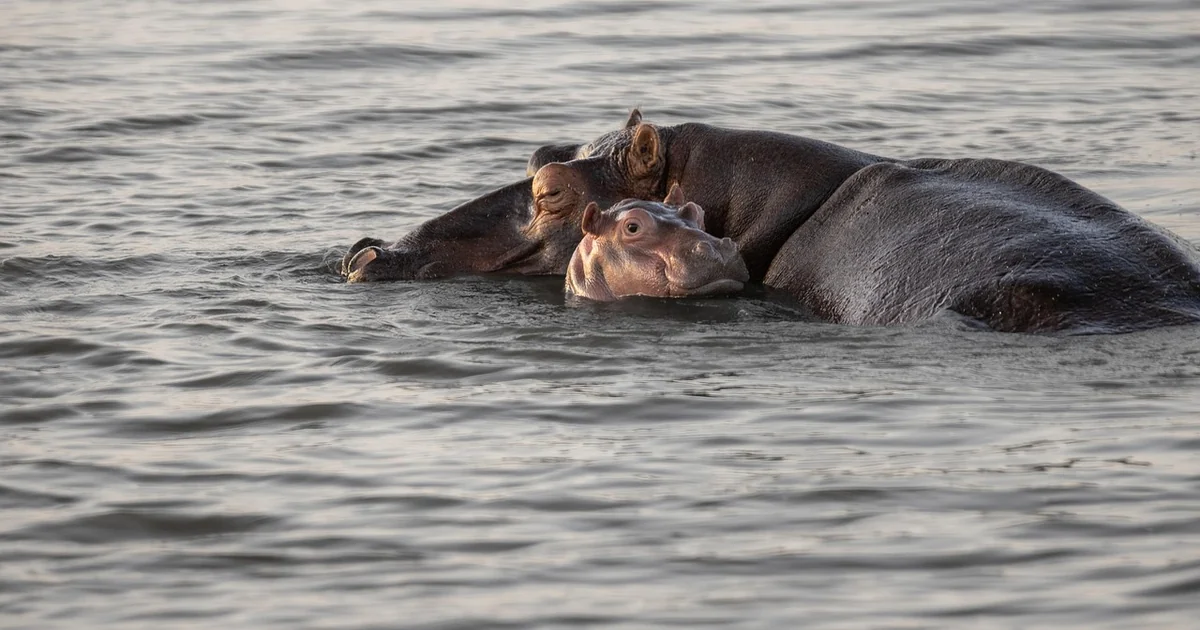
Hippos, or Hippopotamus amphibius, are famously territorial. They spend much of their day submerged in rivers and lakes to keep their skin cool, but they are incredibly sensitive to any perceived intrusion into their space. If a boat, a swimmer, or even a large land animal enters their immediate vicinity, the hippo does not see a neutral bystander; it sees a challenger. This instinctual drive to protect their aquatic domain makes them unpredictable and extremely volatile.
The physical mechanics of a hippo attack are equally daunting. They possess massive canine teeth that can grow to over 20 inches in length. Their jaw strength is among the highest in the mammalian world, capable of snapping through materials that would stop most other predators. In a cinematic context, this provides a perfect blueprint for a creature feature: a monster that doesn’t just bite, but essentially pulverizes everything in its path. This biological reality provides the perfect foundation for a hungry hippo horror movie to explore the concept of unstoppable momentum.
The Unexpected Danger of Herbivores
In many ways, herbivores are more dangerous than carnivores because their aggression is not tied to the need for a meal. A lion or a tiger generally only attacks when it is hungry or feels its cubs are threatened. A hippo, however, can be aggressive simply because you exist in its line of sight. This lack of a “hunger-based” motive makes their behavior much harder for humans to predict or manage in the wild.
This unpredictable nature creates a unique psychological tension for horror fans. In a traditional slasher film, the killer has a motive. In a shark movie, the shark is hunting. But in a film centered on a territorial hippo, the “villain” is a force of nature that reacts to movement, noise, and presence. It turns the environment itself into a trap, where any attempt to navigate the landscape becomes a potential trigger for a lethal encounter.
Science vs. Cinema: The Reality of Animal Horror
When we look at the statistics, the discrepancy between what Hollywood portrays as “scary” and what is actually dangerous in the real world is staggering. For decades, the shark has been the undisputed king of the creature feature. Films like Jaws fundamentally changed how the public perceives marine life, creating a lasting fear of the deep. However, the statistical reality of shark encounters tells a very different story.
Last year, recorded shark deaths worldwide numbered approximately 12. While that is a tragic number, it pales in comparison to the impact of other animals. Even grizzly bears, a staple of North American folklore and horror, are estimated to kill only about two to three people per year in their native habitats. When we compare these figures to the projected impact of a hippo, the cinematic choice to focus on sharks begins to look more like a pursuit of myth than a pursuit of terror.
To put the hippo’s danger into perspective, they are estimated to be responsible for around 500 human deaths annually in Africa. This places them in a much higher tier of lethality than the animals most frequently featured in Hollywood blockbusters. While crocodiles are a notable exception—killing roughly 1,000 people a year—they have been a staple of the horror genre for much longer, as seen in franchises like Lake Placid. The hippo is the new frontier for filmmakers looking to bring a sense of “real-world dread” to the screen.
The Deadliest Killers: A Statistical Comparison
It is important to maintain a sense of proportion when discussing animal fatalities. If we are looking for the absolute deadliest creatures on the planet, we have to look toward the microscopic. Mosquitoes are, without question, the most lethal animals due to the diseases they carry. In 2024, malaria alone was responsible for over half a million deaths globally. This is a biological reality that no horror movie can truly replicate, as the “monster” is invisible to the naked eye.
However, once we move past disease-related fatalities and look at direct physical encounters, the hippo rises to the top of the list of large mammals. Comparing them to other “scary” animals reveals a fascinating hierarchy of risk:
- Sharks: Very low annual fatality rate, often exaggerated by media.
- Grizzly Bears: Low frequency of fatal encounters with humans.
- Crocodiles: High fatality rate, but a well-established cinematic trope.
- Hippos: Extremely high fatality rate due to territorial aggression.
For a viewer who enjoys comparing real-world animal statistics to movie tropes, the hungry hippo horror movie offers a chance to see a creature that is actually more frightening than the ones we have been conditioned to fear. It bridges the gap between “movie magic” and “biological reality.”
You may also enjoy reading: 7 Reasons Apple Might Ditch MagSafe on Future iPhones.
The Challenges of Wildlife Horror Filmmaking
Creating a compelling creature feature involves more than just showing a large animal eating people. One of the primary challenges filmmakers face is the “uncanny valley” of animal behavior. If the animal acts too much like a human, the movie becomes a campy B-movie. If it acts too much like a real animal, it might lack the narrative drive required to keep an audience engaged in a suspenseful plot.
In the case of a hippo-centric film, the director must balance the animal’s naturalistic movements with the heightened stakes of a horror script. How do you make a creature that spends most of its time sitting in water feel like a constant, looming threat? The answer often lies in what the audience doesn’t see. Using shadows, ripples in the water, and the sound of heavy breathing can be far more effective than a direct CGI reveal.
Another challenge is the inherent difficulty of filming in the environments where these animals live. Tropical wetlands and riverbanks are notoriously difficult locations for production crews. The humidity, the terrain, and the logistical nightmare of working near actual dangerous wildlife mean that much of the heavy lifting must be done through practical effects and sophisticated digital compositing. The success of Hungry will likely depend on how well James Nunn manages this balance between atmosphere and action.
Conservation and the Reality of the Species
While we discuss these animals as monsters, it is vital to remember their actual status in the natural world. It is a strange irony that the animals we fear most are often the ones most at risk from human activity. Currently, hippos are classified as a vulnerable species by the International Union for Conservation of Nature (IUCN).
The primary threats to their survival are habitat loss and poaching. As human populations expand and agricultural needs grow, the natural territories of these animals are being encroached upon. This creates a dangerous cycle: as their habitat shrinks, their encounters with humans increase, leading to more conflict and more deaths on both sides. When we watch a hungry hippo horror movie, it is easy to forget that these creatures are struggling to survive in a world that is rapidly changing around them.
This adds a layer of complexity to the “monster” narrative. In many modern horror films, there is a subtle subtext regarding the consequences of human interference in nature. A film about a rampaging hippo can serve as a metaphor for the unpredictable backlash that occurs when we disrupt the delicate balance of an ecosystem. It turns a simple creature feature into something more profound and cautionary.
How to Stay Safe in Real-World Wildlife Encounters
For those who find themselves traveling to regions where hippos are native, the horror depicted on screen should serve as a reminder of the importance of wildlife safety. Unlike many predators, you cannot simply “outrun” or “outsmart” a hippo in a close-quarters environment like a riverbank. Knowledge and preparation are your best defenses.
If you are interested in implementing practical safety measures during wildlife viewing or travel, consider the following steps:
- Maintain Distance: Never approach a hippo in the water or on land. Even from a distance, they can perceive movement as a threat.
- Respect the Water: Avoid swimming in or near slow-moving rivers in known hippo habitats, especially during dawn and dusk when they are most active.
- Observe Behavior: If you see a hippo yawning, it is often not a sign of tiredness, but a display of its massive teeth—a warning to stay away.
- Use Professional Guides: When engaging in eco-tourism, always use certified guides who understand animal behavior and territorial boundaries.
By following these guidelines, you can enjoy the majesty of these incredible animals without becoming a statistic. The goal is to observe them as part of a complex ecosystem, rather than treating them as characters in a movie.