A healthcare data breach at a West Virginia hospital has exposed sensitive patient information. The incident was discovered on May 6, prompting an immediate investigation.
Potentially compromised information includes names, dates of birth, email addresses, phone numbers, Social Security numbers, and health or health insurance details. The hospital launched an investigation with a forensic security provider and terminated unauthorized access on the same day. The investigation concluded in late June 2026, and notification letters are now being mailed to affected individuals.
How the Phishing Attack Unfolded and What Data Was Exposed
This hospital phishing attack began when a small number of email accounts were targeted through deceptive messages. While the exact method—whether a malicious link or an attachment—has not been disclosed, the goal was likely credential theft: tricking recipients into handing over their login details. Once the attackers gained access, they were able to view the contents of those compromised inboxes.

The data breach scope is concerning because of the sensitive information stored in hospital communications. The exposed data includes Social Security numbers and health insurance details, which are prime targets for identity theft and fraud. For patients affected, this means their personal and medical identifiers are now in the hands of unknown actors.
What Types of Patient Data Were Accessed?
The attackers specifically accessed information tied to patient care and billing. Beyond Social Security numbers and health insurance data, other details like medical record numbers, treatment information, and contact details may have been exposed. The hospital has not specified the exact number of affected individuals, but the focus on a limited set of email accounts suggests a targeted approach rather than a broad system compromise.
Was the Attack Limited to Email Accounts?
Yes, according to the notification, no other hospital systems or data storage were affected. This means that core medical databases, patient portals, and internal networks remain secure. However, any email account compromise can still lead to secondary attacks, such as phishing emails sent from the compromised accounts to other staff or patients. The hospital has likely taken steps to lock down those accounts and reset passwords to prevent further misuse.
The Hospital’s Investigation and Security Response
Beyond the immediate account lockdowns and password resets, Mon General moved quickly to contain the breach. The hospital launched a full incident response to trace how the attackers got in and what they accessed. This is a standard but critical step in any hospital phishing attack — understanding the scope helps prevent it from happening again.
How Was the Unauthorized Access Stopped?
Mon General brought in a forensic security provider to lead the investigation. This team specializes in tracking digital intrusions and piecing together the timeline of events. Importantly, the unauthorized access was terminated on the same day it was discovered. That rapid action likely limited the amount of data the attackers could steal or the number of accounts they could compromise. The forensic investigation concluded in late June 2026, giving the hospital a clear picture of the breach.
What Steps Are Being Taken to Prevent Future Attacks?
With the investigation complete, Mon General turned to strengthening its defenses. External cybersecurity experts were brought in to help secure systems and oversee the cybersecurity remediation process. This included a full credential reset for affected user accounts, ensuring that any stolen passwords could no longer be used. The hospital is also evaluating additional technical safeguards, such as enhanced monitoring or multi-factor authentication, to reduce the risk of another incident. These steps are part of a broader effort to improve security posture and protect patient data from future threats.
Notification Letters and Credit Monitoring for Affected Patients
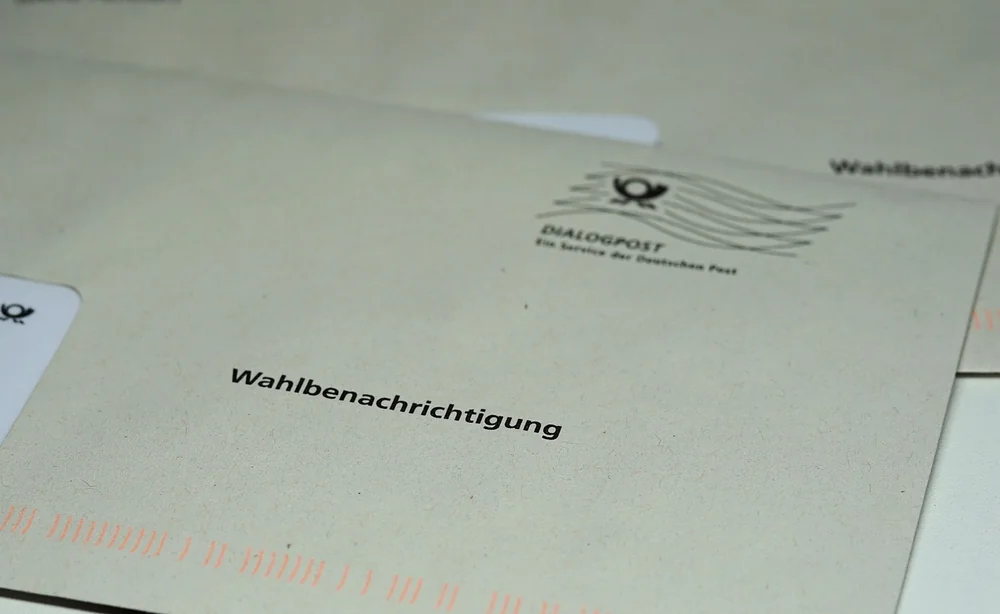
While Mon General Hospital works to strengthen its defenses, patients whose data was exposed in the hospital phishing attack need to know what to expect next. The hospital is mailing formal notification letters to everyone whose information was compromised. This is a standard step in any data breach response, and it serves as your official record of the incident. Along with the letter, eligible patients will receive two years of free credit monitoring. This service helps you keep an eye on your credit reports for any suspicious activity, giving you an extra layer of protection against identity theft.
When Will I Receive a Notification Letter?
The hospital has not announced a specific timeline for when the letters will be mailed. However, data breach notification letters are typically sent a few weeks after the investigation is complete. If you are an affected patient, you should expect a letter in the coming weeks. Keep an eye on your mailbox, and make sure your mailing address is up to date with the hospital. If you receive a data breach notification letter, read it carefully—it will explain what happened, what data was involved, and what steps you should take next.
How Do I Enroll in Free Credit Monitoring?
The notification letter will include instructions for enrolling in the credit monitoring service. The process is usually straightforward: you will find a unique activation code or a link to a secure enrollment website. You may need to provide some personal details to verify your identity. Once enrolled, you can access your credit reports and receive alerts if any changes occur. This identity theft protection is provided at no cost to you for two years. To make the most of it, consider setting up alerts and reviewing your reports regularly. If you see anything suspicious, the monitoring service will guide you on how to respond. Remember, this service is a direct benefit from the hospital as part of the patient notification process, so take advantage of it promptly.
What Patients Should Do If They Receive a Notification Letter
If you receive a letter from the hospital, don’t set it aside. The document contains specific steps you need to follow to protect yourself after a hospital phishing attack. Acting quickly can make a real difference in preventing identity theft.
How to Sign Up for Credit Monitoring
The first thing to do is follow the instructions in the letter to enroll in the complimentary identity monitoring service. Impacted patients are eligible for two years of free credit monitoring, which will watch for suspicious activity on your credit files. The sign-up process typically requires you to enter a unique code or link provided in the notification. Once enrolled, the service will alert you to any changes, such as new accounts opened in your name. This is a practical first step toward identity theft prevention, so complete the registration as soon as you can.
Consider a Fraud Alert or Credit Freeze
Beyond the monitoring service, you have the option to add an extra layer of protection yourself. Placing a fraud alert on your credit reports is free and simple—you only need to contact one of the three major credit bureaus, and they will notify the others. This alert tells lenders to verify your identity before issuing new credit. For stronger security, you can set a credit freeze, which blocks access to your credit report entirely. This means no one can open new accounts in your name without your explicit permission. Both options are effective tools in a hospital phishing attack response plan.
Also worth a read: Apple Smart Glasses Reportedly Delayed by Privacy Concerns.
What If I Didn’t Receive a Letter but Think My Data Was Exposed?
Not everyone affected may receive a notification immediately. If you believe your information was involved but haven’t gotten a letter, contact the hospital directly to confirm your status. The hospital can tell you whether you were part of the incident and what steps to take. In the meantime, you can proactively place a fraud alert or freeze on your own reports as a precaution.
Has Any Misuse of Data Been Detected?
As of the notification, whether any misuse of the compromised data has been detected is not stated. That means no confirmed cases of fraud have been reported yet, but it’s still wise to stay vigilant. Regularly check your bank statements, credit card activity, and credit reports for anything unusual. Early detection is your best defense, and the free monitoring service will help you spot problems quickly if they arise.
Addressing the Unknowns: Attack Method, Affected Numbers, and Legal Ramifications
While you now have steps to protect your information, several critical details about this incident remain undisclosed. These gaps raise real questions about how the hospital phishing attack unfolded and what regulatory consequences might follow. Understanding what isn’t yet known is just as important as knowing what to do next.
Why Hasn’t the Hospital Disclosed the Attack Method?
Mon General has not specified how the phishing attack was carried out. Common methods include a malicious email link, a tainted attachment, or a fake login page. Without this information, it is difficult for other organizations to assess if they face the same type of threat. The hospital’s silence on the phishing attack vector also leaves patients wondering if their data was exposed through a simple click or a more sophisticated scheme. So far, no statement confirms whether any misuse of the compromised data has been detected.
Will Mon General Face Fines or Penalties?
The total number of affected patients has not been provided, which makes it hard to gauge the scale of the breach. It is also unclear whether law enforcement or regulatory bodies like the Office for Civil Rights (OCR) or the Department of Health and Human Services (HHS) have been notified. Under HIPAA, healthcare organizations must follow strict breach notification rules. If the hospital phishing attack resulted from non-compliance with security standards, Mon General could face data breach penalties. The OCR typically investigates such incidents and may impose fines based on the severity and response.
What Additional Safeguards Are Being Implemented?
On a positive note, the hospital is evaluating additional technical safeguards to prevent future incidents. These could include stronger email filtering, multi-factor authentication, or enhanced employee training. While the specifics are not yet public, such measures are practical steps toward reducing the risk of another hospital phishing attack. For now, staying vigilant with your own monitoring remains the best course of action.
Frequently Asked Questions
What should I do if I receive a notification letter?
If you receive a letter from Mon General Hospital regarding this incident, follow the instructions carefully. The letter will outline steps to protect your information, such as enrolling in credit monitoring if offered. You should also monitor your accounts for suspicious activity and consider placing a fraud alert on your credit files.
How did the attackers gain access to the email accounts?
The attackers used a phishing email to trick an employee into providing login credentials. This type of hospital phishing attack often targets staff through deceptive messages that appear legitimate. Once the credentials were obtained, the attackers accessed email accounts containing patient information.
What if I did not receive a letter but think my data may have been exposed?
If you believe your data might be involved but did not receive a notification, you can contact Mon General Hospital directly using the phone number on their official website. They can confirm whether your information was part of the breach. As a precaution, monitor your accounts and credit reports for any unusual activity.