Summer travel should be stress-free, but leaving your home empty for a week or two can stir up plenty of worry. The right HomeKit travel automations let you check locks, water, climate, and cameras from the road, turning that anxiety into calm certainty. Simple Apple Home automations take the uncertainty out of leaving for a summer trip, giving you a practical way to monitor and control your home no matter where you are. Use this list of seven HomeKit travel automations as a pre-departure checklist to ensure everything is set before you close the front door. From simulating occupancy to adjusting your thermostat, these smart home travel checklist items help you build a reliable HomeKit away mode that works quietly in the background. With a little upfront setup, your Apple Home summer vacation setup becomes a lightweight, efficient system that keeps you connected and your home secure while you enjoy your time away.
1. Start With a Dedicated Home Hub for Travel-Proof Access
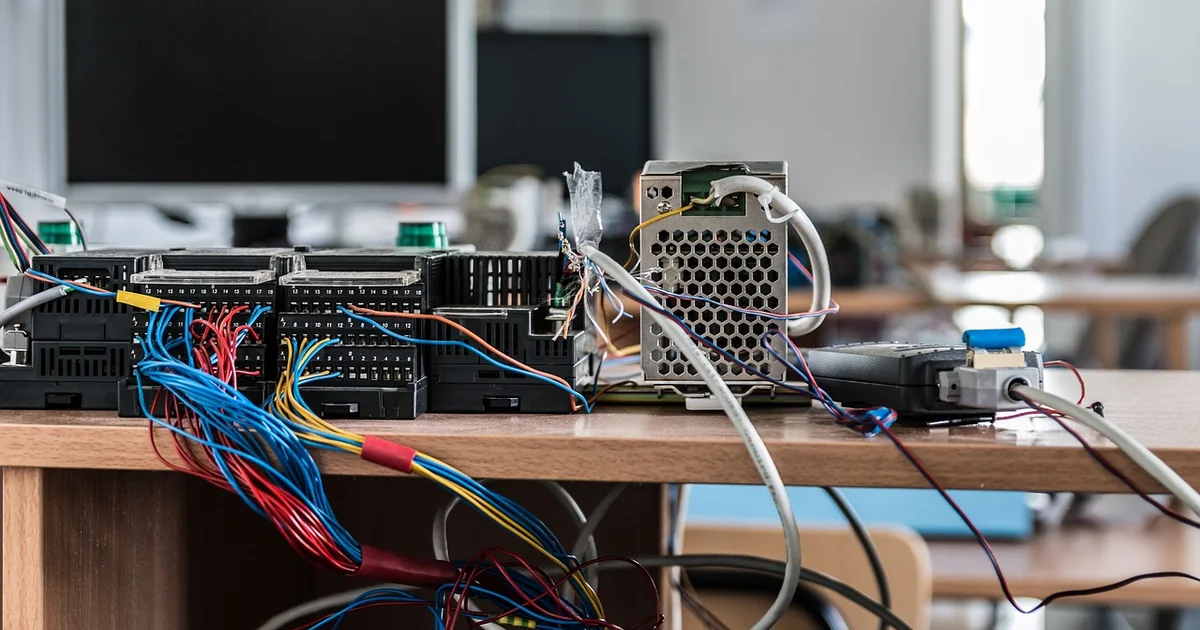
To make your HomeKit travel automations work while you’re away, Apple Home needs a dedicated control center in your house. This hub acts as the brain that processes your commands and triggers automations even when you’re on a different network. Without it, your smart home devices are essentially unreachable from outside your home. The most reliable hubs are an Apple TV 4K or a HomePod, both of which stay connected to your network and run your automations continuously. You want a device that remains awake and receives software updates, so your routines run smoothly even when the network is idle. Choosing a compatible Apple TV 4K HomeKit hub or HomePod home hub ensures you have that always-on connection for remote access.
For extra peace of mind during summer trips, consider using multiple hubs. The author, for example, uses several Apple TV units around the house. This redundancy means that if one hub goes offline, another can take over, ensuring your HomeKit remote access stays active. It’s a simple way to boost Apple Home hub reliability and keep your automations running without interruption. With a solid hub setup, your HomeKit away from home experience becomes much more dependable, letting you focus on your vacation rather than worrying about whether your smart home is still connected.
2. Automate Outdoor Watering With Weather-Aware HomeKit Automations
Once your hub is handling remote access reliably, you can start putting that connection to practical use. Keeping plants alive is one of the easiest smart home wins during summer trips, and it’s a perfect example of practical HomeKit travel automations. Outdoor watering automation — essentially smart sprinkler automation — can run on a simple schedule, but the real magic happens when you adjust based on current conditions. With a HomeKit irrigation controller or a Matter smart plug irrigation setup, you can control valves and pumps directly from your phone, wherever you are. That means no more asking a neighbor to haul a hose around or coming home to crispy plants.
Which Outdoor Watering Devices Work With Apple Home?
Look for a HomeKit irrigation controller that connects directly to your existing sprinkler system. These devices replace or supplement your traditional timer, giving you full control through the Home app. For smaller garden setups — think a single drip line or a soaker hose — a standard smart plug can control a pump or valve. The trick is choosing a device that supports HomeKit or Matter so it integrates cleanly into your automations without extra apps or bridges.
Use Local Weather Data to Avoid Overwatering
This is where Eve Weather HomeKit comes into play. By adding Eve Weather to your setup, you bring local temperature, humidity, and barometric pressure into the logic. Your summer watering schedule can then automatically adjust — skipping a cycle if rain is likely or delaying watering on cooler, overcast days. This weather-aware approach not only keeps your plants healthier but also avoids wasting water. It’s a lightweight, efficient way to let your smart home handle the garden while you focus on your trip.
3. Make It Look Like Someone Is Home With Randomized Light Schedules
While your plants are taken care of, the next step is making sure the house doesn’t broadcast your absence. A dark house at 11 p.m. is a clear signal that nobody is around. One of the smartest HomeKit travel automations is setting up a randomized lighting schedule HomeKit can handle. By automating lights to turn off and on at varied times, you create the illusion of everyday activity. This presence simulation lights approach is simple to set up and requires no special equipment beyond Apple Home-compatible bulbs. For example, the SYLVANIA SMART+ Bluetooth Soft White A19 LED Bulb works well with the Home app, and the Linkind Matter Smart Light Bulb is another reliable option. You can build schedules through the Home app’s automation section or use a companion app to introduce random offsets. That way, your living room lamp might come on at 7:15 p.m. one night and 7:40 p.m. the next. To make it even more convincing, include a few different rooms. The result is a house that looks lived in, giving you real peace of mind while you’re away.
4. Pre-Condition Your Home’s Climate Before You Step Off the Plane
Coming home to a comfortable temperature is nearly as satisfying as the vacation itself. But you don’t have to wait until you’re walking through the front door to feel that relief. With a HomeKit thermostat, you can start cooling (or heating) your house the night before your return flight lands. This is one of those HomeKit travel automations that makes the transition from holiday mode back to real life feel effortless. You simply open the Home app, tap your thermostat, and set the temperature to your preferred level. By the time you unlock the door, the climate inside will be exactly how you like it.
While you’re away, it’s worth adjusting the thermostat to a more energy-efficient setting. Many people raise the temperature in summer to save on cooling costs. The author prefers doing this in the evening, as it reduces strain on the AC system and keeps the electricity bill in check. If you have a HomeKit thermostat vacation schedule, you can automate this shift so the system only works hard when it needs to. And it’s not just the thermostat that can help. If you own a fan or an air purifier, plugging it into a Matter smart plug fan control setup lets you turn those devices on remotely. That way, you can start circulating the air before you even step off the plane. It’s a simple, practical Apple Home climate automation that makes your return feel like a warm (or cool) welcome.
5. Keep an Eye on Your Property With HomeKit Secure Video
Beyond adjusting the temperature, you can also use HomeKit to watch over your home while you’re away. When you’re hundreds of miles from your front door, the live feed is the next best thing to looking out the window. HomeKit Secure Video stores recorded clips in iCloud+, so you can review events from anywhere — no extra subscriptions needed beyond your iCloud+ plan. That means you can check in on a package delivery, see if the dog walker actually showed up, or just reassure yourself that everything looks normal. The best part? You don’t have to manually scroll through hours of footage. The system only records when it detects motion, saving you time and data.
Setting up remote HomeKit camera alerts is straightforward. Open the Home app, select your camera, and configure activity zones to ignore sidewalks or trees that might trigger false alarms. Then choose which notifications you want sent to your phone. Last year, the author caught a minor situation thanks to these alerts — a windblown gate that needed closing before a storm hit. With HomeKit Secure Video setup complete, you get a notification the moment something happens, plus a short clip to review. Many indoor and outdoor cameras support this system, making it a reliable layer of security for your HomeKit travel automations. You’ll have peace of mind knowing you can always take a quick live view from Apple Home, no matter where your summer trip takes you.
Also worth a read: Samsung Galaxy Watch 9 vs Ultra 2: 5 Smartwatch Differences.
6. Secure Entry Points and Detect Unexpected Motion With Accessory Automations
Cameras are great for catching what happened after an event, but sensors and locks help you act before and during a situation. That’s where your HomeKit travel automations can really shine. Place motion sensors inside your home or at entryways to trigger instant alerts or turn on lights if something moves while you’re away. You can also set a smart garage door opener to check its status remotely and create an automation that closes it automatically if you forgot to before leaving for your trip. For doors, a HomeKit smart lock lets you verify every lock is secured from the Home app, and you can automate a “lock all” routine before bed each night while traveling. Even a small accessory like the Best Connect Matter Smart Plug can be programmed to turn on a lamp or radio when a motion sensor detects activity, making your home seem occupied. By combining these entry sensor notifications with a HomeKit motion sensor automation, you build a responsive security net that works around the clock.
7. Create a Welcome Home Scene to Trigger Everything at Once
You shouldn’t have to tap five apps when your plane lands; one scene can bring the house back to life. After building a security net that watches over your home while you’re away, the final piece of your HomeKit travel automations setup is a welcome home scene that reverses all those away-mode settings in a single tap. This scene combines your climate, lighting, and security devices so the house feels lived-in the moment you step inside — no fumbling with individual controls after a long flight.
Step-by-Step: Create a Welcome Home Scene in the Home App
Open the Home app, tap the plus icon, and choose Add Scene. Give it a name like “Welcome Home” and add the devices you want to adjust: set your thermostat to a comfortable temperature, turn on a few lights at a soft brightness, and unlock your smart lock (if you’re comfortable with that). You can even include a fan or a smart plug for a lamp. Once saved, this scene becomes a one-button shortcut on your iPhone or Apple Watch, making your HomeKit welcome home scene instantly accessible.
Trigger the Scene Automatically When Anyone Arrives
For a truly hands-free experience, use an Apple Home arrival automation. In the Home app, go to the Automation tab, tap Create Automation, and select “People Arrive.” Choose yourself or family members, then pick the “Welcome Home” scene as the action. Now, when the first person’s iPhone is detected near your home, the automation fires automatically — lights turn on, the AC adjusts, and your security system disarms. This HomeKit scene setup vacation trick ensures the house is ready before you cross the doorstep, giving you a seamless return from any trip. With an Apple Home multiple devices trigger like this, you can coordinate everything from your thermostat to your porch light, making HomeKit scenes for returning home the perfect capstone to your summer travel automations.
Frequently Asked Questions
How do I create randomized light schedules in the Home app to make my home look occupied while I’m away?
Open the Home app, tap the Automation tab, then tap the plus sign and select “Add Automation.” Choose “A Time of Day Occurs,” set a time when you want lights to turn on, and select the lights you want to control. Tap “Convert to Shortcut” to add a “Wait” action with a random duration, then add a “Turn Off” action for those lights. This creates a schedule where lights turn on and off at slightly different times each evening, mimicking natural occupancy.
Do I need an Apple Home hub to use HomeKit travel automations while I’m away?
Yes, a home hub is essential for running automations remotely. Compatible hubs include an Apple TV, HomePod, HomePod mini, or an iPad set to stay at home. The hub acts as the central controller, executing your automations and allowing you to check cameras and sensors from anywhere.
How can I set up my thermostat to turn on before I return home from a summer trip?
Create an automation in the Home app triggered by “People Arrive” and set it to activate when you arrive home. For more precise control, use a “Time of Day Occurs” automation set for a few hours before your estimated arrival. This allows your thermostat to cool the house to a comfortable temperature so you walk into a pleasant environment.