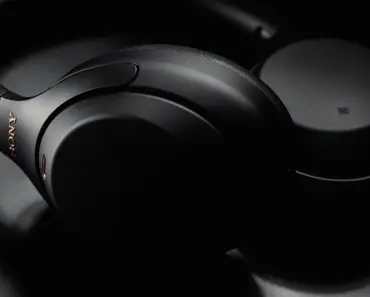
The boundary between human thought and digital execution is blurring faster than most of us anticipated. For decades, the concept of a brain-computer interface, or BCI, was a trope reserved for cyberpunk novels and high-budget Hollywood films. We imagined sleek, metallic implants or complex neural webs woven into the cerebral cortex. However, the reality of the next technological leap is far less surgical and significantly more accessible. A new wave of innovation is shifting the focus away from invasive procedures toward non-invasive bci technology that can be tucked into the accessories we already wear every day.
The Evolution of Neural Connectivity
To understand where we are headed, we must first look at the two divergent paths of neural interface development. On one side, you have the high-stakes world of surgical implants. Companies like Neuralink have captured the public imagination by proposing the insertion of micro-electrodes directly into brain tissue. While this method offers incredibly high-fidelity data because the sensors are in direct contact with neurons, it carries the inherent risks of any neurosurgery, including infection, tissue scarring, and the need for medical intervention.
On the other side of the spectrum lies the approach championed by Neurable. Rather than piercing the skull, this method utilizes electroencephalography, or EEG, to pick up the electrical fluctuations that occur naturally as neurons communicate. By placing sensitive sensors on the scalp, these devices can detect patterns of brain activity through the skin and bone. This shift from invasive to non-invasive methods is not just about safety; it is about scalability. A consumer is far more likely to purchase a pair of headphones that tracks their focus than they are to schedule a neurosurgical procedure to upgrade their cognitive capabilities.
The core mechanism of non-invasive bci technology involves a sophisticated dance between hardware and software. The EEG sensors act as the ears of the system, listening to the faint electrical whispers of the brain. However, these signals are incredibly noisy. They are often drowned out by muscle movements, eye blinks, or even the electrical hum of nearby electronics. This is where artificial intelligence becomes the unsung hero. Advanced AI signal processing algorithms act as a high-tech filter, stripping away the noise to reveal the meaningful cognitive signatures underneath.
Bridging the Gap Between Biology and Hardware
One of the most significant shifts in the neurotech landscape is the move from direct-to-consumer hardware to a business model centered on licensing. Neurable is not just trying to sell a single gadget; they are building a platform. By seeking to license their technology to Original Equipment Manufacturers (OEMs), they are aiming to embed brain-sensing capabilities into the existing ecosystem of consumer electronics.
Imagine a world where your morning routine is subtly optimized by your gear. Instead of just playing music, your smart headphones could detect when your brain enters a state of deep concentration and automatically activate a “do not disturb” mode on your phone. Or consider a pair of smart glasses that sense when your cognitive load is becoming too high, perhaps suggesting a five-minute breathing break to prevent burnout. This level of integration requires a seamless blend of biology and existing form factors like hats, headbands, and eyewear.
This B2B (business-to-business) approach solves a massive hurdle for the industry: the friction of adoption. Most consumers do not want to learn how to use a “new” type of device. They want their existing devices to become smarter. When a manufacturer like HP Inc. integrates these capabilities into a gaming headset through a brand like HyperX, the user doesn’t feel like they are using a medical device. They feel like they are using a premium gaming tool that happens to give them a competitive edge.
The Gaming Frontier: Optimizing Cognitive Performance
Gaming is perhaps the most immediate and lucrative playground for this technology. For a professional eSports athlete, the difference between a championship win and a loss often comes down to milliseconds of reaction time and the ability to maintain intense focus under pressure. Traditional training focuses on mechanical skill, but the mental component is just as vital.
Consider a hypothetical scenario involving a competitive League of Legends or Counter-Strike player. Using a headset equipped with BCI sensors, the player can receive real-time feedback on their mental state. If the sensors detect a spike in stress or a dip in cognitive alertness, the software could provide subtle cues or even help the player adjust their training regimen. By analyzing data over months, players can identify exactly which types of in-game scenarios trigger mental fatigue, allowing them to build specific neurological resilience.
This isn’t just about winning; it is about the science of peak performance. By quantifying “flow state”—that elusive moment when a person is fully immersed and performing at their highest level—gamers can learn to trigger it more reliably. The data provides a roadmap for mental conditioning that was previously invisible to the naked eye.
Productivity and the Modern Workspace
Beyond the digital arena, the professional world stands to gain immensely from neuro-integrated wearables. We live in an era of constant distraction, where the “attention economy” is constantly fighting for our cognitive resources. For knowledge workers, the ability to manage mental energy is the ultimate productivity hack.
Imagine a software developer working on a complex piece of architecture. They enter a state of deep work, but after ninety minutes, their brain begins to show signs of cognitive depletion. A headband or a pair of smart glasses could detect this shift in neural oscillations before the developer even realizes they are losing focus. Instead of pushing through and making errors, the system could suggest a short walk or a change in environment, effectively managing the user’s “cognitive budget” throughout the day.
This application moves neurotechnology away from being a novelty and into the realm of essential wellness and productivity tools. It transforms the wearable from a passive tracker, like a step counter, into an active cognitive assistant. The goal is to make brain-sensing as ubiquitous and useful as the heart rate sensors we currently find on every smartwatch.
The Privacy Imperative: Protecting the Most Intimate Data
As we move closer to a reality where our thoughts are translated into data, we encounter a profound ethical and privacy challenge. Brain data is fundamentally different from any other type of biometric information. While a heart rate tells you about your physical exertion, neural data can potentially reveal your emotions, your reactions to stimuli, and even your subconscious inclinations. This level of intimacy demands a level of security that exceeds current industry standards.
The phrase “non-invasive” refers to the physical method of data collection, but it does not diminish the sensitivity of the information being collected. If a company can see how your brain reacts to a specific advertisement or a political statement, the implications for targeted marketing and psychological profiling are staggering. This is why the framework for data protection must be established long before the technology becomes a household staple.
Neurable has addressed this by emphasizing adherence to HIPAA (Health Insurance Portability and Accountability Act) standards. While HIPAA is traditionally a medical regulation, applying its rigorous principles to consumer neurotech is a proactive step toward building public trust. This involves several layers of protection:
You may also enjoy reading: 7 Ways Google Workspace Updates Make AI Your New Office Intern.
- Encryption: Ensuring that data is scrambled from the moment it leaves the sensor until it reaches a secure processing environment.
- Anonymization: Stripping away personally identifiable information so that neural patterns cannot be easily linked back to a specific individual.
- Explicit Consent: Moving away from “all-or-nothing” privacy policies toward granular control, where users decide exactly how their data is used—for instance, allowing it for personal feedback but opting out of using it for AI training.
The challenge for the industry will be maintaining this high bar of privacy while still allowing enough data flow to improve the AI models that make the technology useful. A “privacy-first” architecture is not just a moral choice; it is a business necessity. Without consumer confidence, the entire market for non-invasive bci technology will fail to launch.
Technical Hurdles and the Path to Ubiquity
Despite the excitement, several technical barriers remain between current prototypes and the ubiquitous “brain-sensing” future. The first is the “signal-to-noise” problem mentioned earlier. To make these devices work in a noisy coffee shop or a moving car, the AI must be incredibly robust. We need algorithms that can distinguish between a user’s focused thought and the electrical interference caused by them chewing gum or talking to a friend.
The second hurdle is hardware miniaturization and comfort. For a BCI to be useful, it must be something people actually want to wear. A bulky headset with thick wires is a non-starter for daily use. The sensors must be integrated into materials that are soft, breathable, and aesthetically pleasing. We are looking at a future where conductive polymers and flexible electronics allow sensors to be woven directly into the fabric of a baseball cap or the frame of designer eyeglasses.
Thirdly, there is the matter of battery life and processing power. Analyzing complex EEG signals in real-time requires significant computational energy. Engineers are currently exploring “edge computing” solutions, where much of the heavy lifting is done on a local device (like a smartphone) rather than in the cloud, reducing latency and enhancing privacy. This distributed computing approach is essential for making the response time feel instantaneous.
The Economic Landscape of Neurotechnology
The recent $35 million Series A funding for Neurable is a strong signal to the market that investors see a massive commercial opportunity in the neurotech sector. This capital is being used to bridge the gap between laboratory research and mass-market manufacturing. The shift toward a licensing model is a brilliant economic move, as it allows a startup to scale without the massive overhead of managing global supply chains for multiple different consumer products.
By acting as the “Intel Inside” of the neurotech world, a company can focus on what it does best: research, AI development, and sensor optimization. Meanwhile, established giants in the gaming, fitness, and eyewear industries can leverage their existing brand loyalty and distribution networks to bring these new capabilities to the masses. This creates a symbiotic relationship that accelerates the entire industry’s growth.
We are witnessing an inflection point. Just as the smartphone industry transformed from niche devices to essential tools through a combination of hardware innovation and app-based ecosystems, neurotechnology is finding its footing. The “apps” in this case are the cognitive insights and automated responses that make our wearables truly intelligent.
Looking Ahead: What Comes After the Inflection Point?
As non-invasive bci technology becomes more integrated into our lives, the very definition of “human-computer interaction” will change. We are moving away from a world of “input and output”—where we click, tap, and type—toward a world of “intent and response.” In this future, the computer doesn’t just wait for your command; it understands your state of being and adjusts itself to support your goals.
This could lead to profound advancements in neurorehabilitation. While Neurable is focused on consumer applications, the underlying technology could eventually assist people with motor impairments by providing more intuitive ways to control digital environments. The crossover between consumer wellness and clinical utility is a fertile ground for future innovation.
Ultimately, the success of this movement depends on our ability to balance wonder with wisdom. The potential to unlock the secrets of our own cognition is one of the most exciting frontiers in human history. If we can navigate the technical and ethical complexities with care, the era of the “thinking wearable” may be closer than it’s worth noting.
The journey from science fiction to everyday accessory is well underway, driven by a commitment to making the most intimate technology we can imagine both safe and incredibly useful.