The wait for a grand cinematic return to the land of Aslan is proving to be a lesson in patience, but the upcoming production promises a scale rarely seen in modern streaming-led adaptations. While fans may have hoped for a more immediate arrival, the announcement regarding the greta gerwig narnia movie suggests that something much more substantial is being meticulously crafted behind the scenes. Rather than a rushed digital release, this project is being positioned as a true theatrical event, signaling a shift in how major streaming platforms approach high-budget fantasy epics.
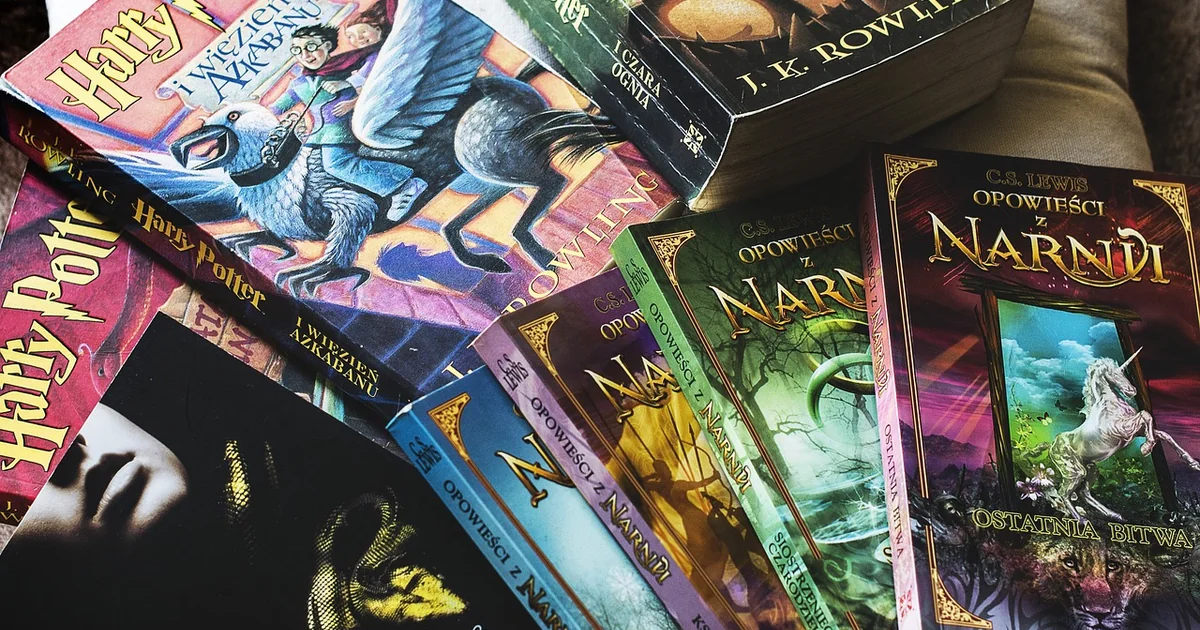
A New Era for High-Fantasy Cinema
For years, the landscape of big-budget fantasy has been caught in a tug-of-war between the convenience of home streaming and the immersive power of the silver screen. Many viewers have felt a sense of loss when beloved literary worlds are compressed into small television screens, losing the texture and grandeur that the original authors intended. This upcoming adaptation aims to rectify that disconnect by prioritizing the theater-going experience.
The decision to grant this film an extended theatrical window is a significant departure from previous streaming-first models. Instead of a fleeting engagement, the film is slated to occupy screens from February 12, 2027, until April 2, 2027. This nearly two-month residency allows for a cultural moment to build, giving families, enthusiasts, and casual viewers the opportunity to witness the creation of a universe in a setting designed for awe.
When we consider the history of the Narnia franchise, we see a pattern of varying cinematic interpretations. However, the current momentum suggests a move toward a more sophisticated, auteur-driven approach. By moving away from the rapid-turnover release cycles, the production team is signaling that this is not just another piece of content, but a cornerstone piece of filmmaking intended to stand the test of time.
7 Reasons Why the Greta Gerwig Narnia Movie Will Enchant 2027
1. The Auditory Magic of a Musical Creation
One of the most profound elements of the source material is the concept of a world birthed through song. In the original text, the creation of Narnia is not a silent, mechanical process, but a melodic, cosmic event led by a lion’s voice. This provides a unique challenge for a director: how do you visualize sound? Greta Gerwig has expressed a deep, personal connection to this specific concept, intending to weave music into the very fabric of the world-building.
This isn’t just about a catchy soundtrack; it is about the intersection of auditory and visual storytelling. Imagine a sequence where the landscape itself shifts and forms in rhythm with a crescendo, or where the colors of the sky are a direct manifestation of a specific chord. This approach could solve the common problem in fantasy films where the world feels static or “pasted on.” Instead, the environment becomes a living, breathing entity that responds to the rhythm of the narrative, offering a sensory experience that is both intellectually stimulating and emotionally resonant.
2. An Unparalleled Ensemble of Talent
A fantasy epic lives or dies by the weight and humanity of its characters. If the actors cannot ground the impossible elements of the world, the audience will fail to connect with the stakes. The casting for this production is nothing short of extraordinary, blending legendary veterans with rising stars who possess immense dramatic range. With names like Meryl Streep and Daniel Craig joining the ranks, the film is guaranteed a level of gravitas that many genre films lack.
The inclusion of performers such as Carey Mulligan, Emma Mackey, and Ciarán Hinds suggests a focus on nuanced, character-driven performances rather than mere spectacle. For the viewer, this means the “magic” won’t overshadow the “humanity.” When a character faces a cosmic upheaval, we won’t just see special effects; we will see the genuine fear and wonder reflected in the eyes of world-class actors. This balance is essential for making a prequel feel like a foundational epic rather than a mere collection of lore-heavy scenes.
3. The Immersive Power of the IMAX Format
For many film enthusiasts, the transition from the page to the screen often feels like a reduction in scale. The vast, sprawling landscapes of a prequel about the dawn of time require a canvas that can handle immense detail. By committing to an IMAX release, the production is ensuring that the visual language of the film is as expansive as the imagination of the reader. The heightened aspect ratio and superior resolution allow for a level of immersion that standard theaters simply cannot replicate.
Think of the difference between looking at a photograph of a mountain and standing at its base. An IMAX release allows the audience to feel the scale of the cosmic events being depicted. For a story that involves the literal creation of a universe, the ability to see every particle of stardust and every ripple in the fabric of reality is crucial. This format choice addresses the common critique that fantasy films often feel “small” or “contained,” instead pushing the boundaries of what a digital spectacle can achieve.
4. A Sophisticated Approach to Prequel Storytelling
Prequels often struggle with the “knowledge trap,” where the audience already knows the eventual outcome, which can sap the tension from the narrative. However, by choosing The Magician’s Nephew, the filmmakers are tapping into a foundational myth rather than just a backstory. This story is about the origins of evil and the birth of light, providing a thematic depth that transcends simple chronological expansion.
The narrative challenge here is to make the “beginning” feel as urgent as the “middle” of the saga. By focusing on the cosmic and the primordial, the film can explore themes of choice, consequence, and the nature of creation itself. This allows the story to stand on its own merits, even for those who may not be intimately familiar with the subsequent books. It shifts the focus from “how did we get here?” to “how did it all begin?”, turning a history lesson into a mythic journey.
5. Bridging the Gap Between Streaming and Cinema
The tension between Netflix and traditional cinema owners has been a defining theme of the last decade. Many fans have felt frustrated by “hybrid” releases that seemed to devalue the theatrical experience. The strategy for the greta gerwig narnia movie represents a significant pivot. By securing a robust, multi-week theatrical run, the studio is acknowledging that some stories are too big for a living room.
You may also enjoy reading: Apple Scores 5 Major Gotham Television Award Nominations.
This approach benefits the industry as a whole. It proves that streaming giants can still contribute to the vitality of the theatrical ecosystem. For the audience, it provides a sense of legitimacy. When a film is treated with the respect of a wide theatrical release, it carries a different cultural weight. It becomes a communal event—something people discuss in the lobby and dissect in the streets—rather than just another title to scroll through on a menu.
6. The Vision of an Auteur Director
In an era of “content” produced by committees, the involvement of a director with a distinct, recognizable voice is a breath of fresh air. Greta Gerwig has demonstrated an uncanny ability to blend intimate human emotions with larger-than-life circumstances. Her previous work shows a mastery of character dynamics and a keen eye for the “extraordinary in the ordinary.”
Applying this sensibility to a high-fantasy setting is a masterstroke. A fantasy film can easily become lost in its own iconography, forgetting the hearts that beat within the armor. Gerwig’s influence suggests that the Narnia of 2027 will be a place where the magic feels personal. We can expect a film that cares as much about the internal growth of its protagonists as it does about the external battles of gods and magicians. This psychological depth is often the missing ingredient in large-scale genre filmmaking.
7. The Emotional Resonance of Nostalgia Reimagined
For many, Narnia is not just a series of books, but a cornerstone of childhood wonder. There is a significant challenge in adapting a beloved classic: how do you honor the memory of the original while creating something that feels vital for a new generation? The risk of being too literal is a stale, museum-like film; the risk of being too radical is alienating the core fanbase.
The upcoming adaptation seems to be aiming for a middle ground of “reimagined reverence.” By focusing on the most poetic and abstract elements of the lore—such as the musical creation of the world—the film avoids the trap of mere imitation. It seeks to capture the feeling of reading the books rather than just the plot points. This allows the film to tap into the deep-seated nostalgia of older readers while providing a fresh, visually stunning entry point for younger audiences who have never stepped foot in a Narnian forest.
Navigating the Expectations of a Fantasy Epic
As we approach 2027, the anticipation for this project will likely grow alongside a healthy dose of skepticism. Fantasy adaptations are notoriously difficult to get right, often falling victim to uneven pacing or underwhelming visual effects. To truly enjoy this cinematic journey, viewers should approach it with an appreciation for the medium’s evolution.
One way to prepare for such a massive release is to engage with the source material in a way that focuses on its themes rather than just its plot. If you are a fan of the books, try to remember the sensory details—the smells, the sounds, and the atmosphere—rather than just the sequence of events. This will help you appreciate how the filmmakers translate those abstract feelings into a visual language.
Furthermore, for those who find the complexities of modern “cinematic universes” overwhelming, this film offers a potential solution. Because it functions as a prequel, it provides a contained narrative arc. You don’t need to have watched twenty previous films to understand the stakes of a world being born. It offers a way to enter a massive franchise through a single, focused doorway, making the vast lore of Narnia accessible once again.
The journey toward February 2027 will undoubtedly be filled with more trailers, casting news, and technical reveals. However, the foundation laid by the current announcements suggests that this is more than just a movie; it is an attempt to reclaim the sense of wonder that only the big screen can provide. As the cosmic lion begins to sing, the world of cinema may find itself rediscovered.