There is a tough conversation happening in a lot of households right now. Teenagers want cool, fast electric bikes that let them keep up with friends and explore on their own terms. Parents, on the other hand, see viral crash videos and news stories about reckless riding, and they understandably want nothing to do with it. Both sides actually have a point. Group riding and hanging out with friends are important parts of today’s teenage social dynamics. But those same teens can also become a danger to themselves or others when paired with a powerful bike and an underdeveloped prefrontal cortex. Now though, a new wave of fast e-bikes for teens is arriving, and some of them might just offer the compromise both camps need.
The Real Challenge With Fast E-Bikes for Teens
The current e-bike market is flooded with inexpensive high-speed models that can reach 28 miles per hour or more with very little oversight. In many cases, a teenager is just a few clicks away from ordering a bike online that is faster than anything their parents realize. Some of these bikes are built well, but many are not. The problem is not just speed itself, but the combination of high speed, low-quality components, and a rider who may not yet have the judgment to handle it all safely.
Research from the University of California, San Francisco, published in 2022, found that e-bike-related injuries among adolescents rose by 70% between 2017 and 2021. Many of those incidents involved riders going over 20 miles per hour on bikes with inadequate brakes or poor stability. The human brain’s prefrontal cortex, which handles impulse control and risk assessment, does not fully develop until around age 25. That biological fact means teens are naturally more prone to taking risks, even when they know better. So the challenge for parents is real: how do you give your teen the independence they crave without putting them in a dangerous situation?
Why Parental Controls Matter More Than Top Speed
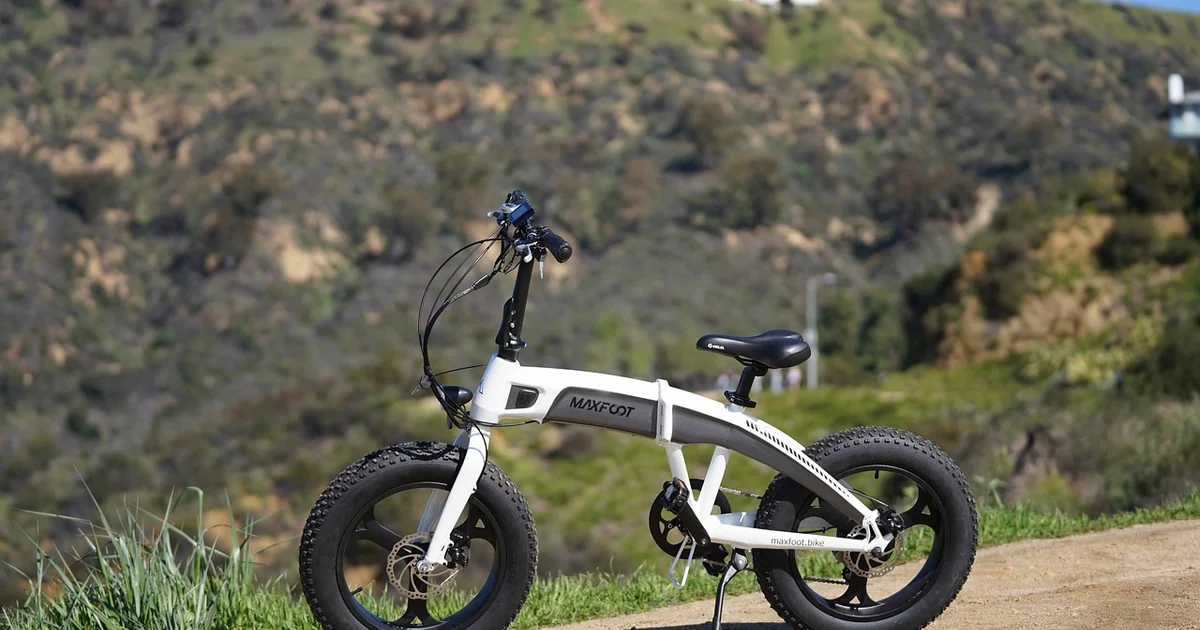
That is where a thoughtful design approach can make all the difference. The fast e-bikes for teens that stand out today are not just the ones with the highest top speed. They are the ones that give parents real, practical control over how fast the bike can actually go. One of the most interesting compromises I have seen in this category comes from Juiced with their Scrambler model. At first glance, it looks exactly like the kind of bike many teens are drawn to: moto-inspired styling, chunky tires, suspension, bright lighting, and enough power to feel exciting. But the standout feature is not the speed itself. It is the parental controls.
PIN-Based Speed Limiting: A Real Solution
Juiced built the Scrambler with a PIN-based speed-limiting system that lets parents lock the bike’s top speed at their desired levels. This means a parent can decide whether the bike tops out at a lower, safer speed or is capable of higher-performance riding later as the rider gains experience and maturity. The PIN code prevents kids from easily bypassing those restrictions, which is one of the biggest headaches parents face with other e-bikes. Kids are smart. YouTube tutorials exist. But requiring a PIN code to change ride modes gives parents a much more realistic level of control without completely killing the fun factor.
And that touches on one of the key issues surrounding teens and e-bikes: Are they ready to handle the kind of speed most e-bikes are capable of? That answer is usually quite individual. Now an e-bike can match that individuality. Since some teens are more responsible than others, and some parents feel their kids can handle more than others, this feature lets parents dial it in just the way they would like, and in a way that their kid cannot override later. With safe riding, teens can even earn higher speeds. Do well at 15 miles per hour? Maybe Dad will unlock 18 or 20. Get all A’s this semester? Congrats, you have earned 22 miles per hour. The sky is the limit. Well, technically 28 miles per hour is the limit. But you get the idea.
Five Safe Fast E-Bikes for Teens That Balance Speed and Safety
Beyond the PIN-based system on the Juiced Scrambler, there are other models worth considering. Each of these fast e-bikes for teens offers a different mix of speed, safety features, and parental oversight. Here are five that deserve a close look.
1. Juiced Scrambler
The Scrambler is the bike I keep coming back to because of its thoughtful approach to safety. Beyond the parental controls, it also takes hardware quality more seriously than many cheap high-speed bikes flooding the market. It uses larger hydraulic brakes and suspension components that are more in line with light motorcycle hardware than bargain-bin bicycle parts. That does not mean the bike is a motorcycle, but that it is built with safety components more in line with those of higher-performance machines. With much of the hardware being overbuilt for the bike’s actual weight and speed, parents can rest a bit easier knowing that such levels of over-engineering are exactly what you want from a safety perspective. The Scrambler starts at around $1,699, which is relatively affordable compared to many premium e-bikes. That matters for families who do not necessarily want to spend several thousand dollars on a bike their teen might outgrow in a few years.
2. Rad Power Bikes RadRunner 3 Plus
Rad Power Bikes has been a staple in the e-bike world for years, and the RadRunner 3 Plus offers a solid middle ground. It has a top speed of 20 miles per hour, which is lower than some competitors but still fast enough for most teen riders. The bike comes with a twist-throttle and pedal assist, and Rad offers a smartphone app that lets parents set speed limits and track ride data. The app-based controls are not as foolproof as a PIN code, but they do give parents a way to monitor usage. The RadRunner 3 Plus also features a sturdy frame, puncture-resistant tires, and a rear rack that makes it practical for carrying a backpack or a friend. The starting price is around $1,999, making it a bit more expensive than the Scrambler but still within reach for many families.
3. Aventon Level.2
Aventon is another brand that has gained a reputation for quality at a reasonable price. The Level.2 is a commuter-style e-bike with a top speed of 28 miles per hour, but it includes a torque sensor that makes pedal assist feel more natural and less jerky. That might sound like a minor detail, but it actually contributes to safety. A smoother acceleration curve means the rider is less likely to be surprised by a sudden burst of power. The Level.2 also has integrated lights, a color display, and a battery that can cover about 50 miles on a single charge. Aventon does not offer the same kind of PIN-based parental controls as Juiced, but the bike’s display does allow a parent to set a maximum assist level that the rider cannot easily change without the key. That is not as secure as a PIN, but it is better than nothing. The Level.2 typically sells for around $1,599.
You may also enjoy reading: Online Radiology Tech Degrees: Compare Cost, Duration & Flexibility.
4. Ride1Up Prodigy V2
Ride1Up focuses on building e-bikes that feel like traditional bicycles with a boost, rather than mini motorcycles. The Prodigy V2 has a top speed of 20 miles per hour, which is a safer ceiling for younger or less experienced riders. It uses a mid-drive motor from Brose, a German company known for reliability, and it comes with hydraulic disc brakes as standard. The bike also has a belt drive instead of a chain, which means less maintenance and no greasy fingers. Ride1Up does not offer app-based parental controls, but the bike’s display allows a parent to lock the assist level with a simple code. The Prodigy V2 is priced at around $2,295, making it one of the more expensive options on this list, but the build quality and low-maintenance design justify the cost for many families.
5. Velotric Discover 1
Velotric is a newer player in the e-bike market, but the Discover 1 has quickly become a favorite for its balance of features and price. It has a top speed of 20 miles per hour and a 500-watt motor that provides smooth, consistent power. The bike comes with a torque sensor, hydraulic brakes, and a battery that can last up to 60 miles on a single charge. Velotric also includes a smartphone app that allows parents to set speed limits and view ride history. The app-based controls are not as robust as a PIN system, but they do offer a layer of oversight that many parents appreciate. The Discover 1 is priced at around $1,499, making it one of the most affordable options that still includes quality components and a reasonable safety feature set.
The Social Benefits of Fast E-Bikes for Teens
I get it: kids want independence. They want to ride with friends. They want something that feels cool and gives them freedom without needing a ride everywhere. E-bikes can actually provide a lot of that in a healthy way. They get teens outdoors, give them mobility, and often become a social activity rather than another hour spent inside texting their friends while alone in their bedrooms. The trick is finding a version of that independence that does not force parents to surrender all oversight.
A 2023 survey from the National Association of City Transportation Officials found that teens who rode e-bikes reported spending an average of 2.5 more hours per week outdoors compared to those who did not. That is a significant increase in physical activity and social interaction. The same survey noted that group rides were the most common social activity among teen e-bike owners, with 68% of respondents saying they rode with friends at least once a week. So the desire for speed is not just about adrenaline. It is about keeping up, feeling included, and having a shared experience.
Beyond the Bike: Helmets, Training, and Supervision
No e-bike is magically safe, of course. Even the best bike with the best parental controls still requires a responsible rider. Helmets are non-negotiable. A properly fitted helmet reduces the risk of head injury by about 70%, according to the Centers for Disease Control and Prevention. I would also recommend investing in gloves, knee pads, and a bright jacket for visibility. Those small items can make a big difference in a crash.
Local rider training or online e-bike safety courses are another smart step. Many communities now offer classes specifically for young e-bike riders. These courses teach things like how to brake properly at high speeds, how to navigate traffic, and how to handle sudden obstacles. Some courses even cover basic bike maintenance, which helps teens take ownership of their ride. If you cannot find a local class, the League of American Bicyclists offers an online safety course that covers the basics.
Supervision also matters, especially in the first few weeks. I suggest going on a few rides with your teen to see how they handle the bike. Pay attention to how they brake, how they take corners, and how they interact with traffic. That hands-on observation will give you a much better sense of when they are ready for more speed.