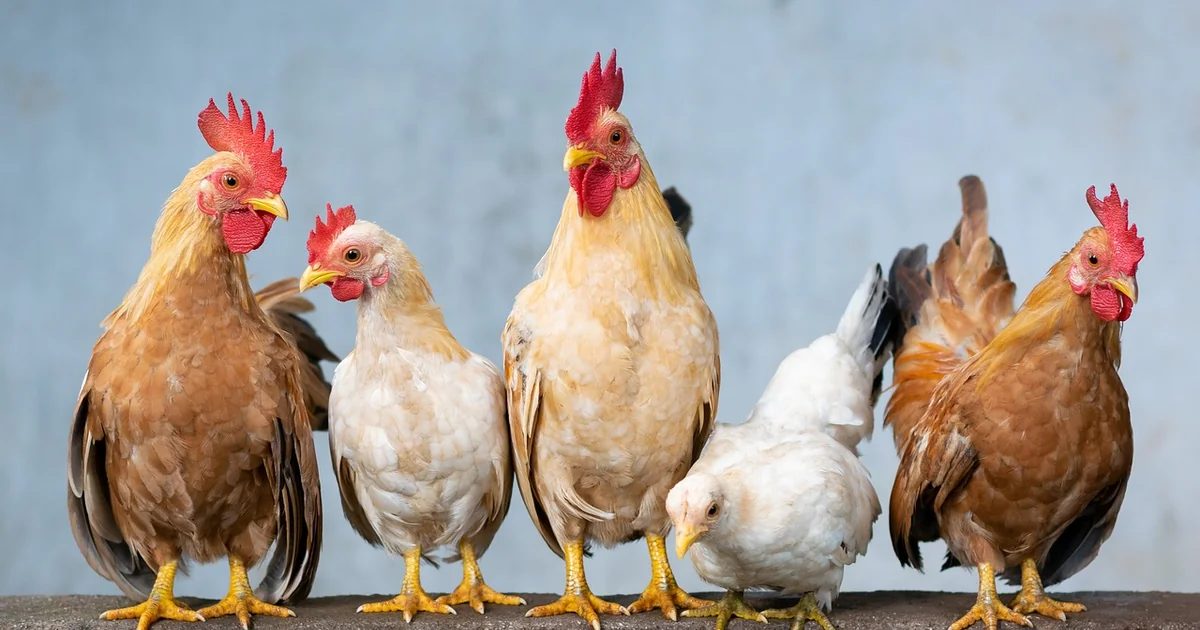
Tending to a flock of feathered friends can be one of the most rewarding aspects of a sustainable lifestyle. There is a unique sense of satisfaction that comes from collecting fresh eggs at sunrise or watching a brood of chicks explore a new patch of clover. However, a recent public health development has added a layer of complexity to this beloved hobby. A recent outbreak involving multidrug-resistant strains has put a spotlight on the potential for backyard chicken salmonella to impact human health in unexpected ways.
The Centers for Disease Control and Prevention (CDC) recently issued advisories regarding a cluster of illnesses linked to poultry. As of late April, reports indicated dozens of illnesses spanning across more than a dozen states. While many people assume that a mild case of foodborne illness is just a temporary inconvenience, the current situation is notably different. A significant percentage of those affected required hospitalization, and the bacteria involved are showing an alarming ability to bypass standard medical treatments.
The Rising Threat of Multidrug Resistance in Poultry
To understand why this specific situation is causing concern among health officials, we have to look at the biology of the bacteria itself. Most people are familiar with the concept of antibiotic resistance, but it is often discussed in the context of large-scale industrial farming. When these resistant strains find their way into a domestic setting, the dynamics change. In recent patient samples, the bacteria demonstrated a 100% resistance rate to fosfomycin, a critical antibiotic often reserved for treating infections that have already failed to respond to other medications.
Furthermore, several cases showed resistance to a cocktail of other drugs, including tetracycline, sulfisoxazole, streptomycin, and chloramphenicol. This creates a medical “dead end” where doctors have fewer tools to fight the infection. When a pathogen can shrug off multiple layers of defense, the risk to vulnerable populations—such as the elderly, young children, or those with compromised immune systems—increases exponentially. This is not merely a matter of getting a stomach ache; it is a matter of whether our current medical arsenal can keep up with evolving microbial threats.
The true scale of such an outbreak is often difficult to quantify. Like many foodborne illnesses, many individuals may experience symptoms and recover at home without ever visiting a clinic or being officially counted in national statistics. This means the actual number of people exposed to these specific resistant strains could be significantly higher than the reported figures. For the backyard keeper, this underscores the importance of viewing poultry management through a lens of rigorous biological safety.
7 Ways Backyard Chickens Are Spreading Antibiotic Resistant Bacteria
1. Environmental Contamination via Coop Surfaces and Bedding
One of the most overlooked pathways for bacteria is the physical environment where the birds live. Salmonella does not just live inside the chicken; it thrives in the dust, the damp bedding, and the various surfaces of the coop. When chickens move around, they kick up fine particles of dried manure and organic matter. These particles can become airborne or cling to your clothing and skin.
If you enter a coop without proper footwear or if you use the same shoes you wear inside your house, you are essentially transporting a microscopic hitchhiker from the coop to your kitchen or living room. The bacteria can survive for surprisingly long periods in moist, shaded areas of the coop structure. This creates a persistent reservoir of infection that is difficult to eliminate without a systematic cleaning protocol.
To mitigate this, consider implementing a “dedicated footwear” rule. Keep a pair of rubber boots or old sneakers strictly for outdoor chores. Additionally, focus on managing moisture levels in the bedding. Using high-quality hemp bedding or ensuring adequate ventilation can help prevent the damp conditions that allow bacteria to flourish and spread through the air.
2. Indirect Transmission Through Shared Equipment and Tools
Many hobbyists use various tools to maintain their flocks, such as egg baskets, waterers, feeders, and even shovels for cleaning. If these items are not sanitized regularly, they become vectors for transmission. Imagine a scenario where you use a wooden egg basket to collect eggs, then carry that same basket into the kitchen to place the eggs on the counter. If the basket has even a microscopic trace of fecal matter from the nesting box, you have just bridged the gap between the coop and your food preparation area.
The risk is particularly high with reusable items. Plastic waterers and metal feeders can develop tiny scratches over time. These microscopic crevices provide the perfect hiding spot for bacteria, making them difficult to reach with a simple rinse. Once the bacteria are lodged in these cracks, they can be released every time the equipment is moved or cleaned.
A practical solution is to adopt a strict sanitation schedule. Use a solution of diluted bleach or a specialized poultry disinfectant to clean all equipment at least once a week. When handling eggs, treat them as “dirty” until they have been properly washed and dried, and always use a dedicated container that never leaves the utility area of your home.
3. The Danger of Close Physical Contact and “Petting” Habits
The emotional bond between a human and their animals is a primary reason people keep chickens. It is natural to want to snuggle a soft hen or let a chick hop into your lap. However, this intimacy is one of the most direct routes for transmitting backyard chicken salmonella to humans. Bacteria are often present on the feathers and skin of the birds, even if the birds appear perfectly healthy.
The CDC has specifically advised against bringing chickens into the house or kissing them near the face. While it might feel harmless to give a hen a quick peck on the head, you are placing your mucous membranes—your mouth, nose, and eyes—in direct contact with potential pathogens. This is especially dangerous for families with small children, who are naturally more inclined to hug and kiss their pets.
To maintain a safe relationship with your flock, shift the interaction model. Focus on “hands-off” enrichment, such as providing interesting foraging items or watching them interact from a safe distance. If you do handle the birds, make handwashing an immediate and non-negotiable step. Use warm, soapy water and scrub for at least 20 seconds, paying close attention to the area under your fingernails.
4. Cross-Contamination During Egg Handling and Collection
Eggs are the most common product derived from backyard poultry, and they represent a significant point of contact. Even if an egg looks clean, the shell is porous. Bacteria can exist on the exterior of the shell, and through the process of “sweating” or temperature changes, those bacteria can potentially migrate toward the interior. More commonly, the act of touching a shell and then touching your mouth or a piece of bread is what leads to illness.
A common mistake is handling eggs with the same hands used to clean the nesting boxes. This creates a direct line of transmission. Furthermore, if eggs are stored in a way that allows them to touch other food items in the refrigerator, the risk of cross-contamination increases. A single contaminated egg can spread bacteria to milk, produce, or leftovers through contact.
To prevent this, implement a “clean hand” policy during egg collection. Use a dedicated egg crate that is wiped down regularly. Once inside, wash your hands immediately. When storing eggs, keep them in a closed carton rather than in an open bowl, which provides a physical barrier between the eggshells and other household foods.
5. Improper Waste Management and Manure Disposal
Managing the waste produced by a flock is a constant chore, but it is also a critical component of biosecurity. Manure is a concentrated source of bacteria. If manure is allowed to pile up or if it is spread in a way that allows it to blow back into the house or onto garden vegetables, it can spread pathogens throughout your entire property.
You may also enjoy reading: Kia Sales Surge 54% as Full Lineup Drives Massive Growth.
Consider a scenario where a homeowner uses chicken manure as compost for a vegetable garden. If the composting process does not reach high enough temperatures to kill pathogens, the resulting soil could be contaminated. This can lead to the transmission of bacteria through the consumption of raw vegetables like lettuce or radishes that grew in that soil.
The solution lies in controlled composting. Ensure that your compost pile reaches at least 131 degrees Fahrenheit (55 degrees Celsius) to effectively neutralize bacteria. Additionally, keep your waste storage areas far away from your home and your vegetable patches. Using enclosed bins for manure storage can prevent wind from spreading dried particles across your yard.
6. The Role of Unregulated Feed and Water Sources
While we often focus on the birds, the inputs we provide to them can also be a source of concern. Feed and water are essential, but they can also be contaminated. If feed is stored in bags that are left open, it can be exposed to pests like rodents or wild birds, both of which are notorious carriers of various bacteria. Contaminated feed can then become a breeding ground for pathogens within the flock, which eventually find their way to the human keeper.
Water sources are equally important. Standing water in a feeder can quickly become a stagnant pool of bacteria if not changed daily. In warmer months, the temperature of the water can encourage rapid microbial growth. This creates a cycle where the birds are constantly consuming and spreading bacteria through their droppings and environment.
To manage this, invest in airtight, heavy-duty storage containers for all poultry feed. This keeps moisture out and prevents rodents from accessing the supply. For water, prioritize automatic watering systems that provide a constant flow of fresh water, or commit to a strict daily cleaning and refilling schedule to ensure no stagnant water is ever present.
7. Neglecting Biosecurity in the Face of Wild Bird Interaction
Your backyard is not an isolated ecosystem. Wild birds, such as sparrows, pigeons, and waterfowl, frequently visit chicken coops to scavenge for dropped grain. These wild visitors are often carriers of various diseases and bacteria, including salmonella. When wild birds interact with your flock or their equipment, they can introduce new, potentially more resistant strains of bacteria into your domestic environment.
This “biological bridge” between wild populations and domestic animals is a major factor in how new outbreaks emerge. If a wild bird leaves droppings in your feeder, and your chickens then consume that feed, the pathogens are now part of your flock’s internal environment. From there, they can spread to your tools, your clothes, and ultimately, your family.
To minimize this risk, focus on predator and pest exclusion. Ensure your coop is “wild-bird proof” by using fine mesh screening that prevents small wild birds from entering the nesting or feeding areas. Additionally, avoid feeding your chickens outdoors in an open area where wild birds can easily congregate. Keeping feeding activities contained within a secure, screened enclosure significantly reduces the chance of cross-species contamination.
Practical Steps for Maintaining a Safe Poultry Environment
While the information regarding recent outbreaks can feel overwhelming, it is important to remember that these risks are manageable. Maintaining a backyard flock does not have to be a health hazard, provided you approach it with a mindset of hygiene and biosecurity. The goal is to create a clear boundary between the “animal zone” and the “human zone.”
Start by auditing your current routine. Do you wear the same shoes inside and out? Do you wash your hands immediately after handling eggs? Small, incremental changes in behavior often yield the most significant results in long-term safety. For example, setting up a dedicated hand-washing station near the coop entrance—complete with a pump soap dispenser and paper towels—can make the habit much easier to maintain.
Education is also a powerful tool. If you have children, involve them in the safety process. Teach them that while chickens are wonderful, we only touch them with “clean hands” and we always wash up afterward. Making it a game or a routine part of “farm chores” can help them understand the importance of hygiene without making them fearful of the animals.
Finally, stay informed. Public health advisories from organizations like the CDC provide vital information about emerging trends. While it may seem tedious to keep up with these updates, being aware of a specific outbreak or a new resistant strain allows you to tighten your biosecurity measures exactly when it matters most. By staying vigilant and proactive, you can continue to enjoy the joys of poultry keeping while protecting the health of your household and community.