Why South Africa Matters to Bolt
Bolt Technology has poured roughly $180 million into building its presence in South Africa. That figure is not small change for a ride-hailing company that operates in more than 50 countries. The Estonian firm claims it commands over half of the ride-hailing market in Africa’s largest economy. If that claim holds, South Africa stands out as one of the few places globally where Uber does not wear the crown.
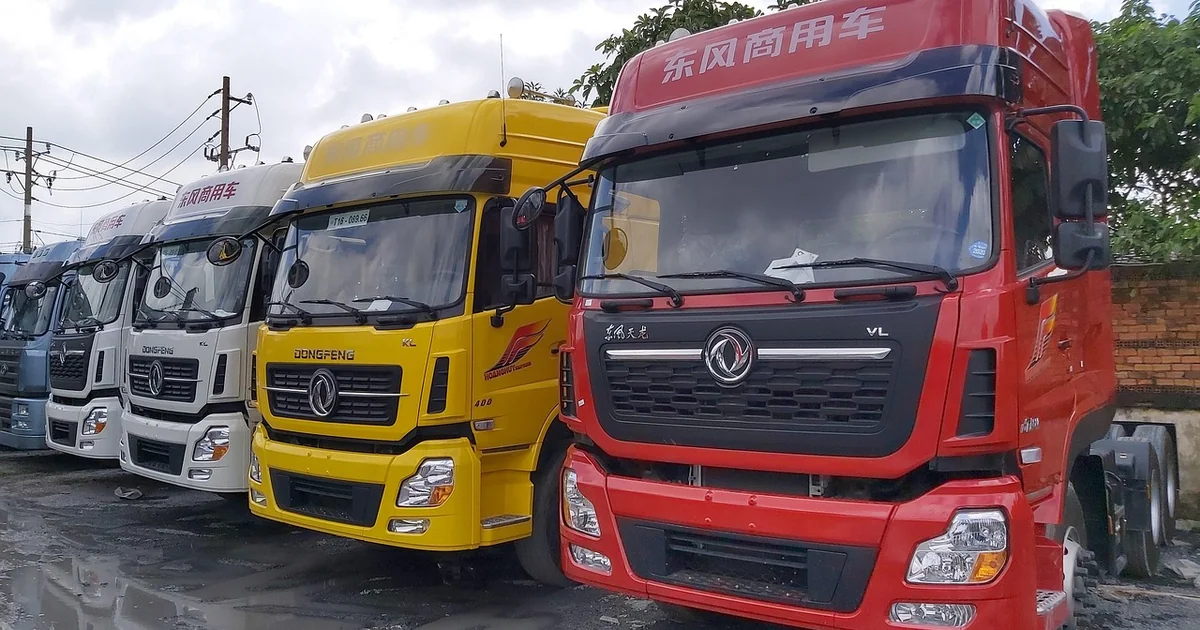
Simo Kalajdzic, the manager overseeing Bolt’s South African operations, describes the country as a “strong strategic priority.” South Africa consistently ranks among Bolt’s top 10 markets worldwide. That ranking explains why the company chose this location for its latest experiment with electric vehicles. The bolt dongfeng ev fleet partnership represents a calculated bet on a market where Bolt already holds a commanding position.
Bolt’s broader footprint now spans more than 850 cities across over 50 countries. The company earned a €7.4 billion valuation during a 2022 funding round, pulling in €628 million from heavyweights like Sequoia Capital and Fidelity Management. It has since dipped into East Asia with a Taiwan launch, entered Canada under a sub-brand called Hopp, and even deployed scooters in Washington, DC. South Africa, however, remains a core focus.
The Electric Vehicle Calculus for Ride-Hailing
Fuel costs eat up a massive portion of a ride-hailing driver’s earnings. When global oil prices climb, drivers feel the pinch directly. The ongoing Iran conflict has pushed fuel prices higher, making an already tight margin even thinner. Electric vehicles offer a way out. Running an EV costs significantly less per kilometre than running a petrol or diesel car. For a driver covering hundreds of kilometres each week, those savings add up fast.
The logic behind electrifying a ride-hailing fleet in South Africa is straightforward on paper. Drivers earn more per trip. Riders get a quieter, cleaner experience. The platform becomes more attractive to new drivers looking for better economics. Yet the path from logic to reality is never that simple. Infrastructure stands in the way.
South Africa’s charging network remains sparse compared with what drivers in Europe or China take for granted. The country’s electricity grid has a history of unreliability, though the worst of the load-shedding crisis has eased in recent months. Bolt is not pretending these problems do not exist. The company is taking a phased approach, starting in Cape Town, where charging infrastructure is more developed than in most other South African cities.
Infrastructure Constraints Force a Phased Rollout
Cape Town makes sense as a starting point for the bolt dongfeng ev fleet. The city has a higher concentration of charging stations than Johannesburg or Durban. It also attracts a rider base that is more likely to appreciate and request electric vehicles. Still, the constraints are real. Kalajdzic has been clear that the rollout will proceed carefully, matching vehicle deployment with charging availability.
The grid reliability question adds another layer of complexity. South Africa endured rolling blackouts for years, with some stages cutting power for hours at a time. A driver who cannot charge their vehicle overnight faces a ruined workday. The recent improvement in load-shedding does not guarantee the problem is solved permanently. Bolt’s cautious pace reflects an understanding that infrastructure must keep up with vehicle deployment, not the other way around.
Yugo Rides, a fleet management company, will operate the vehicles in this partnership. That arrangement shifts the operational burden away from individual drivers. Yugo handles maintenance, charging schedules, and vehicle availability. Drivers can focus on driving rather than worrying about battery range or finding a working charger at the end of a shift.
How the Bolt Dongfeng EV Fleet Deal Works
Dongfeng Motor Group is supplying two vehicle models for the fleet. The Box is a compact hatchback designed for urban driving. The 007 is a more premium sedan aimed at riders who want a higher-end experience. Both are fully electric. Both will be available to riders through Bolt’s platform in Cape Town initially.
Financial terms of the deal have not been disclosed. The scale is modest for now. This is not a blockbuster order of thousands of vehicles. It is a targeted, phased introduction that allows both companies to learn and adjust. Dongfeng gains something valuable from the arrangement: a distribution channel in a market where Chinese automakers are still building consumer awareness.
BYD and other Chinese EV manufacturers have made significant inroads in Europe and Southeast Asia. Dongfeng is less known outside China, especially in Africa. Partnering with a ride-hailing platform puts its vehicles in front of millions of riders without the expense of building a retail network from scratch. Every trip in a Dongfeng vehicle becomes a test drive for potential buyers.
The IPO Question and ESG Narrative
Bolt is weighing an initial public offering. Kalajdzic says the company will “consider options when market conditions are right.” That phrasing is standard for venture-backed companies that are preparing for an IPO without committing to a timeline. The €7.4 billion valuation from 2022 provides a reference point, but market conditions for ride-hailing IPOs have shifted since then.
Public market investors care about environmental, social, and governance metrics. An EV fleet strengthens Bolt’s ESG narrative. It shows the company is taking concrete steps to reduce emissions in its operations. That matters when you are asking institutional investors to buy your stock. The bolt dongfeng ev fleet gives Bolt a tangible story to tell about sustainability, not just promises but actual vehicles on actual roads.
Uber has been slower to electrify its fleet in emerging markets. That creates an opening for Bolt. If Bolt can demonstrate that EV ride-hailing works in South Africa, it can replicate the model in other African markets and beyond. The first-mover advantage in a continent of 1.4 billion people is not trivial.
What Dongfeng Gains from the Deal
Chinese automakers are expanding aggressively into global markets. Dongfeng needs a foothold in Africa, and a ride-hailing partnership offers exactly that. Every passenger who rides in a Dongfeng vehicle experiences the brand firsthand. Positive impressions can translate into future car purchases, especially among urban professionals who are the primary ride-hailing users.
You may also enjoy reading: Unitree Debuts $650K China Robot Juggernaut Gundam.
Dongfeng also avoids the expense and complexity of building a dealer network in South Africa. Dealerships require real estate, inventory financing, trained staff, and years of brand building. A fleet partnership bypasses all of that. The vehicles go straight into revenue service from day one. Dongfeng collects data on how the cars perform in South African conditions, from road quality to charging behaviour.
That data is valuable. It informs product adjustments, pricing strategies, and marketing approaches for other African markets. Dongfeng is not just selling vehicles in this deal. It is buying market intelligence and brand exposure at the same time.
The Broader Implications for Emerging Markets
The partnership is small today, but its implications reach far beyond Cape Town. If the economics work at scale, Bolt can replicate the model across its African footprint. Countries like Kenya, Nigeria, and Ghana have growing ride-hailing markets and rising fuel costs. The same logic that makes EVs attractive in South Africa applies there too, though infrastructure challenges vary.
Rising fuel prices linked to geopolitical tensions are not going away. The Iran conflict is just one example of how global energy markets create local pain for drivers. EVs insulate drivers from that volatility. A driver who switches to an electric vehicle locks in a predictable per-kilometre cost that does not spike when oil prices jump. That stability is valuable in emerging markets where income can be irregular.
The charging infrastructure problem is solvable over time. South Africa’s grid challenges are significant but not unique. Kenya runs on renewable energy and has a more stable grid. Nigeria has a massive petrol subsidy culture that is slowly unwinding. Each market presents different obstacles and opportunities. Bolt’s phased approach in South Africa serves as a prototype that can be adapted elsewhere.
Competition with Uber adds another layer of motivation. Uber has dominated ride-hailing globally for years, but it has been cautious about EV adoption in emerging markets. Bolt sees an opportunity to differentiate itself. A platform that offers lower per-trip costs for drivers and cleaner rides for passengers has a compelling value proposition. The bolt dongfeng ev fleet is a tangible step in that direction.
There is also a timing advantage. Global pressure on companies to disclose carbon footprints is increasing. Regulators in Europe are tightening reporting requirements. Investors are asking harder questions. Bolt’s ESG credentials improve with every electric kilometre driven on its platform. That positioning matters when the company eventually goes public.
The deal is modest in financial terms and cautious in its execution. That is exactly the right approach for a market where infrastructure is improving but not yet reliable. Bolt is not betting the company on this partnership. It is testing a thesis: that electric vehicles can improve driver economics, attract riders, and strengthen the company’s long-term position in Africa.
Dongfeng, for its part, is testing a different thesis: that ride-hailing platforms can serve as an efficient distribution channel in markets where traditional retail is expensive and slow to build. Both companies have something to prove, and both are starting with a small, manageable experiment in Cape Town.
The real test will come when the fleet expands beyond Cape Town. Charging infrastructure in Johannesburg and Durban will need to catch up. Grid reliability will need to hold. Driver adoption will need to be strong enough to keep vehicles in productive use. None of those conditions are guaranteed. But the direction is clear. Electric vehicles are coming to ride-hailing in South Africa, and Bolt and Dongfeng are positioning themselves at the front of that wave.