Imagine the scene: you have finally touched down in a beautiful new city after a grueling ten-hour flight. You are exhausted, your skin feels dry from the cabin air, and all you want to do is plug in your phone, set an alarm for tomorrow, and drift into a deep sleep. You reach into your bag, pull out your charging cable, and realize with a sinking heart that the wall socket looks nothing like the one in your living room. The pins are too large, the holes are too small, or perhaps the shape is entirely alien. This minor frustration can quickly derail the excitement of a new adventure, which is why finding the best travel adapters before you depart is one of the most critical steps in trip preparation.
The Great Voltage Debate: Do You Really Need a Converter?
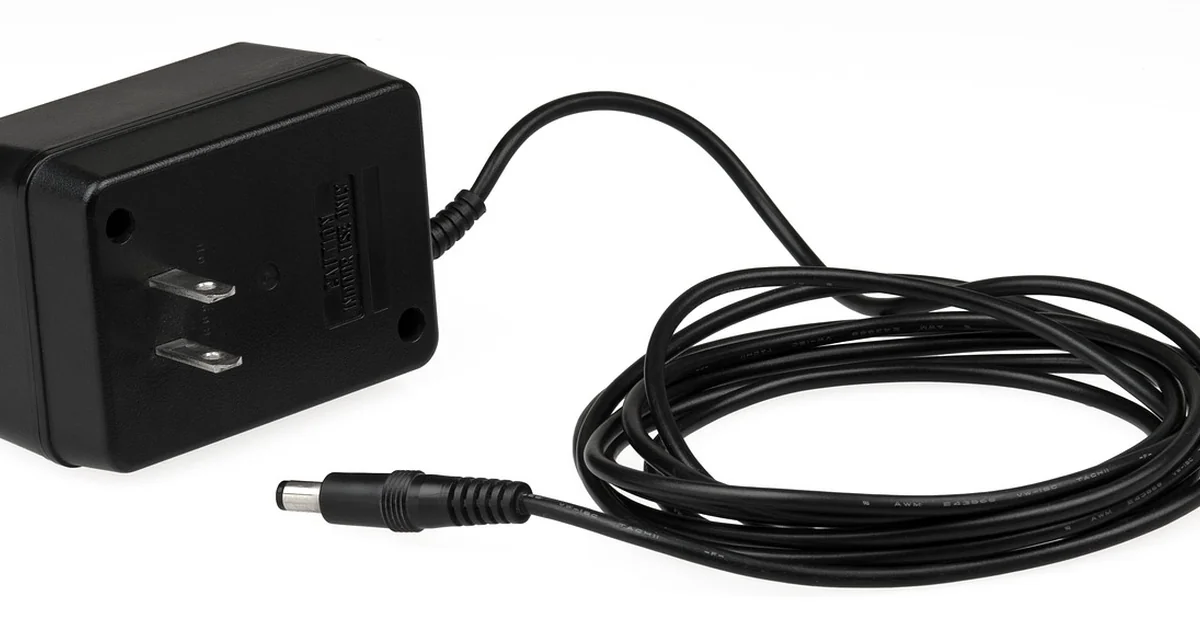
The reason you might think you need a voltage converter is a very logical one. Most travel adapters are purely mechanical bridges; they change the shape of the pins so they fit into the wall, but they do nothing to alter the electrical current itself. For instance, if you take a device designed for the 120V system in the US and plug it into a 220V socket in the UK, you are essentially forcing a massive surge of energy into a device that wasn’t built to handle it. This is where the fear of “frying” your expensive electronics comes from.
Don’t worry, though! Most of the modern technology we carry in our pockets and backpacks is much smarter than we give it credit for. The vast majority of contemporary gadgets—smartphones, tablets, laptops, and even many high-end cameras—are designed to be “dual voltage.” You can verify this by looking at the fine print on your device’s power brick or the charging block itself. Look for the phrase “Input: 100–240V 50/60Hz.” If you see that range, your device is a global citizen and can safely navigate almost any electrical grid without an additional converter.
However, there are exceptions to this rule. High-wattage appliances that generate heat, such as older hair dryers, certain curling irons, or specialized kitchen gadgets, often operate on a single voltage. If you attempt to use a non-dual voltage hair dryer in a high-voltage country, you will likely see smoke and smell burning plastic within seconds. To mitigate this, I suggest a different strategy: leave the heavy heating appliances at home. Most hotels and short-term rentals provide hair dryers, kettles, and irons as standard amenities. If you absolutely must bring a specific tool, like the Ceptics 2,000-watt Travel Voltage Converter, ensure it is used only with mechanical-switch appliances. Modern devices with electronic circuit boards or digital temperature controls can still be damaged even when used with a converter, so always read the manufacturer’s warnings carefully.
The Best Travel Adapters for Different Traveler Profiles
Not every traveler has the same needs. A digital nomad working from a cafe in Bali has vastly different requirements than a backpacker hopping between hostels in Southeast Asia. To find the best travel adapters for your specific journey, you need to look at three main pillars: port variety, wattage capacity, and physical footprint.
1. The All-in-One Universal Power Hub
For the frequent flyer who moves between continents, a high-quality universal adapter is the gold standard. These devices typically feature sliding pins that can accommodate almost every major plug type. The most effective versions in 2026 are those that integrate multiple USB-C and USB-A ports directly into the chassis. This allows you to charge your laptop, phone, and wireless earbuds simultaneously from a single wall outlet, which is a lifesaver in older European hotels where power sockets are often sparse and located in inconvenient places.
2. The Compact Regional Specialist
If you know exactly where you are going—say, a two-week tour of Japan—there is no reason to carry a bulky universal unit. Instead, opt for a dedicated Type A or B adapter. These are significantly smaller, lighter, and often more stable in the socket. Because they don’t have moving parts or sliding mechanisms, they are less likely to become loose or fall out of the wall, which can happen with cheaper universal models when heavy cables are attached.
3. The High-Wattage Power Station
For those who rely heavily on high-performance gear like MacBook Pros or specialized drones, a standard adapter might not cut it. You should look for adapters that support Power Delivery (PD) standards. These adapters can negotiate the correct amount of wattage to ensure your device charges at its maximum possible speed. When shopping, pay attention to the total wattage output. While a phone might only need 20W or 30W, a laptop might demand 65W to 100W. A common myth is that a high-wattage charger will “overcharge” or damage a low-power device. This is false. The device itself acts as the gatekeeper, pulling only the amount of energy it requires. A 100W charger is perfectly safe for a 5W pair of headphones.
4. The Multi-Country USB-C Focused Model
As we move further into an era where USB-C is the universal standard for almost everything from iPhones to Nintendo Switches, your adapter choice should reflect this. Look for models that prioritize high-speed USB-C ports over the older, slower USB-A ports. In 2026, an adapter that lacks at least one 65W USB-C Power Delivery port is already becoming obsolete for serious travelers.
5. The Ruggedized Adventure Adapter
If your travels involve hiking, camping, or moving through humid, tropical environments, you need something with a bit more grit. Some specialized adapters are designed with reinforced housing and better weather resistance. While they aren’t waterproof, they are built to withstand the bumps and drops that come with a life on the move. These are often preferred by travelers who prioritize durability over the slim, aesthetic designs of urban-focused tech.
You may also enjoy reading: 7 Rumored iPhone 18 Pro Upgrades You Can’t Miss.
6. The Minimalist Single-Device Charger
Sometimes, less is more. If you are a minimalist who only travels with a smartphone and a single pair of headphones, a massive multi-port hub is just extra weight in your carry-on. Small, “wall-wart” style adapters that plug directly into the socket without a cord are incredibly efficient for light travelers. They take up almost no space and are perfect for quick overnight stays where you don’t need to set up a full workstation.
7. The Smart Adapter with Integrated Monitoring
A newer trend in the best travel adapters involves integrated digital displays. These tiny screens show you exactly how many watts are being drawn by your connected devices in real-time. This is an incredibly useful feature for troubleshooting. If your laptop isn’t charging as fast as it should, you can look at the display to see if the adapter is actually delivering the promised power or if there is a bottleneck in your cable.
Practical Solutions for Common Charging Failures
Even with the best gear, things can go wrong. One of the most frustrating scenarios is arriving at a hotel only to find that your adapter fits the wall, but your devices aren’t actually charging. This is often not a problem with the adapter, but with the cable or the device’s power requirements. To prevent this, I always recommend a “pre-flight” test. Before you leave your house, plug your adapter, your cable, and your device into a wall outlet and let them charge for at least thirty minutes. This ensures that you haven’t purchased a faulty unit and that your cables are capable of handling the power delivery required by your hardware.
Another common issue is the “loose fit” problem. Some universal adapters, especially cheaper ones found in gift shops, can feel wobbly when plugged in. If the connection is loose, it can cause arcing—a tiny electrical spark that can damage both the adapter and your device. If you find your adapter is slipping out of the wall, try to use shorter, lighter cables to reduce the leverage pulling the plug downward. Alternatively, invest in a higher-quality adapter with a more robust internal clamping mechanism.
There is also the temptation to buy replacements at the airport. While you certainly can buy travel adapters at the airport, it is almost always a mistake. Airport kiosks typically charge a massive premium for very basic, low-quality models. You will likely end up paying three times the market price for a device that might not even support the specific voltage or USB standards you need. It is much more cost-effective to order your gear online well in advance of your departure.
Final Checklist for International Power Success
To ensure you never find yourself in the dark, keep this quick checklist in mind before you head to the airport. First, verify the plug type for every country on your itinerary. Second, check the “Input” label on every single electronic device you plan to bring to confirm it is dual-voltage. Third, prioritize adapters with multiple USB-C ports to future-proof your setup. Finally, always carry a small pouch with your essential cables, as a great adapter is useless without a reliable way to connect it to your gear.
By taking these small, proactive steps, you can turn a potentially stressful technical hurdle into a non-issue, allowing you to focus on what really matters: exploring the world and making unforgettable memories.