Imagine receiving a phone call from someone who knows your full name, your exact home address, and even your date of birth. They sound professional, perhaps even claiming to be from a government agency or a well-known utility company. Because they have such specific details about your life, your natural instinct is to trust them. This is the terrifying reality of modern cybercrime, where stolen data is used to build a sense of false legitimacy. The recent adt data breach has brought this exact nightmare to the forefront of digital security concerns, leaving millions of people wondering how safe their personal information truly is in an interconnected world.
The Anatomy of the ShinyHunters Intrusion
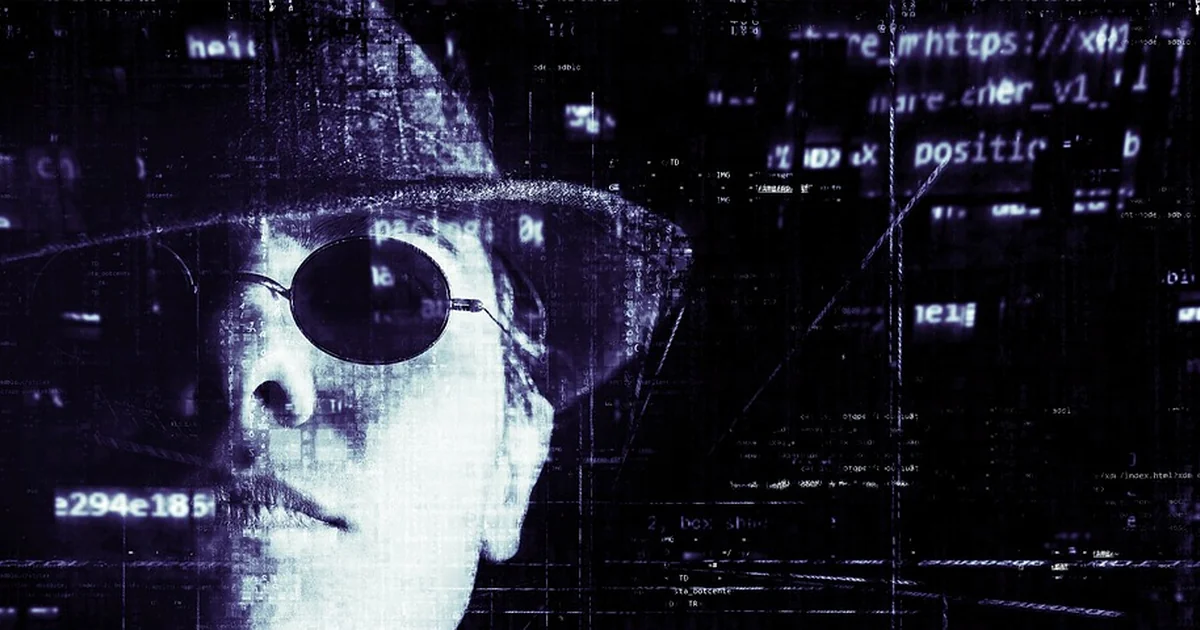
The breach was not a brute-force attack on a massive firewall, but rather a calculated manipulation of human psychology. The cybercrime collective known as ShinyHunters reportedly gained entry to the systems by targeting a single employee through a technique called vishing, or voice phishing. In this scenario, an attacker calls an employee, posing as a trusted entity, to trick them into handing over credentials for their Okta single sign-on (SSO) account. Once the attackers possessed these credentials, they bypassed the primary gatekeeper of the company’s digital ecosystem.
By compromising the SSO account, the intruders were able to move laterally into other critical software platforms. Specifically, they gained access to the company’s Salesforce instance. Salesforce is a massive customer relationship management (CRM) tool used by businesses to store vast amounts of client data. This is where the damage occurred. While the physical security hardware in homes remained untouched, the digital records associated with those homes were laid bare. The group eventually leaked an 11GB archive of this stolen information on the dark web after their attempts to extort the company failed.
It is important to note the scale of this operation. While the company has stated the intrusion was limited, data breach notification services like Have I Been Pwned have identified that approximately 5.5 million individuals had their information exposed. This group, ShinyHunters, has a documented history of high-profile strikes, having previously targeted major entities like Medtronic and even the European Commission. Their methodology focuses on the “soft underbelly” of modern corporations: the single sign-on accounts that grant access to multiple cloud-based applications like Microsoft 365, Google Workspace, and Slack.
How the adt data breach Impacts Your Personal Safety
When a breach occurs at a home security provider, the immediate fear is often physical. People worry that a burglar might gain access to their alarm codes or camera feeds. Fortunately, the investigation into the adt data breach confirmed that customer security systems and payment information, such as credit card numbers or bank details, were not compromised. The integrity of the actual monitoring hardware remains intact.
However, the risk shifts from physical security to identity security. The stolen data includes names, phone numbers, physical addresses, and in some instances, dates of birth and partial Social Security numbers or Tax IDs. While a partial Social Security number might seem less dangerous than a full one, it provides a critical piece of the puzzle for identity thieves. When combined with a full name and address, these fragments allow criminals to build a convincing profile of you.
The real danger lies in the “social engineering” aspect of the stolen data. If a criminal knows exactly where you live and when you might be home (based on security service patterns), they can craft highly convincing scams. They might call you pretending to be a technician needing to update your system, or a billing agent noticing a discrepancy. Because they have your actual data, you are far more likely to lower your guard, which is exactly what these attackers want.
The Risk of Targeted Phishing and Vishing
With your phone number and address in the hands of bad actors, you become a prime target for highly personalized phishing attacks. Unlike the generic “Dear Customer” emails of the past, these messages can be incredibly specific. A scammer might send a text message that says, “Hello [Your Name], we noticed a service issue at [Your Address]. Please click here to schedule a technician.”
This level of detail makes it difficult to distinguish between a legitimate communication from your service provider and a fraudulent attempt to steal more sensitive data. These attacks often lead to “credential harvesting” sites, where you are prompted to enter your full Social Security number, passwords, or even banking details to “verify” your identity. Once you enter that information, the thief has everything they need to commit full-scale identity theft.
The Long-Term Threat of Identity Fragmentation
Identity theft is rarely a one-time event; it is often a slow, grinding process. Stolen data is frequently sold in bulk on dark web marketplaces. One group might buy your contact information to run spam campaigns, while another might buy your partial government IDs to attempt fraudulent loan applications. This means that even if you do not experience a problem today, your information could resurface in a new type of scam months or even years from now.
This “fragmented” identity theft is particularly difficult to combat because it happens in small increments. A criminal might use your partial Tax ID to bypass a security question on a different website, or use your address to intercept a physical piece of mail. The cumulative effect of these small breaches creates a massive vulnerability that can eventually lead to compromised credit scores, fraudulent tax filings, or unauthorized medical services being billed in your name.
Practical Steps to Protect Your Identity Post-Breach
While you cannot undo the fact that your data was part of a breach, you can significantly increase the difficulty for anyone attempting to use it. Protecting yourself requires a multi-layered approach that addresses both your digital presence and your financial standing.
You may also enjoy reading: 7 Best Chirp Discount Codes and Deals to Save Big Now.
Immediate Actions: Monitoring and Freezing
The most effective tool at your disposal is the credit freeze. By contacting the three major credit bureaus—Equifax, Experian, and TransUnion—you can place a freeze on your credit reports. This prevents lenders from accessing your credit file, which effectively stops identity thieves from opening new lines of credit or taking out loans in your name. Unlike a credit alert, a freeze is a hard stop that requires you to manually lift it whenever you actually want to apply for credit.
In addition to freezing your credit, you should enroll in identity theft monitoring services. Many companies offer these services, and some insurance providers include them in their policies. These tools scan the dark web and public records for your specific information, alerting you the moment your name or Social Security number appears in a new data leak. While not a silver bullet, it provides the early warning system necessary to react before significant damage is done.
Digital Hygiene: Strengthening Your Logins
Since the breach was facilitated by a compromised single sign-on account, it is a stark reminder of the importance of robust authentication. You should immediately audit your own digital life. Ensure that every sensitive account—email, banking, social media, and utility providers—is protected by a strong, unique password. Never reuse the same password across different platforms; if one site is breached, all your accounts become vulnerable.
More importantly, you must enable Multi-Factor Authentication (MFA) on every account that supports it. Whenever possible, avoid using SMS-based text codes for MFA, as these can be intercepted through “SIM swapping” attacks. Instead, use an authenticator app (like Google Authenticator or Microsoft Authenticator) or, even better, a physical hardware security key (like a YubiKey). These methods require a physical device in your possession, making it nearly impossible for a remote attacker to gain access even if they have your password.
Vigilance Against Social Engineering
The next time you receive an unsolicited call, text, or email, treat it with extreme skepticism, regardless of how much personal information the sender seems to know. If a caller claims to be from a company you use, do not provide any information to them. Instead, hang up and contact the company directly using a verified phone number from their official website or your most recent paper statement.
Training yourself to recognize the signs of vishing is essential. Be wary of callers who create a sense of artificial urgency, such as claiming your account will be closed immediately or that there is a legal issue that requires instant resolution. Legitimate organizations will almost never ask for sensitive information like passwords or full Social Security numbers over the phone in an unprompted call. By maintaining this “trust but verify” mindset, you can neutralize the effectiveness of the stolen data.
Summary of Protective Measures
While the scale of the data exposure is significant, your proactive response can mitigate the majority of the risks. Focus on securing your credit, hardening your digital logins with multi-factor authentication, and maintaining a high level of skepticism regarding unsolicited communications. By understanding the methods used in the adt data breach, you are better equipped to recognize and defend against the next wave of digital threats.