The shift from minivans to three-row SUVs has been one of the most noticeable changes in the automotive world over the past decade. Families who once defaulted to a sliding-door people mover now crave the higher driving position, rugged styling, and perceived capability of an SUV. Both offer seating for up to eight people, both hover around the $50,000 mark, and both promise to handle the school run and the weekend road trip with equal ease. But they approach the job from completely different angles. After spending a full week with each, I have a clear favorite.
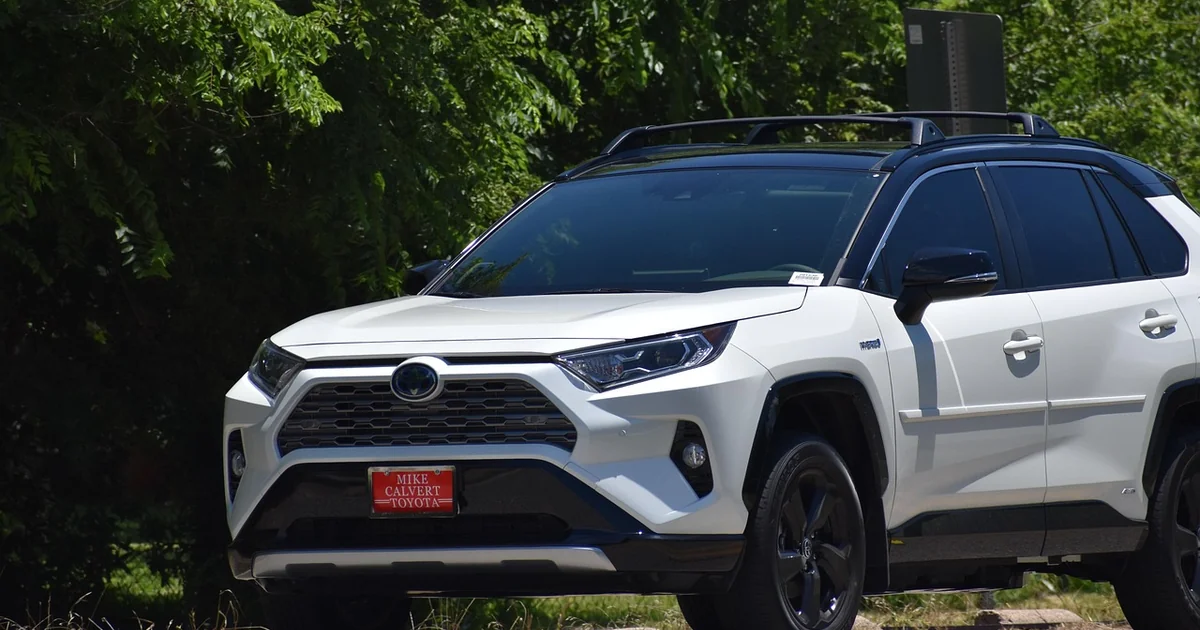
The three-row SUV segment is more crowded than ever. Brands like Kia, Hyundai, and Volkswagen all offer compelling options. Yet the toyota grand highlander vs Honda Pilot debate remains one of the most common conversations among families. Both brands have decades of reliability data behind them. Both hold their resale value exceptionally well. And both have recently been redesigned to better compete with the latest crop of electric and hybrid competitors.
What makes this particular comparison so timely is the growing pressure on fuel prices. A family that drives 15,000 miles per year can see a difference of several hundred dollars annually between a hybrid powertrain and a traditional V6. The Grand Highlander offers a hybrid option. The Pilot does not. That single detail reshapes the entire buying decision for many households.
First Impressions: Design Philosophy Clashes
Park these two SUVs side by side, and you immediately see two different design languages at work. The Toyota Grand Highlander adopts a blocky, slab-sided silhouette that prioritizes interior volume over visual flair. It is a shape that says “utility first.” The front end is upright and simple, with a large grille and horizontal lines that make it look wider than it actually is. It echoes the scaled-up look of the RAV4, which is not a bad thing for buyers who appreciate consistency across a brand lineup.
The Honda Pilot Elite takes a more athletic approach. Its front grille combines a honeycomb pattern on the lower section with wider horizontal blocks on top. The hood has subtle power bulges. The side profile shows muscular wheel arches. And the rear end features the Pilot name spelled out in bold letters, flanked by dual exhaust outlets. This is a design that tries to look tougher than a typical family hauler.
For my personal taste, the Pilot wins this round. It feels more special, more considered. But I understand why someone might prefer the Grand Highlander’s understated anonymity. It blends into parking lots without drawing attention. That can be a virtue for buyers who do not want their vehicle to make a statement.
Interior Quality and Layout
Step inside, and the differences continue. The Grand Highlander’s cabin feels wide and airy. The dashboard is horizontal and clean, with a large infotainment screen perched on top. Materials are good but not luxurious. Soft-touch surfaces appear on the door panels and dashboard, but there are hard plastics lower down. The second-row captain’s chairs in my test vehicle were comfortable and offered plenty of legroom. The third row is genuinely usable for adults on shorter trips, which is rare in this class.
The Honda Pilot Elite cabin feels more upscale. The leather seats have contrast stitching. The dashboard design is more layered and sculpted. The second-row seats slide forward with one touch, making third-row access easier than in the Toyota. The third row itself is slightly tighter for knee room but still acceptable for teenagers or smaller adults. The Pilot also offers a clever center console that can be configured multiple ways, including a pass-through for long items like skis.
Both vehicles have excellent visibility from the driver’s seat. The Grand Highlander’s boxy shape gives you a commanding view of the hood. The Pilot’s lower beltline helps you see corners better when parking. Neither feels claustrophobic, even with all three rows filled.
Under the Hood: Hybrid Efficiency Versus V6 Power
Here is where the toyota grand highlander vs Honda Pilot comparison becomes a true philosophical divide. The Grand Highlander Limited Hybrid I tested uses a 2.5-liter four-cylinder engine paired with an electric motor and an eCVT transmission. Total system output is 245 horsepower. The Honda Pilot Elite relies on a traditional 3.5-liter V6 engine producing 285 horsepower, mated to a ten-speed automatic transmission.
On paper, the Honda has a clear power advantage. That extra 40 horsepower translates to stronger highway merging and more confident passing on two-lane roads. The V6 also sounds better. It has a pleasant growl under hard acceleration, while the Toyota’s four-cylinder drones when pushed. But straight-line performance is not the only metric that matters.
Real-World Fuel Economy Results
During my week with the Grand Highlander, I averaged an astonishing 38.8 miles per gallon. That is nearly five mpg better than its EPA combined rating of 34 mpg. On one short-distance trip, I saw 47.4 mpg. Even my worst long-distance tank returned 31.8 mpg. Those numbers are remarkable for a vehicle that seats seven people and weighs over 4,500 pounds.
The Honda Pilot Elite returned an average of 22.3 mpg during my week. That is slightly better than its EPA combined rating of 21 mpg. My best short-distance run was 22.4 mpg, and my best long-distance tank was 24.2 mpg. These are respectable figures for a non-hybrid V6 SUV. But they cannot compete with the Toyota’s hybrid efficiency.
To put this in perspective: if you drive 15,000 miles per year and gas costs $3.50 per gallon, the Grand Highlander would cost about $1,355 in fuel annually. The Pilot would cost about $2,355. That is a difference of $1,000 per year. Over five years, that is $5,000 in your pocket. For many families, that alone decides the winner.
Driving Dynamics: Comfort Versus Engagement
The Grand Highlander prioritizes a soft, compliant ride. It absorbs bumps and potholes with a maturity that surprises you in a vehicle this size. The steering is light and easy, making it feel smaller than it is in tight parking lots. The eCVT transmission is smooth, though it does cause the engine to hold at high rpm during hard acceleration. Body roll is noticeable in corners, but that is expected in a tall, heavy SUV.
The Honda Pilot Elite feels more planted and athletic. The steering has more weight and feedback. The suspension does a better job controlling body motions during quick lane changes. The ten-speed automatic shifts crisply and always seems to find the right gear. The Pilot also has a more sophisticated all-wheel-drive system that can send torque to the rear wheels more aggressively, which helps in rain or light snow.
For daily commuting, the Toyota’s softer ride is more relaxing. For winding back roads or longer highway trips, the Honda’s composure inspires more confidence. Neither is a sports car. But the Pilot feels like it was engineered by people who enjoy driving. The Grand Highlander feels like it was engineered by people who value comfort above all else.
Noise, Vibration, and Harshness
Wind noise is well controlled in both vehicles at highway speeds. The Grand Highlander has a slight advantage in tire noise, likely due to its hybrid system masking some low-speed sounds. The Pilot’s V6 is quieter at idle and during light throttle. But under full throttle, the Toyota’s four-cylinder becomes louder and more strained. The Honda’s V6 remains refined even when pushed hard.
Technology and Infotainment
Both SUVs come with large touchscreen displays. The Grand Highlander uses Toyota’s latest infotainment system with a 12.3-inch screen. It is responsive and features wireless Apple CarPlay and Android Auto. The menu layout is logical, though some functions require multiple taps. The digital gauge cluster is crisp and configurable.
You may also enjoy reading: BYD Conquers 2700-Mile Trip with 5-Min Battery Charge.
The Honda Pilot Elite also has a 12.3-inch touchscreen running Honda’s latest software. It supports wireless smartphone integration and has a clean interface. Physical knobs for volume and tuning are a welcome inclusion. The Pilot also offers a 12.3-inch digital instrument cluster that can display navigation maps directly in front of the driver.
Both systems work well. I give a slight edge to Honda for keeping physical controls for climate and audio. Toyota buries some climate functions in the touchscreen, which can be frustrating while driving.
Driver Assistance Features
Both vehicles come loaded with safety technology. Adaptive cruise control, lane-keeping assist, automatic emergency braking, and blind-spot monitoring are standard on both trims. The Toyota system is smoother on the highway, with gentler braking and steering inputs. The Honda system is more abrupt, sometimes applying brakes harder than necessary when a car cuts in front of you.
Cargo Space and Practicality
With all three rows up, the Grand Highlander offers 20.6 cubic feet of cargo space. That is enough for a few suitcases or a week’s worth of groceries. The Pilot offers 18.6 cubic feet behind the third row. Both are usable but not generous.
Fold the third row down, and the Grand Highlander expands to 57.9 cubic feet. The Pilot offers 48.5 cubic feet. The Toyota’s boxier shape gives it a clear advantage in maximum cargo volume. The floor is also flat when the seats are folded, which helps with loading bulky items.
Both vehicles have power liftgates. The Grand Highlander’s opens higher, which is helpful for taller people. The Pilot’s has a hands-free gesture sensor that works reliably.
Pricing and Value
The 2026 Toyota Grand Highlander Limited Hybrid AWD starts at $52,710. My test vehicle, with options, came to $55,655. The 2026 Honda Pilot Elite AWD starts at $53,695 and my test vehicle was $54,990. These prices are remarkably close. The difference is less than $1,000.
But the true cost of ownership extends beyond the window sticker. The Grand Highlander’s fuel savings alone can recoup the price difference within a few years. Toyota also offers a longer warranty on hybrid components. And historically, Toyota hybrids have proven extremely reliable over the long term.
The Verdict: Which One Would I Buy?
After living with both vehicles for a full week, the winner is clear to me. The toyota grand highlander vs Honda Pilot debate comes down to one question: how much do you value fuel economy? If you drive fewer than 10,000 miles per year and prioritize driving engagement, the Honda Pilot Elite is the better choice. Its V6 engine is more powerful and refined. Its handling is sharper. Its interior feels more premium.
But for the vast majority of families, the Toyota Grand Highlander Limited Hybrid is the smarter purchase. The 38.8 mpg I achieved is life-changing for a vehicle this size. It saves you over $1,000 per year in fuel costs. It has more cargo space. It rides more comfortably. And it does all of this without sacrificing passenger room or modern technology.
The Grand Highlander is not the most exciting SUV to drive. It will not make you smile on a winding road. But it will make you smile every time you fill up the tank. And for a family vehicle, that matters more than almost anything else.
If you are shopping in this segment, test drive both. Spend a day with each. Load them up with your family and your gear. Drive them on the highway and through city streets. I am confident that most buyers will reach the same conclusion I did. The Toyota Grand Highlander is the practical choice. The Honda Pilot is the enthusiast’s choice. And for my family, practical wins every time.