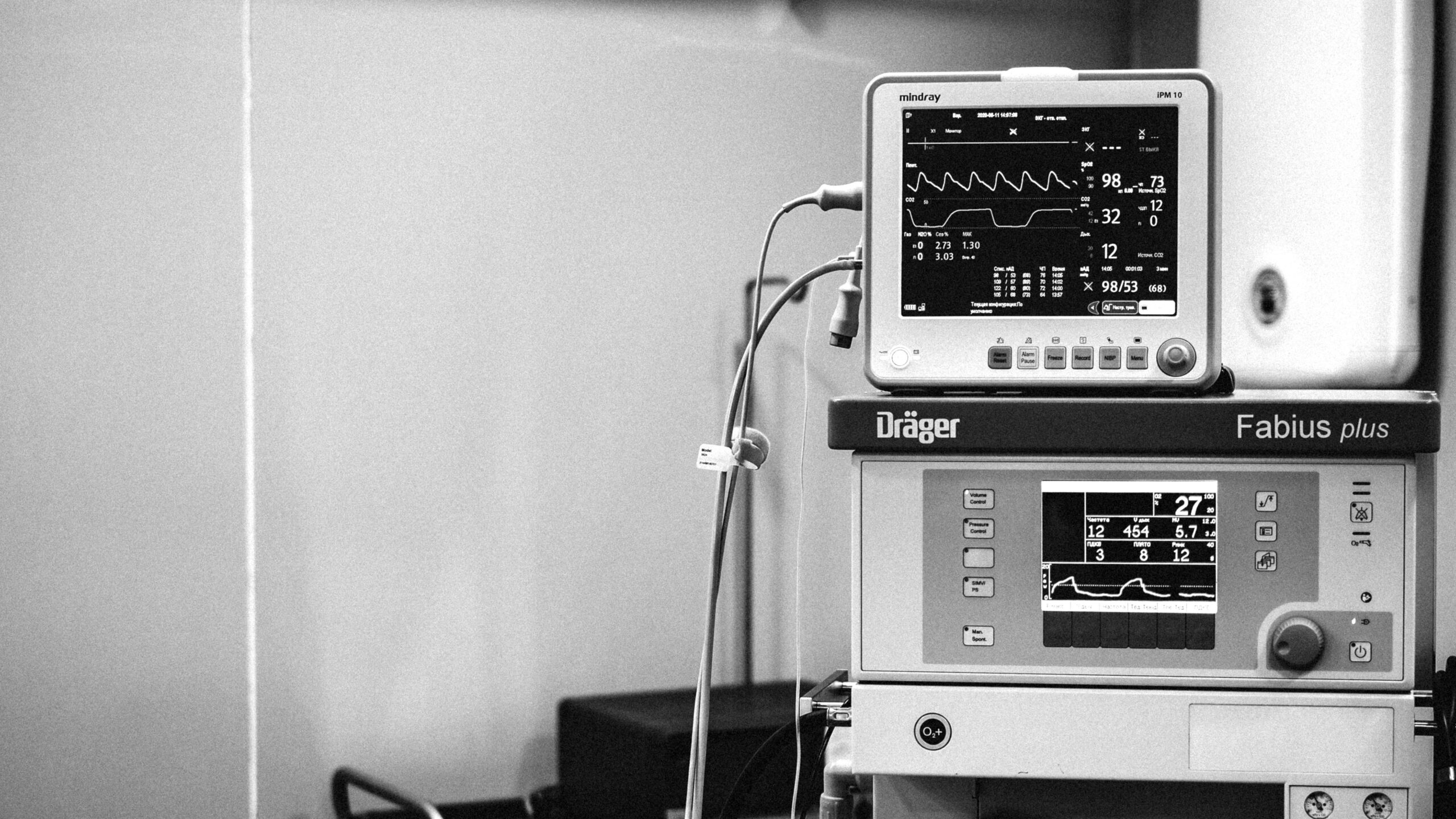
To become an anesthesia tech, you need to meet program admission and clinical requirements: be 18+, have a high school diploma, pass a CastleBranch background check, get required vaccinations (MMR, Varicella, Tdap, Hepatitis B, annual TB and flu, and COVID for clinical sites), have health insurance, and undergo a physical exam. This step-by-step guide covers all. An anesthesia technologist is a professional who combines technology with patient care, responsible for anesthesia equipment and assisting anesthesia providers. This comprehensive guide will walk you through each step, ensuring you’re prepared for your journey into this vital healthcare field.
What Is an Anesthesia Technologist?
An anesthesia technologist is a healthcare professional skilled in managing the technical aspects of anesthesia delivery. They work closely with anesthesiologists and nurse anesthetists, ensuring all necessary equipment is functional, prepared, and readily available for surgical procedures and other medical interventions requiring anesthesia. The Anesthesia Technologist program at Spokane Community College offers an Associate of Applied Science-Transfer Degree (AAS-T) in Anesthesia Technology. The curriculum is based on American Society of Anesthesia Technologists and Technicians standards and guidelines, preparing students with a strong foundation in both theoretical knowledge and practical skills.
Now that you understand the role, let’s break down the step-by-step admission requirements.
Step 1: Meet Basic Age and Education Requirements
To begin your path toward becoming an anesthesia technologist, you must meet fundamental age and educational prerequisites. Prospective students must be at least 18 years old by the beginning of the fifth quarter of the program. This ensures that students are of legal age and possess the maturity required for the demanding nature of the role and clinical settings. Additionally, prospective students require a High School Diploma, GED, or an equivalent qualification at the time of enrollment. This is a standard requirement for most higher education programs and indicates a foundational level of academic preparedness.
After verifying you meet the basic requirements, the next critical step is to clear a background check.
Step 2: Pass a Nationwide Criminal Background Check via CastleBranch
After being invited to and accepting a place in the program, a critical step for all accepted students is to pass a nationwide criminal background check. Students must establish an account with CastleBranch.com to initiate this process. The specific package required is identified by code RR65, and it comes with a fee of $113.99. This comprehensive check is essential for ensuring patient safety and maintaining trust within healthcare environments. It’s important to note that students must undergo an annual background check through CastleBranch.com for the entirety of their program, reflecting the ongoing need for diligence in healthcare settings, according to CastleBranch policies.
Students must pass a nationwide criminal background check via CastleBranch.
Now let’s cover the vaccination requirements in detail.
Step 3: Complete Required Vaccinations per CDC Guidelines
To ensure the safety of both students and patients, all accepted anesthesia tech students must meet specific vaccination and program-specific health requirements. These requirements align with the Center for Disease Control Healthcare Provider immunization guidelines. An annual Tuberculosis (TB) skin test is mandatory and must remain current throughout the entire clinical experience. Similarly, an annual seasonal Influenza vaccine is required. A Tetanus, Diphtheria, and Pertussis (Tdap) vaccine must have been administered within the last 10 years.
For Hepatitis B, students need to complete the series of three vaccines and provide proof of immunity through a titer. Measles, Mumps, and Rubella (MMR) immunity is demonstrated by either two vaccine doses or a positive immunity titer. Lastly, Varicella immunity requires either two vaccine doses or proof of a positive immunity titer. These vaccinations are crucial for protecting against common infectious diseases in healthcare settings.
What vaccinations do I need for an anesthesia tech program? You need an annual TB test, an annual flu shot, Tdap within 10 years, Hepatitis B series, MMR, and Varicella vaccine or proof of immunity. How many Hepatitis B shots are required? A series of three vaccines is required, along with a subsequent immunity titer.
With vaccinations complete, the next step is managing COVID-19 vaccine requirements.
Step 4: Understand COVID-19 Vaccination Requirements for Clinical Placement
While COVID vaccination is not a mandatory program admission requirement for all anesthesia tech programs, it is crucial to understand that clinical partners may require proof of full vaccination. This is a significant distinction, as it directly impacts your ability to complete essential hands-on training. COVID vaccination is often a prerequisite for clinical placement, and in many cases, clinical sites do not accept religious exemptions for this requirement. Therefore, it is vital for students to inquire about and comply with the specific COVID-19 vaccination policies of their intended clinical rotation sites well in advance, data shows.
Will my clinical site require COVID vaccination? Yes, clinical partners for your placements will likely require proof of full COVID vaccination.
Clinical placement also requires personal health insurance and a physical exam.
Step 5: Obtain Health Insurance and Pass a Physical Exam
To participate fully in the anesthesia technologist program and its clinical components, students must possess personal health insurance upon entry and maintain it throughout the program’s duration. This is a critical requirement for accessing medical care should the need arise and is a prerequisite for clinical placement. Additionally, students must undergo a current physical evaluation, completed within one year of the program start, by a physician or nurse practitioner. This physical exam specifically assesses the student’s ability to perform the essential functions of an anesthesia technologist.
The evaluation must address the capacity to lift 50 pounds, stand or walk for extended periods, and confirm the absence of chronic skin conditions on the hands and arms that could pose a risk in a clinical environment. These requirements ensure students are physically capable of meeting the demands of the job and maintaining aseptic techniques.
Do I need health insurance for an anesthesia tech program? Yes, health insurance is required upon entry and throughout the program, especially for clinical placement. What does the physical exam include? It includes assessment of your ability to lift 50 pounds, stand/walk for long periods, and checks for chronic skin conditions on hands/arms.
With health and background checks complete, you’re now ready for the clinical experience.
Step 6: Complete Coursework and Clinical Experiences
The anesthesia technologist program is designed to provide a comprehensive foundation of both theoretical knowledge and practical skills. Coursework typically includes essential subjects such as medical terminology, pharmacology specific to anesthesia, electrocardiogram (EKG) analysis, and a deep dive into anesthesia equipment principles and applications. You will also gain general medical knowledge vital for patient care. Beyond classroom learning, the program includes intensive clinical experiences in local hospitals. These hands-on experiences are crucial for applying learned concepts in real-world settings and developing the competence needed for independent practice.
What coursework will I take? You will study medical terminology, pharmacology, EKG analysis, anesthesia equipment, and general medical knowledge. Will I get clinical experience? Yes, the program includes intensive clinical experiences in local hospitals.
Knowing what you’ll learn sets expectations. Now let’s compile a final checklist.
Final Checklist: All Anesthesia Tech Program Requirements
To ensure you are fully prepared for admission and success in an anesthesia technologist program, this checklist consolidates all essential requirements. Prospective students must be at least 18 years old by the beginning of the fifth quarter. A High School Diploma, GED, or equivalent is required at the time of enrollment. Upon acceptance, you must establish an account with CastleBranch.com (package code RR65, cost $113.99) and successfully pass a nationwide criminal background check, which must be repeated annually.
Vaccination requirements include an annual Tuberculosis skin test, an annual seasonal Influenza vaccine, and a Tdap vaccine within the last 10 years. For Hepatitis B, a series of three vaccines plus an immunity titer is necessary. Measles, Mumps, and Rubella (MMR) and Varicella immunity can be proven through two vaccine doses or a positive immunity titer for each. While not an admission requirement, COVID vaccination is critical for clinical placement, as clinical sites may require full vaccination and often do not accept religious exemptions.
You must have personal health insurance upon entry and throughout the program, particularly for clinical placement. A current physical evaluation (within one year) by a physician or nurse practitioner is also necessary, confirming your ability to lift 50 pounds, stand or walk for long periods, and absence of chronic skin conditions on hands/arms. Finally, successful completion of all required coursework and intensive clinical experiences is paramount for graduation.
What is the complete checklist for anesthesia tech program requirements? Be 18+, have a HS diploma/GED, pass a CastleBranch background check (RR65, $113.99, annual), get annual TB and flu shots, Tdap within 10 years, Hepatitis B series + titer, MMR + titer, Varicella + titer. COVID vaccine may be required for clinicals. Have health insurance and pass a physical exam within one year (assess lifting 50lbs, standing/walking, no chronic skin conditions on hands/arms). Complete all coursework and clinicals.
This checklist serves as your roadmap to successfully navigating the requirements for an anesthesia tech program.
FAQ
Q: What is an anesthesia technologist?
A: An anesthesia technologist is a professional who combines technology with patient care, responsible for anesthesia equipment and assisting anesthesia providers. The program offers an Associate of Applied Science-Transfer Degree (AAS-T) based on ASATT standards.
Q: What are the age and education requirements for anesthesia tech program?
A: You must be at least 18 years old by the beginning of the fifth quarter and have a High School Diploma, GED, or equivalent at the time of enrollment.
Q: How do I pass the background check?
A: After acceptance, you must establish an account with CastleBranch.com, use package code RR65, pay $113.99, and pass a nationwide criminal background check. This check must be repeated annually.
Q: What vaccinations are required?
A: Required vaccines include annual TB skin test, annual flu shot, Tdap within 10 years, Hepatitis B series (3 shots + titer), MMR (2 shots or titer), and Varicella (2 shots or titer). COVID vaccine may be required by clinical sites.
Q: Is COVID vaccination mandatory?
A: It is not a program admission requirement, but clinical partners may require proof of full vaccination. Clinical sites do not accept religious exemptions, so you must be vaccinated for clinical placement.
Q: Do I need health insurance?
A: Yes, you need personal health insurance upon entry and for the entire duration of the program, especially to participate in clinical placement.
Q: What does the physical exam involve?
A: You need a current (within one year) physical evaluation by a physician or nurse practitioner that confirms you can lift 50 pounds, stand or walk for long periods, and have no chronic skin conditions on hands and arms.
Q: What courses and clinical experiences are included?
A: Coursework includes medical terminology, pharmacology, EKG analysis, anesthesia equipment principles and applications, and general medical knowledge. You will also have intensive clinical experiences in local hospitals.