For a year, AI’s hunger for memory chips was a price story. This week it became a product story. The AI memory crunch is now directly hitting the gadgets you buy, with the first casualties already on the market. Nothing has scrapped its planned CMF Phone 3 Pro, a direct result of rising memory costs. Apple, the largest and most aggressive memory buyer on the planet, is feeling the pressure too. Tim Cook has called the memory situation ‘unsustainable,’ and Apple is now expected to raise prices, with one analyst calling hikes ‘fairly imminent.’ Apple has already killed its cheapest Mac mini over the same pressure. These moves signal a broader shift: the memory chip shortage, driven by AI demand, is leading to a smartphone price hike and product cancellations.
Why Nothing Cancelled Its CMF Phone 3 Pro
Nothing’s latest move reinforces this pattern. The company has quietly scrapped its planned CMF Phone 3 Pro, a device that was meant to offer solid specs at a low price. A co-founder explained that high memory prices made it impossible to build a budget phone that felt like “a genuine step forward.” That candid admission highlights how deeply the ai memory crunch is reshaping the smartphone market.

What Was the CMF Phone 3 Pro’s Target Market?
The CMF Phone 3 Pro was squarely aimed at the budget segment. Nothing’s CMF line has always focused on delivering practical features at an accessible price point — think clean software, decent cameras, and reliable performance without the flagship cost. But that formula hinges on keeping component costs low. With memory prices climbing, the math fell apart.
You’ve likely noticed the ripple effect already. Some entry-level phones have jumped more than 50 percent in a year, squeezing margins for manufacturers across the board. For Nothing, the decision to cancel the CMF Phone 3 Pro wasn’t about a lack of ambition; it was about economic reality. The company couldn’t build a budget smartphone that felt like a genuine upgrade without either raising the price or cutting corners — both of which undermine the product’s identity.
This move signals that even mid-range phones are vulnerable to the memory price hike. If a brand known for lean operations and direct sales can’t make the numbers work, smaller players will face even tougher choices. Nothing’s cancellation is a clear indicator that the ai memory crunch is no longer just a premium component issue — it’s reshaping what’s possible at every price tier.
How the AI Memory Crunch Is Squeezing Apple
So if smaller players like Nothing are already hitting the brakes, what does that mean for the biggest fish in the pond? You might assume a company with Apple’s buying power could simply throw money at the problem and carry on. But the truth is more revealing — and a little unsettling. Apple is the largest and most aggressive memory buyer on the planet, yet it is far from immune. In fact, Tim Cook himself has called the current memory situation ‘unsustainable’. That is not the kind of language a company uses when it has the situation under control.
Which Apple Products Will See Price Hikes and by How Much?
The clearest sign of the strain is a product you can no longer buy. Apple has already killed its cheapest Mac mini over the same pressure — a move that effectively raises the entry price for anyone wanting a desktop Mac. And it gets worse from here. Apple is now expected to raise prices across multiple product lines, with one analyst describing the hikes as ‘fairly imminent’. That means if you have been holding off on upgrading a MacBook, iPad, or even a higher-end iPhone, you might want to reconsider sooner rather than later.
What is especially telling is that Apple’s aggressive memory purchasing has not shielded it from these price hikes. The company buys enormous volumes of DRAM and NAND flash, yet suppliers are still passing along cost increases because demand from AI data centers is so voracious. When the world’s richest tech company can’t negotiate its way out of the ai memory crunch, you know the problem runs deep. Apple’s reaction — discontinuing budget configurations and warning of imminent price increases — shows that no company, not even the wealthiest, can escape this force.
Why Memory Chip Prices Are Skyrocketing: The HBM Factor
To understand why Apple is feeling the heat, you need to look at what’s happening upstream in the memory chip market. The root cause of the AI memory crunch isn’t just rising demand for AI servers — it’s a wholesale shift in how memory factories are run. Manufacturers are racing to convert production lines to high-bandwidth memory (HBM), a specialized type of DRAM designed for AI accelerators. That conversion is starving the standard DRAM market and driving prices up by about 90 percent in a single quarter.
What Is HBM and Why Are Manufacturers Prioritizing It?
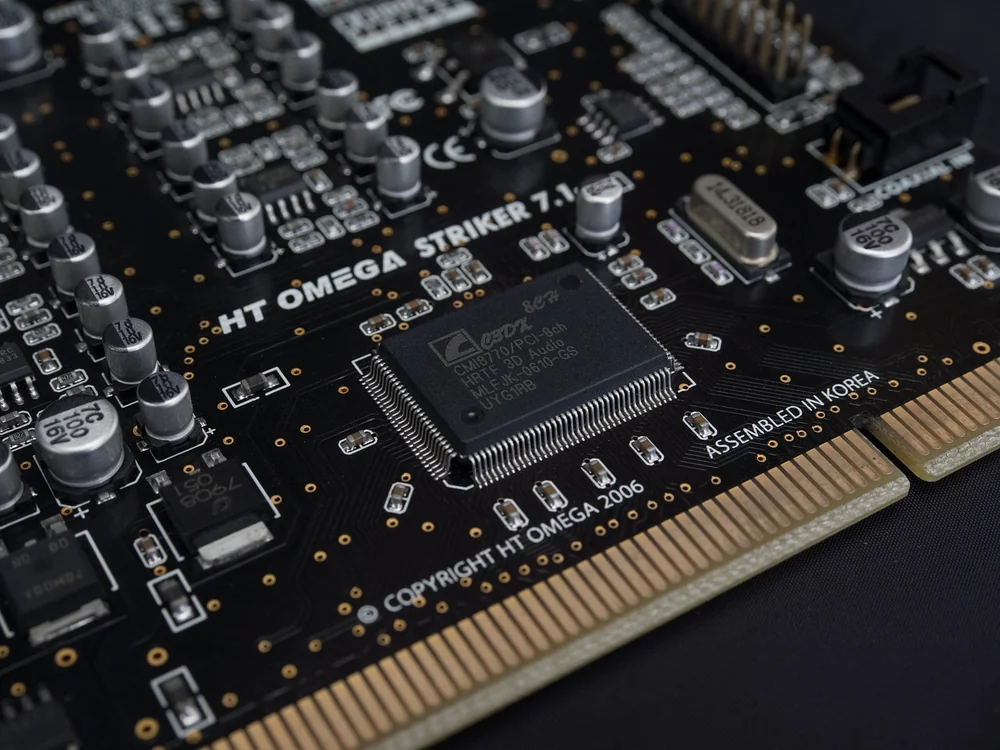
High-bandwidth memory is essentially a stack of DRAM chips connected vertically, allowing much faster data transfer than traditional RAM. It’s critical for AI training and inference, where massive datasets need to move quickly between memory and GPU. The three major memory makers — Samsung, SK Hynix, and Micron — have been converting existing DRAM fabrication lines to produce HBM instead of standard DDR5 or LPDDR5 chips. The result? HBM capacity is sold out into 2027, and Nvidia has locked in years of HBM supply to feed its data-center GPU demand. That leaves less capacity for the RAM that goes into your phone, laptop, or desktop PC.
This memory chip conversion creates a classic supply squeeze. When factories switch to HBM, they can’t easily switch back. The specialized equipment and processes are different, and the profit margins on HBM are far higher. So manufacturers prioritize HBM over standard DRAM, even as consumer demand for new phones and PCs remains steady. The HBM vs DRAM dynamic is now the central tension in the memory market: AI gets the chips, and you get the bill.
The knock-on effect is a severe shortage of standard DRAM, directly hitting consumer electronics. Phone makers, laptop brands, and even Apple are forced to pay more for the same memory components — or accept smaller allocations. That’s why you’re seeing fewer budget configurations and higher prices. The AI memory crunch isn’t a distant server-room problem; it’s the reason your next phone might cost more and come with less RAM than you’d expect.
What the AI Memory Crunch Means for Consumers and the Market
With global smartphone shipments expected to fall 15 percent in 2026, according to CCS Insight, and entry-level phones already jumping more than 50 percent in a year, the consumer electronics landscape is shifting. The AI memory crunch isn’t just a server-room issue anymore; it’s reshaping what you can afford and what you can buy. For a year, AI’s hunger for memory chips was a price story. This week it became a product story, meaning the hardware you see on shelves is now directly affected by the shortage.
When Will the Memory Shortage Ease?
Don’t expect a quick fix. High-bandwidth memory (HBM) capacity is sold out into 2027, which means the smartphone market decline could stretch for several years. Manufacturers are prioritizing lucrative AI chips over consumer devices, so the supply of memory for phones remains tight. This isn’t a temporary blip; it’s a structural shift in how chip production is allocated.
What Should Consumers Expect for Budget Phones?
The consumer electronics price rise hits budget models hardest. Some entry-level phones have already seen price bumps of over 50 percent in a single year, and that trend is likely to continue. If you’re shopping on a tight budget, you might need to consider budget phone alternatives like refurbished devices or simply delaying your upgrade. Older models, while less powerful, often use memory chips that aren’t in such high demand, so they can be a practical stopgap. The key takeaway: plan ahead, and don’t expect the same value you saw in previous years. The AI memory crunch is now a real-world factor in your next purchase decision.
Frequently Asked Questions
How does the AI memory crunch impact the smartphones you want to buy?
The AI memory crunch means chipmakers prioritize high-bandwidth memory (HBM) for data centers over the LPDDR chips used in phones. This reduces supply for consumer devices, potentially leading to higher prices or delayed releases. You may see fewer mid-range models or smaller memory configurations.
What is HBM and why are manufacturers prioritizing it over regular memory?
HBM stands for high-bandwidth memory, a specialized type used in AI accelerators and servers. It offers much faster data transfer than standard LPDDR or DDR memory. Because AI training and inference demand immense bandwidth, manufacturers allocate most production capacity to HBM, leaving less for consumer electronics like smartphones.
Will smartphone prices continue to rise because of the AI memory crunch?
The AI memory crunch puts upward pressure on memory costs, which is a significant part of a smartphone’s bill of materials. While prices may not skyrocket overnight, you might see incremental increases or fewer storage upgrades at the same price point. Brands may also shift to less memory-hungry designs to keep costs manageable.