Imagine waking up one morning to find that years of your private messages, search history, and personal conversations have been exposed online. That nightmare scenario is becoming increasingly common, and the culprit behind this surge in devastating personal data leak incidents is something you might not expect: artificial intelligence. Hackers are now using AI to supercharge their attacks, finding and exploiting unknown vulnerabilities in software across the web at a speed that was previously unimaginable.
The scale of this cyberattack surge is staggering. Palo Alto Networks reported a massive year-over-year increase in daily attacks, with cybercriminals developing self-modifying viruses that can evolve to evade traditional security defenses. As Alex Stamos, former chief security officer at Yahoo and Facebook, told The Atlantic, there is currently a “crazy amount of offensive activity” happening, and companies are getting hacked every single day. This data breach escalation means that your personal information is more vulnerable than ever, as AI-powered hacking tools make it easier for bad actors to target individuals and organizations alike.
How AI Is Supercharging Cyberattacks and Accelerating Data Leaks
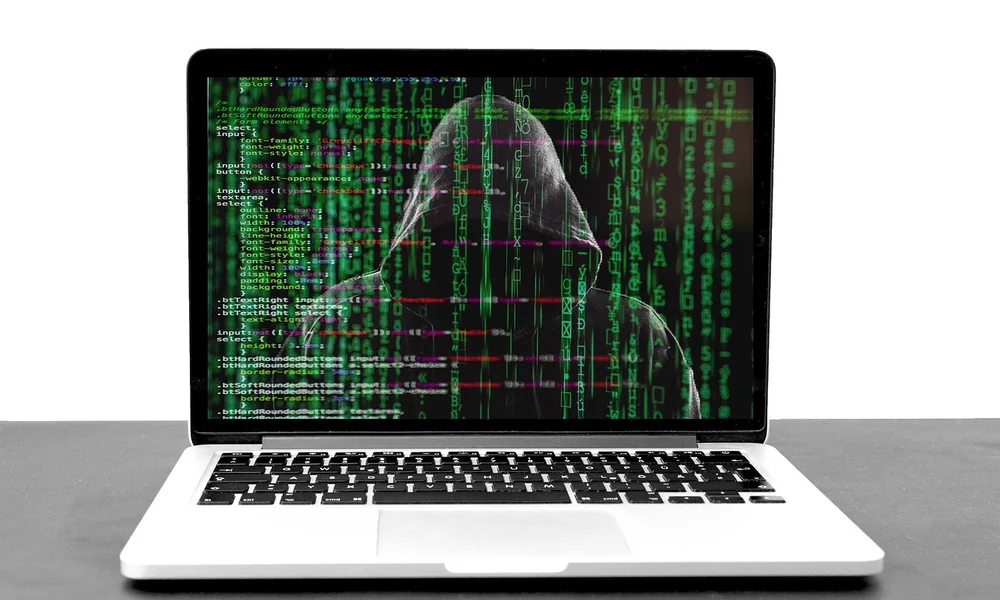
Attackers now use AI to scan for weaknesses faster than ever, turning known vulnerabilities into weapons within weeks instead of years. This isn’t just a minor acceleration — it’s a fundamental shift in how quickly a vulnerability can become a threat to your personal data leak risk. According to Moody’s Ratings data, as of 2025, it takes bad actors roughly 44 days to exploit a known security vulnerability. Compare that to a 700-day average as of 2020, and you can see the problem. The window for patching has shrunk from nearly two years to a little over a month.
The Shrinking Window for Patching
The shortened vulnerability exploitation timeline means that security teams have far less time to respond after a flaw is discovered. A single unaddressed bug can now become a full-blown incident before most organizations even finish their initial assessment. This speed is driven by AI tools that allow bad actors to automate vulnerability discovery and exploitation. They don’t need to manually hunt for weaknesses — AI does the scanning for them, day and night, across millions of systems.
Self-Modifying Viruses: A New Breed of Threat
Recent AI coding advancements have transformed bad actors into AI-fueled supervillains, and companies are racing to keep up with attacks. One particularly dangerous development is adaptive malware — self-modifying viruses that change their code to avoid detection. Traditional antivirus tools rely on spotting known signatures of malware. But these new strains rewrite themselves on the fly, making them almost invisible to standard defenses. This is a clear case where digital weapons look more promising than digital armor, and your security depends on staying ahead of the curve.
Real-World Breaches: Recent AI-Driven Attacks and Their Impact on Personal Data
This isn’t just theory anymore. High-profile incidents are proving how quickly AI can be turned against you. Take the recent Microsoft Copilot vulnerability, for example. Hackers found a way to steal your two-factor authentication codes with nothing more than a single click. That means the very tool designed to make you more productive became a direct pipeline to your most sensitive accounts. It’s a stark reminder that a personal data leak can now happen in seconds, bypassing protections you thought were solid.

The Microsoft Copilot Incident: A Click to Compromise
This exploit was alarmingly simple. By injecting a malicious prompt into a webpage, attackers could trick Copilot into revealing your 2FA codes from your browser’s saved data. Once they have those codes, they can log into your email, banking, or social media accounts as if they were you. The scary part? You wouldn’t even notice until it was too late. This isn’t a hypothetical risk—it’s a live example of how an everyday AI assistant can become a backdoor for a catastrophic personal data leak.
What 20 Years of Digital Life Reveals About You
Beyond specific software flaws, there’s a bigger picture. A recent story in New York Magazine highlighted something sobering: your 20-year digital footprint is an incredibly intimate and exploitable record. Every search, every private message, every forgotten account creates a trail. When a personal data leak happens, that entire history becomes public. Meanwhile, The Atlantic reported on AI-powered attacks hitting institutions like hospitals, schools, and banks daily. These institutional cyberattacks put millions of records at risk, and the pace is only accelerating. Organizations are rushing out patches, but they simply cannot outrun the speed at which bad actors deploy new AI-driven methods.
Which Sectors Are Most Targeted by AI-Powered Attacks?
Given how fast attackers are moving, you might wonder where they focus their efforts. The answer is straightforward: any industry that holds large volumes of sensitive personal data. Banking, healthcare, and government agencies are prime targets because the information they store — account details, medical histories, official records — is exactly what fuels a personal data leak that can be exploited for years. These sectors face the highest pressure, and AI-powered tools make the threat even more acute.

Financial institutions, for example, confront relentless attacks aimed at stealing account credentials and transaction data. A single breach in the financial sector can expose millions of customers, leading to fraud and identity theft. As Alex Stamos has pointed out, companies are getting hacked every single day, and banks are no exception. The stakes are enormous, so security teams work around the clock, but the attackers keep innovating.
Healthcare organizations are another major target. Medical records are incredibly valuable on the black market — often fetching higher prices than credit card numbers because they contain a wealth of personal identifiers. Hospitals and clinics face constant healthcare cybersecurity risks, from ransomware that locks patient data to AI-driven phishing campaigns that trick staff into revealing access. The result? A personal data leak from a healthcare provider can compromise not just financial details but also deeply private health information.
Critical infrastructure and government systems are also under siege. Attackers use AI to probe for weaknesses in power grids, water utilities, and public databases. These targeted industries cyberattacks aim to disrupt services or steal classified data. Recent AI coding advancements have transformed bad actors into AI-fueled supervillains, and companies are racing to keep up with attacks. For you, the takeaway is clear: any organization that stores your data is a potential entry point for a catastrophic leak, and the sectors handling the most sensitive information are in the crosshairs.
You can read more on this topic in 5 App Development Services Leading the Industry.
Defending Against AI Cyberattacks: Tools and Personal Protection Strategies
That sobering picture — your data sitting in someone else’s database — doesn’t mean you’re powerless. While attackers are weaponizing AI, the same technology is also being used to build defenses. Advanced AI models like Anthropic’s Mythos model have helped companies sweep their existing code for vulnerabilities before criminals can exploit them. It’s a race where digital weapons currently look more promising than digital armor, but tools like Mythos are shifting the balance. For you, the lesson is clear: proactive steps beyond simply deleting your digital history are essential to guard against a personal data leak.
How Mythos and Similar AI Tools Bolster Defenses
Mythos works by scanning massive codebases for subtle flaws that human reviewers might miss. Think of it as a tireless security auditor that never sleeps. By catching these weaknesses early, organizations can patch them before attackers find a way in. This type of AI cybersecurity defense is becoming standard for companies that handle sensitive user data. But remember, even the best corporate defenses can’t protect you if you haven’t locked down your own accounts.
What You Can Do Right Now to Protect Your Data
Deleting your search history or clearing old messages feels good, but it’s not enough. The data you shared years ago is often still stored by third-party services, waiting to be exposed in the next breach. To reduce the risk of a personal data leak, take these concrete steps:
- Enable multi-factor authentication on every account that supports it. This adds a second layer of protection, so even if your password is stolen, attackers can’t get in.
- Use a password manager to generate and store strong, unique passwords for each site. Reusing passwords is one of the fastest ways a single breach can cascade into a full data leak.
- Monitor your credit reports regularly. If your personal information is used for fraud, early detection can limit the damage.
These personal data protection tips won’t make you invincible, but they significantly lower your chances of becoming a victim. In a world where AI-powered attacks are evolving daily, taking control of your own digital hygiene is your best defense.
Frequently Asked Questions
How can I protect my personal data from AI-powered cyberattacks?
Start by using strong, unique passwords and enabling two-factor authentication everywhere. Keep your software updated and avoid clicking suspicious links. A reliable password manager can also help you stay ahead of a personal data leak.
Are traditional security measures enough to prevent a personal data leak?
Traditional antivirus tools struggle against AI-powered threats that adapt in real time. You need modern defenses like behavior-based detection and regular data monitoring. Combining old and new methods gives you the best chance to stay safe.
What should I do if my personal data has already been exposed in a leak?
Change your passwords immediately and review your accounts for unauthorized activity. Enable fraud alerts with credit bureaus and consider freezing your credit. Acting quickly limits the damage from an ongoing personal data leak.