You have pulled into a parking spot at a local drive-in. The screen in front of you is gone. Instead, you aim your vehicle toward a plain concrete wall at the edge of the lot. Your headlights flicker for a moment, and then a full-color movie appears across the surface, crisp and bright. The image stretches 100 inches wide. The sound comes through your car speakers. No screen. No setup. Just your headlights and a flat surface. This is the reality that Huawei’s latest innovation in automotive lighting is working toward. The technology, called the XPixel platform, has been in development for years in monochrome form. Now it adds full RGB color output. The result is a headlight system that can do far more than illuminate the road ahead.
Understanding XPixel Headlight Projection Technology
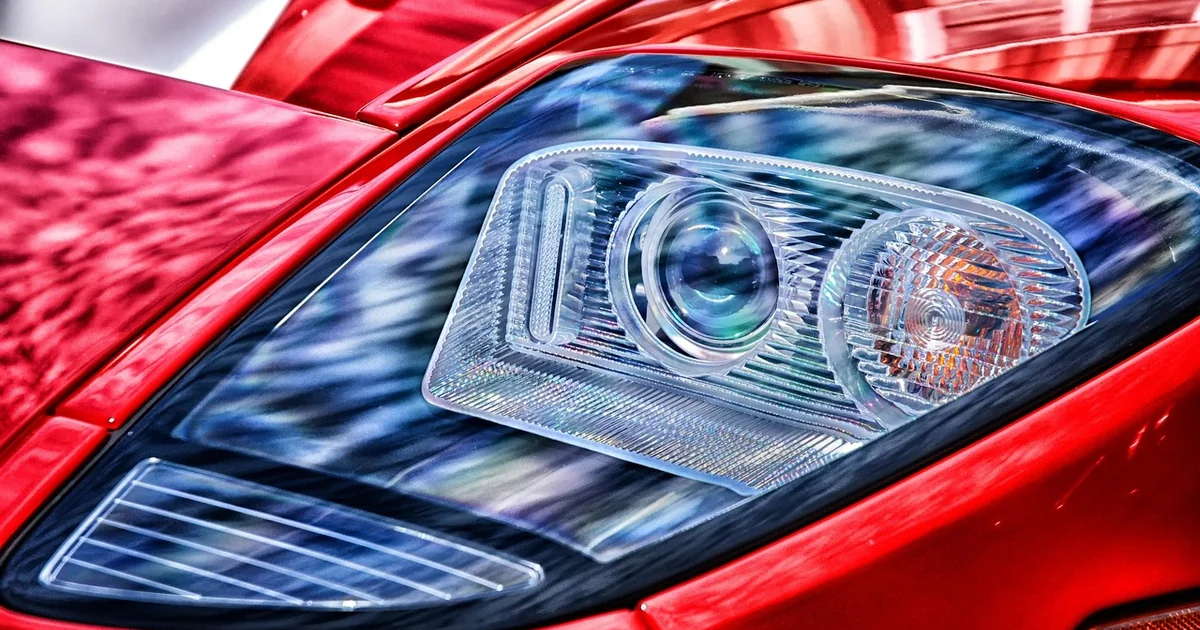
Huawei first demonstrated the full-color version of its XPixel system at the Beijing Auto Show. The system builds on years of experience with monochrome pixel-controlled LED headlights. The new version adds red, green, and blue channels. This allows the headlights to project any color image onto a surface. The projection can reach 100 inches diagonally. That is large enough for a family to watch a movie together from the front seats.
The term xpixel headlight projection refers to this specific capability. It is not a gimmick added for entertainment alone. The system also shifts color temperature in rain or fog to improve visibility. It adapts to the curvature of the road. It actively avoids blinding oncoming motorists. In other words, the same hardware that beams a movie onto a wall also makes night driving safer. That dual-purpose nature is what makes this technology so interesting for families, road-trippers, and anyone who spends time in a vehicle after dark.
Seven Ways XPixel Headlight Projection Could Transform the Drive-In Experience
The drive-in movie theater has seen a revival in recent years. Families look for outdoor activities that feel safe and nostalgic. Huawei’s XPixel technology could push that revival into a new direction entirely. Below are seven distinct ideas for how this projection system could change the way we experience movies from inside a car. Each concept builds on a real capability of the hardware. None of them require a dedicated screen or projector setup.
1. Instant Cinema on Any Vertical Surface
The most obvious application is also the most exciting. With xpixel headlight projection, any flat wall becomes a movie screen. Imagine arriving at a drive-in that no longer needs a massive white structure at the front of the lot. Instead, each car parks facing a designated wall. The headlights do the rest. The 100-inch image is large enough for everyone in the vehicle to see clearly. Parents do not need to fight with tablet stands or hold phones for hours. The movie plays directly from the car’s infotainment system through the headlights. For families with young children, this removes the hassle of setting up portable screens. It also means the image stays steady. No one bumps the tablet. No one drops the phone. The headlights are built into the car. They do not move unless the car moves.
This idea works for more than just dedicated drive-in theaters. A family on a camping trip could park facing a rock face or a large tree and watch a movie under the stars. A group of friends at a tailgate could project a game onto the side of a building. The versatility comes from the fact that the projection source is always with you. It is part of the vehicle.
2. Pre-Show Interactive Gaming on the Ground
Huawei’s demonstration included gaming graphics projected onto the floor. This opens up a second idea for the drive-in experience. Before the movie starts, families could play interactive games projected onto the ground around the car. Children could step out of the vehicle and jump on projected targets or follow light patterns. The games would use the same headlight system. No extra equipment needed.
For parents planning a long road trip with restless kids, this is a game changer. You stop at a rest area. You project a simple hopscotch pattern or a reaction-time game onto the pavement. The kids burn off energy. Then everyone gets back in the car for the next leg of the journey. At the drive-in itself, this pre-show activity could become a ritual. Families arrive early, play a few projected games together, and then settle in for the feature film. The same hardware handles both entertainment modes.
3. Navigation Guidance Projected Directly onto the Road
One of the more practical demonstrations involved turn-by-turn navigation cues thrown onto the road surface ahead. For a drive-in context, this idea serves a specific purpose. Imagine a large outdoor venue with multiple screening zones. You drive in after dark. Instead of searching for signs or relying on a phone map, your headlights project a glowing arrow onto the asphalt in front of you. The arrow points toward your designated section. You follow the light. No confusion. No circling.
This same feature applies to everyday driving as well. When you approach a turn, a projected arrow on the road surface tells you where to go. Your eyes stay on the road. You do not glance at a dashboard screen or a phone mount. For families driving to an unfamiliar drive-in location, this reduces stress. You focus on the road. The headlights guide you.
4. Weather-Adaptive Visibility for Safer Arrival and Departure
Drive-in movies happen outdoors. Weather can change quickly. A clear evening can turn foggy or rainy before the credits roll. Huawei’s XPixel system adjusts its color temperature in rain or fog. This improves light penetration through water droplets and mist. For a family heading to a drive-in, this means safer driving in poor conditions. The headlights do not just project movies. They also see you home safely.
This dual function is easy to overlook. Many people focus on the entertainment angle and forget that the primary job of a headlight is to illuminate the road. Huawei has not sacrificed that job for the sake of novelty. The system remains a legal, functional headlight first. The projection capability is an added layer. For parents driving children home after a late movie, knowing the headlights will perform well in fog or rain brings peace of mind.
5. Ambient Projection to Match the Mood of the Movie
Here is an idea that leans into atmosphere. During a drive-in screening, the headlights could project ambient light patterns onto nearby surfaces to match the mood of the film. A scary movie could cast flickering shadows on the surrounding trees. A comedy could bathe the area in warm, golden light. A nature documentary could fill the space with soft greens and blues. The headlights are capable of full-color output. They can display any hue or pattern.
This would not replace the main movie projection. It would complement it. While the film plays on the wall ahead, the headlights cast subtle color shifts on the ground and the sides of nearby vehicles. The effect is immersive without being distracting. Families with children who get scared easily might appreciate a gentle ambient glow that softens intense scenes. The technology allows for customization. Each family could choose their preferred ambiance through the car’s settings.
6. Multi-Vehicle Synchronized Projection for Panoramic Viewing
A single car can project a 100-inch image. But what if multiple cars parked side by side and synchronized their headlights? In theory, this could create a much larger combined image. Each vehicle projects one section of the movie. The sections align to form a panoramic view. This would require coordination between vehicles and a central content source. But the hardware already supports the basic requirement. Each headlight unit can display color. They can be controlled digitally.
For a drive-in operator, this concept reduces infrastructure costs. Instead of building a giant screen, they simply mark parking spots where cars can align their headlights. The cars themselves become the projection system. Larger groups of families could attend together and combine their viewing area. A group of three cars parked side by side could create a 300-inch-wide display. That is a truly cinematic experience, generated entirely by the headlights of the vehicles present.
7. Safe-Departure Guidance After the Movie Ends
The final idea addresses a practical concern that every drive-in visitor has experienced. When the movie ends, dozens of cars start moving at the same time in a dark lot. It can be confusing. It can be dangerous, especially with children walking between vehicles. XPixel headlights could project safe-departure paths onto the ground. Each car displays a glowing lane that guides the driver out of the lot. Pedestrians see the projected paths and know where to walk. Vehicles stay in their lanes.
This feature also helps in non-drive-in contexts. In a crowded parking garage or a festival lot, the headlights could project a path to the exit. Families with young children benefit from the extra visibility. No one gets lost. No one walks into a moving vehicle’s blind spot. The same projection technology that entertained you during the movie now helps you leave safely.
You may also enjoy reading: 5 Ways Cuneflow E-Paper Writing Tablet Uses AI.
Practical Concerns Families Should Consider
As exciting as these ideas sound, there are real-world factors that families should keep in mind. The technology is new. It will debut first on the refreshed Aito M9 SUV, a vehicle co-developed by Huawei and sold through the Harmony Intelligent Mobility Alliance in China. No price has been announced for the XPixel system itself. But it is reasonable to expect that a headlight unit capable of full-color projection will cost more to repair or replace than a standard LED headlight.
Theft is another concern. Luxury vehicle headlights have become targets for thieves in major cities. A headlight system that can project 100-inch images may be even more attractive to criminals. Families living in urban areas may want to check whether their insurance covers headlight theft. Parking in a garage or a well-lit area could reduce the risk.
What if the projected image distracts other drivers or pedestrians?
This is a valid question. If a car is projecting a movie onto a wall in a drive-in lot, the light is aimed at the wall. It should not shine into the eyes of other drivers. But if the system is used in an uncontrolled setting, such as a campground or a rest area, the projection could catch the attention of people nearby. Huawei has designed the system to avoid blinding oncoming motorists. The same logic applies to projection use. The headlights use precise pixel control to direct light only where it is needed. Distraction remains a possibility, but the hardware minimizes unintended glare.
How do I ensure the headlight projection is legal before I buy a car with this feature?
Regulations vary by country and region. China is expected to be the first market for the XPixel system. The United States, Europe, and the United Kingdom have stricter rules about headlight output and what can be projected onto public roads. If you live in one of those regions, you may need to wait until local regulators approve the technology. Before purchasing a vehicle with this feature, check with your local transportation authority. The car manufacturer should also provide guidance on where the system can be legally used. For now, the safest assumption is that projection use will be restricted to private property or designated venues.
Why does the color temperature shift in rain or fog matter for visibility?
This is a technical detail that has a real impact on safety. Rain and fog scatter light. Standard headlights can create a wall of glare in foggy conditions, making it harder to see. By shifting to a warmer color temperature, the XPixel system reduces scatter. More light reaches the road surface. Less light bounces back into the driver’s eyes. For a family driving to a drive-in on a misty evening, this means better visibility and less eye strain. The same feature helps on the way home after the movie ends.
The Broader Context of Adaptive Headlight Technology
Huawei is not the first company to explore advanced headlight functions. Adaptive headlight technology has been around for years. Systems from Audi, Mercedes-Benz, and BMW already adjust beam patterns based on steering angle, speed, and oncoming traffic. Some use matrix LEDs that can dim individual segments to avoid glare. What sets Huawei apart is the addition of full-color projection. Previous systems were limited to white light with varying brightness. The XPixel platform adds RGB color. That changes what a headlight can do.
This matters for families because it expands the usefulness of a component that most people never think about. Headlights are a safety feature first. But if they can also entertain, guide, and communicate, they become a more valuable part of the vehicle. The cost may be higher, but the functionality is broader.
Legal and Regulatory Outlook for XPixel Headlight Projection
The biggest barrier to widespread adoption is not technical. It is legal. Intelligent headlight systems have faced fierce restrictions in the United States. European and UK regulators are currently scrutinizing advanced headlight technology for potential distraction and glare issues. China takes a more flexible approach to regulation. That is why the XPixel system will likely appear first on Chinese roads. Families in other regions may need to wait for their local laws to catch up.
There is precedent for this. Adaptive driving beam headlights were restricted in the US for years before regulators finally approved them. A similar process may unfold for full-color projection headlights. If you are interested in this technology, the best strategy is to monitor regulatory updates in your region. Car manufacturers often lobby for approval. Consumer demand also influences the speed of regulatory change.
A Fresh Take on an Old Tradition
The drive-in movie theater has survived decades of technological change. It has outlasted VHS, DVD, and the rise of streaming. Now it may get a new lease on life through the very headlights that guide families to the lot. Huawei’s XPixel system is not a finished product yet. It will arrive first on the Aito M9 SUV in China. Pricing remains unknown. Legal questions are unresolved. But the core idea is compelling. Your car’s headlights can do more than light the road. They can tell a story.
For parents looking for new ways to make road trips and family outings memorable, this technology offers a glimpse of what is possible. No extra screens. No complicated setup. Just pull up, point your headlights at a surface, and press play. The future of the family drive-in might arrive sooner than anyone expected.