What the Walking Dead Rights Package Actually Includes
When a franchise has been running for over a decade, the volume of content becomes staggering. The walking dead rights package that AMC is currently shopping around covers far more than a single series. The main show alone ran for 11 seasons, producing 177 episodes of television. That is hundreds of hours of content that a streaming platform could offer to its subscribers.
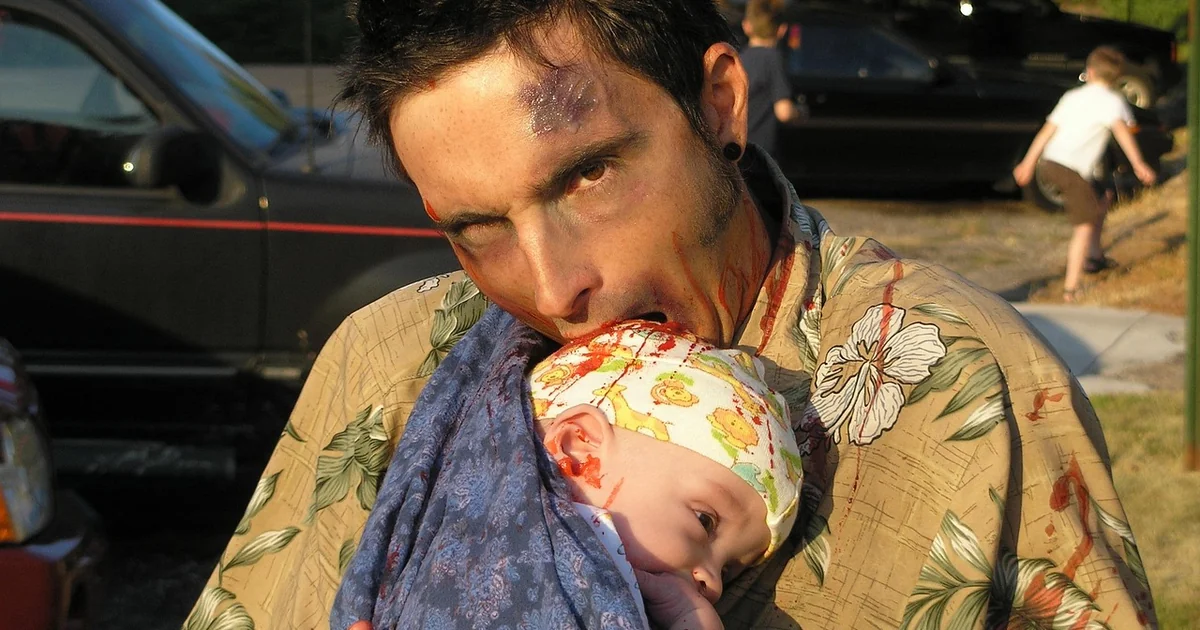
But the main series is only the beginning. Fear the Walking Dead added another eight seasons to the universe. More recent spin-offs like Daryl Dixon, The Ones Who Lived, and Dead City have continued to expand the story world. Each of these shows brings its own dedicated fan base and its own library of episodes. For any streaming service looking to acquire the rights, they are not just getting one hit show. They are getting an entire ecosystem of content.
The exact terms of what AMC is offering remain confidential, but industry observers expect the package to include most, if not all, of the television content produced under The Walking Dead banner. This breadth is a major reason why the price tag is expected to land in the hundreds of millions of dollars. The buyer is not purchasing a single nostalgic property. They are acquiring a content library that can drive subscriber engagement for years.
Why the Walking Dead Rights Still Command Top Dollar
Some observers might assume that because the flagship series ended in 2022, the value of the franchise has peaked. That assumption misses a critical point. The walking dead rights are valuable not just for past episodes but for the ongoing cultural relevance of the brand. Spin-offs continue to air, merchandise continues to sell, and fan interest remains strong enough to justify new productions.
Compare this to other major rights deals in recent years. Friends and The Office each commanded around $500 million when their streaming homes shifted. Seinfeld landed a similar figure. Just last year, the rights to South Park sold for a staggering $1.5 billion. While The Walking Dead is not expected to reach that peak, the hundreds-of-millions range is realistic when you consider the sheer volume of episodes and the active nature of the franchise.
Another factor boosting the value is the demographic profile of the audience. The Walking Dead attracted a broad adult viewership during its prime, and many of those fans remain loyal to the brand. For streaming platforms, acquiring a proven franchise with a known audience is far less risky than betting on new original content. The data on viewer behavior already exists. Platforms know exactly what kind of engagement these episodes generate.
The Spin-Off Multiplier Effect
One often overlooked element is how spin-offs increase the value of the original rights. When a platform owns the complete library, they can cross-promote newer shows to viewers who are rewatching the original series. If you subscribe to a service to binge season one of The Walking Dead, that same platform can surface Daryl Dixon as a recommended next watch. This cross-pollination drives viewership across the entire franchise and increases the perceived value of the rights package.
AMC has been strategic about keeping the franchise alive with new productions. Dead City, Daryl Dixon, and The Ones Who Lived each target different corners of the fan base. Some viewers prefer the road-trip dynamic of Dead City. Others want the European setting of Daryl Dixon. By maintaining multiple active series, AMC ensures that the brand stays visible and that the rights package remains attractive to potential buyers.
The Major Players Eyeing the Walking Dead Rights
AMC CEO Kristin Dolan confirmed on an earnings call that the company has received significant interest from potential partners. She described the bidders as “very large and enthusiastic” without naming specific companies. Industry speculation points to the usual suspects in the streaming wars.
Netflix has a long history with AMC content. The platform previously hosted The Walking Dead and has benefited from the show’s ability to attract and retain subscribers. Bringing the franchise back to Netflix would be a natural move, especially as the company looks to bolster its library with proven titles rather than relying solely on original productions.
HBO Max, Prime Video, Paramount+, Apple TV, and Peacock are all considered likely contenders. Each of these platforms has different strategic reasons for wanting the rights. For Peacock, acquiring a massive franchise like The Walking Dead would help justify its subscription price to a broader audience. For Apple TV, which has a smaller library than its competitors, landing a proven hit would signal that the platform is serious about mainstream content.
Why Multiple Bidders Drive Up the Price
The presence of several interested parties creates a competitive bidding environment. When a platform knows that rivals are also pursuing the same asset, the willingness to pay a premium increases. This dynamic is exactly why AMC is taking its time with negotiations. The company wants to maximize the value of the walking dead rights by letting the bidding process play out fully.
For the bidders, the calculation is straightforward. Acquiring a franchise with a built-in audience is cheaper and less risky than producing multiple original series that might not find viewers. Even at a price tag of several hundred million dollars, the cost per episode of existing content is far lower than the cost of producing new episodes from scratch. The math works in favor of the buyer, provided they can leverage the content effectively.
Co-Exclusivity and What It Means for Fans
One of the most interesting aspects of this deal is AMC’s stated preference for co-exclusivity. CEO Kristin Dolan emphasized that the company is “looking predominantly at co-exclusive deals.” This is a shift from the traditional model where one platform holds all the rights exclusively.
Under a co-exclusive arrangement, AMC would retain some rights to the content while licensing other portions to a partner. The exact split could take many forms. AMC might keep the rights to the most recent spin-offs while licensing the original series and older spin-offs to a streaming partner. Or they might share the rights to everything, with both AMC and the partner able to stream the same episodes.
How Co-Exclusivity Works in Practice
For the average viewer, co-exclusivity can be confusing. Imagine you subscribe to Netflix hoping to watch every episode of The Walking Dead universe. Under a co-exclusive deal, you might find the original 11 seasons on Netflix but discover that Dead City and Daryl Dixon are only available on AMC+. You would need two subscriptions to access the full franchise.
This fragmentation is exactly what many consumers dislike about the current streaming landscape. The dream of a single subscription that covers everything has faded as rights holders have learned to maximize revenue by splitting their content across multiple platforms. Co-exclusivity is another tool in that strategy. It allows AMC to generate licensing revenue from a streaming partner while still keeping content on its own service to retain its own subscribers.
Why AMC Prefers This Model
AMC has its own streaming service, AMC+, and the company needs to keep that platform viable. If they sold the walking dead rights exclusively to a single competitor, they would lose a major reason for viewers to subscribe to AMC+. By retaining co-exclusive rights, AMC ensures that its own streaming service remains relevant while still cashing in on the broader demand for the franchise.
This hybrid approach is becoming more common in the industry. Content owners want the upfront cash that comes from licensing deals, but they also want to keep their own platforms healthy. Co-exclusivity is a compromise that gives them both. The trade-off is that viewers face more complexity in figuring out where to watch their favorite shows.
You may also enjoy reading: Noctua Releases 3D Models: 5 Reasons Please Don’t Dupe Them.
What the Walking Dead Rights Sale Means for Your Streaming Setup
If you are a fan of the franchise, the most immediate impact will be a change in where you watch the show. Currently, The Walking Dead and its spin-offs are available across multiple platforms depending on your region and the specific series. After the new deal is signed, expect the content to consolidate onto the winning platform or platforms.
For subscribers of services that lose the rights, this means losing access unless they sign up for the new host platform. This is the same pattern we have seen with The Office moving from Netflix to Peacock, and with Friends moving to HBO Max. Content follows the highest bidder, and viewers follow the content.
Practical Steps for Fans
If you want to stay ahead of the change, keep an eye on official announcements from AMC and the potential bidders. The deal is still being negotiated, so no immediate action is required. Once a deal is announced, you will typically have a transition period during which the content remains available on the old platform before moving to the new one.
For cord-cutters who prefer to minimize their subscription costs, the fragmentation of content is frustrating but manageable. You can rotate your subscriptions based on what you are actively watching. Binge the entire Walking Dead universe over a few months on one platform, then cancel and move to another service for different content. This approach requires some planning but keeps your monthly spending under control.
The Risk of Splitting the Franchise Across Multiple Services
One scenario that fans should watch for is the possibility that different parts of the franchise end up on different platforms. If the original series goes to Netflix while the spin-offs stay on AMC+, or if different spin-offs are licensed to different services, watching the complete story becomes much more complicated. This fragmentation could reduce the overall value of the franchise for viewers, even as it maximizes revenue for AMC.
For now, there is no indication that AMC plans to split the rights across multiple external partners. The company’s emphasis on co-exclusivity suggests they are looking for one primary partner while keeping a portion for themselves. That is a cleaner outcome than scattering the content across several unrelated platforms.
What This Deal Teaches Us About the Streaming Economy
The sale of the walking dead rights is more than just a business transaction. It is a case study in how the streaming industry values content in 2025 and beyond. Several key lessons emerge from this process.
First, proven franchises are worth more than ever. In a market where every platform is fighting for subscriber attention, established shows with known audiences are safer bets than untested originals. The willingness to pay hundreds of millions for existing content reflects the high cost of customer acquisition in streaming. It is cheaper to buy an audience than to build one from scratch.
Second, content owners are getting smarter about how they structure deals. The old model of selling all rights to a single buyer is giving way to more nuanced arrangements that allow owners to keep a foothold in the market. Co-exclusivity, staggered licensing, and regional splits are all tools that rights holders are using to maximize long-term value.
Third, the fragmentation of content is likely to continue. As long as multiple streaming platforms exist and compete for subscribers, exclusive content will remain a key differentiator. The Walking Dead deal is just one example of a broader trend. Viewers should expect more of their favorite shows to move between platforms as licensing agreements expire and are renegotiated.
The Precedent This Deal Could Set
How AMC handles this sale could influence how other aging franchises are licensed in the future. If the co-exclusive model proves successful, other content owners may adopt similar strategies. This could lead to a landscape where no single platform has a complete library of any major franchise, and viewers must subscribe to multiple services to follow a single story world.
Alternatively, if the market reacts negatively to fragmentation, platforms may push for full exclusivity to simplify the viewer experience. The outcome depends on how much leverage content owners have versus the platforms that license their content. Right now, the balance favors content owners because demand for proven IP is so high.