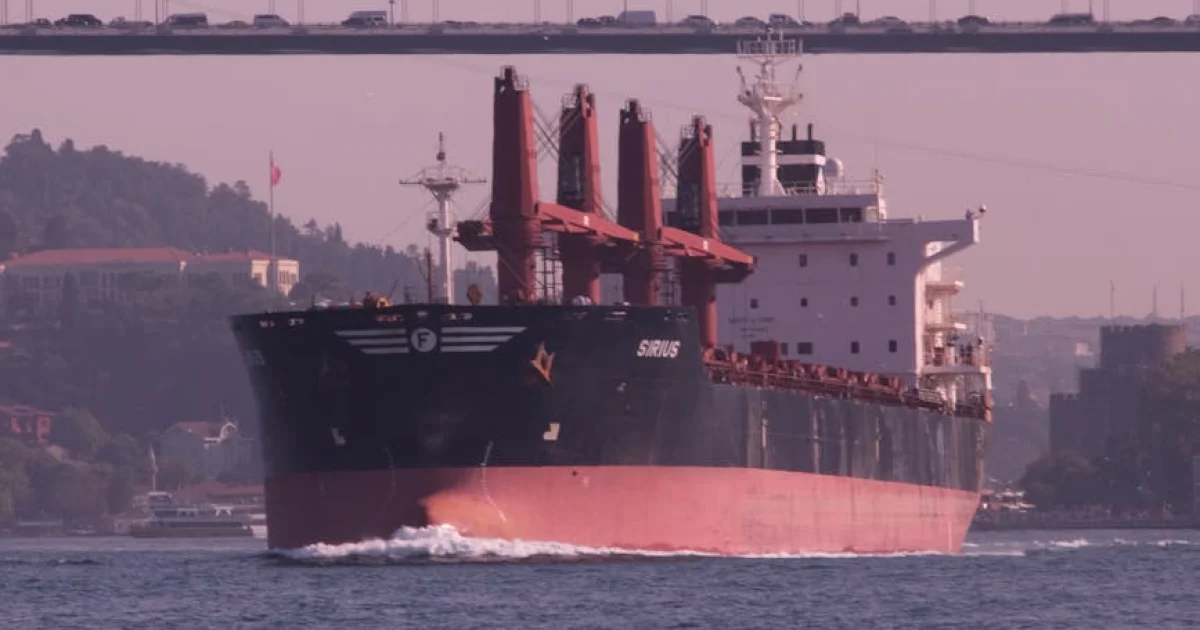
Maritime traffic controllers in Muscat recently cleared the final backlog of vessels that had accumulated during the recent closure, yet the ripple effects continue to disturb global commerce. For anyone monitoring strait of hormuz shipping patterns, the reopening represents merely the first chapter of a prolonged recovery saga. While the waterway itself now accommodates tankers and container vessels at its usual capacity, the intricate choreography of international logistics remains disrupted. Ship schedules that once operated with clockwork precision now resemble a complex puzzle with missing pieces, leaving businesses and consumers wondering when their delayed shipments will finally reach port.
Strait of Hormuz Shipping: The Immediate Aftermath of Reopening
When a chokepoint handling roughly one-fifth of global petroleum consumption and countless container goods suddenly resumes operations, the initial surge creates its own crisis. Vessels that had loitered in anchorages from Fujairah to the Gulf of Oman now race toward the narrow 21-mile-wide channel simultaneously. This maritime traffic jam creates a secondary bottleneck as pilots, tugboats, and port authorities struggle to process the accumulated backlog. Unlike highway traffic that dissipates within hours, maritime congestion follows a slower rhythm dictated by tidal patterns, daylight restrictions for certain cargo types, and the physical limitations of single-file navigation through the strait’s deepest channels.
For the captain of a Panamax container vessel who has spent twelve days drifting offshore, the reopening signals not an immediate return to schedule but rather the beginning of a complex prioritization dance. Port authorities must sequence arrivals based on cargo urgency, vessel draft requirements, and contractual obligations, often forcing ships to wait additional days before entering the Persian Gulf. This staggered entry system, while necessary for safety, extends the recovery timeline by weeks as each delayed vessel throws subsequent port calls across multiple continents into disarray.
Why Maritime Recovery Operates on a Different Timeline
The Domino Effect of Delayed Sailings
Modern container shipping relies on strict adherence to strings of port calls that circumnavigate the globe on fixed weekly schedules. When the strait of hormuz shipping corridor closes, even briefly, it severs these carefully orchestrated rotations. A vessel delayed by fourteen days in the Middle East misses its scheduled arrival in Rotterdam by a similar margin, which then causes it to miss its transatlantic connection in New York, followed by its Panama Canal transit slot, and finally its return voyage to Asia. Each missed connection requires rebooking terminal slots, rearranging pilot services, and recalibrating fuel bunkering appointments across three continents.
The mathematics of recovery prove particularly stubborn. If fifty vessels experience average delays of ten days each, the system must absorb five hundred vessel-days of disruption. Because maritime infrastructure operates at roughly eighty-five percent capacity during normal periods, there exists minimal slack to absorb this shock. Recovery happens not in a linear fashion but through a gradual process of schedule compression, where operators eliminate buffer days and reduce port stays from twenty-four hours to eighteen, slowly clawing back time over successive voyages. This compression typically requires three to four full rotation cycles, translating to sixty to ninety days for complete normalization.
Port Congestion and Berthing Crises
As delayed vessels eventually reach their destinations, they arrive not in the steady stream that terminals are designed to handle but in unpredictable clusters. A port expecting three container ships daily might suddenly face seven arrivals within forty-eight hours, overwhelming gantry crane availability and yard storage capacity. This surge creates a cascading effect where containers sit longer than planned, chassis shortages develop for inland transport, and rail connections miss their windows for cargo transfer.
The situation compounds for refrigerated cargo and hazardous materials, which require specialized berthing slots with specific safety infrastructure. When these vessels miss their assigned windows, they cannot simply dock at the next available pier; they must wait for appropriate facilities, sometimes extending their delay by additional days. For a small business owner awaiting a shipment of precision electronics from Dubai, this means watching tracking information stagnate while the vessel circles offshore, unable to secure a berth equipped to handle its sensitive cargo.
The Human Element: A Captain’s Perspective
Imagine standing on the bridge of a liquefied natural gas carrier as you receive clearance to transit the reopened strait. The navigation charts show the familiar funnel shape of the Hormuz channel, but the radar display reveals an unprecedented density of traffic. Your vessel carries enough energy to power a mid-sized city for a week, yet you must maintain precise speeds while sharing the waterway with oil tankers, bulk carriers, and naval escorts. The psychological pressure intensifies knowing that insurance underwriters have temporarily increased premiums for strait of hormuz shipping routes, and any incident could trigger another closure.
Mariners face extended duty periods during such recoveries, as transit delays compress rest schedules and force crews to manage fatigue while navigating congested waters. The International Maritime Organization’s regulations regarding work-rest cycles become increasingly difficult to honor when pilotage delays extend six-hour shifts into twelve-hour ordeals. This human fatigue factor introduces additional risk into an already stressed system, requiring shipping companies to rotate crews more frequently or risk safety violations that could ground vessels indefinitely.
When Inventory Becomes Uncertainty
For Maria Chen, who operates a boutique furniture import business in Portland, the reopening brought relief tempered by confusion. Her container of handcrafted tables from Mumbai had sat in a Jebel Ali warehouse for three weeks, missing the spring catalog launch. Now she faces a new dilemma: the shipment will arrive simultaneously with her summer collection, creating storage crises and cash flow complications. Her experience mirrors thousands of small enterprises that lack the warehouse space or capital to absorb such timing disruptions.
These businesses face specific operational challenges during recovery periods. Letters of credit expire while goods sit in transit, requiring expensive extensions or renegotiations with suppliers. Demurrage charges accumulate at ports where containers sit uncollected because recipients expected arrivals two weeks later. For perishable goods, the delay proves catastrophic; a shipment of Persian saffron or dates from Bandar Abbas might survive the initial closure only to spoil in the subsequent port congestion, leaving importers with insurance claims rather than inventory.
Manufacturers relying on just-in-time delivery of components face production line shutdowns even after the strait reopens. An automotive plant in Stuttgart awaiting specialized gaskets from a supplier in Sharjah cannot simply resume assembly when the ship finally docks; it must coordinate with dozens of other suppliers to restart synchronized production, often requiring overtime shifts to compensate for lost output. These secondary effects persist long after the maritime channel clears.
Alternative Routes and Their Limitations
The Cape of Good Hope Detour
During the closure, some operators diverted vessels around Africa’s southern tip, adding approximately 3,800 nautical miles and twelve to fourteen days to voyages between the Persian Gulf and European ports. While this route avoided the strait of hormuz shipping suspension, it introduced separate complications including exposure to severe weather in the South Atlantic, piracy risks in the Gulf of Guinea, and the necessity to refuel at significantly higher costs in South African or West African ports.
Vessels that took this detour now find themselves severely off-schedule, positioned on the wrong side of the globe for their next contracted cargo. A tanker that diverted to Cape Town might miss its scheduled loading in Kuwait by three weeks, forcing charterers to seek alternative vessels at premium rates. This positional imbalance in the global fleet—where too many ships occupy the Atlantic while the Pacific faces shortages—requires months to correct through empty repositioning voyages or cargo swaps between operators.
The fuel economics of such diversions create additional financial strain. A Very Large Crude Carrier consumes roughly sixty tons of heavy fuel oil daily, meaning a fourteen-day detour adds nearly one thousand tons to the voyage cost. At current bunker prices, this adds approximately $400,000 to $500,000 per voyage, costs that shipping lines must either absorb or pass to charterers through adjusted rates.
You may also enjoy reading: 7 Ways to Witness the Spectacular 2026 Lyrids Meteor Shower at Its Peak Time.
Overland and Multimodal Alternatives
Some cargo shifted to rail routes across Central Asia or trucking networks through the Arabian Peninsula during the crisis. However, these alternatives face capacity constraints that make them insufficient for bulk recovery. The Dubai to Turkey rail corridor can handle approximately five percent of the strait’s maritime volume, while overland routes through Saudi Arabia face weight restrictions and border processing delays that make them suitable only for high-value, low-volume goods. As maritime traffic resumes, these alternative modes must gradually return to their supplementary roles, a transition that requires careful coordination to prevent infrastructure damage from sudden volume drops.
Preparing for Future Strait of Hormuz Shipping Disruptions
Building Resilient Inventory Systems
Businesses dependent on strait of hormuz shipping corridors must reconsider their just-in-time inventory models. Maintaining a sixty-day safety stock of critical components, while capital-intensive, provides insulation against future closures. Companies should categorize suppliers by geographic risk, identifying which materials pass through the strait versus those sourced from Atlantic or Pacific routes. This mapping exercise, conducted annually, allows procurement teams to activate alternative sourcing agreements within seventy-two hours of a new closure announcement.
Financial preparation proves equally crucial. Establishing revolving credit facilities specifically for supply chain disruptions allows businesses to cover unexpected demurrage, expedited shipping, or air freight conversion costs without liquidating operational capital. Importers should also negotiate force majeure clauses that specifically address strait closures, ensuring that contractual obligations suspend automatically during maritime crises rather than triggering penalty disputes during recovery periods.
Diversifying Supply Chain Geography
Strategic sourcing shifts can reduce exposure to Hormuz disruptions. For European manufacturers, sourcing petrochemicals from the United States or North Africa rather than the Gulf states eliminates the strait dependency, though often at higher unit costs. Asian importers might develop secondary suppliers in Southeast Asia to cover shortfalls during Middle Eastern shipping crises. These redundancies require upfront investment in supplier qualification and quality assurance, but they transform potential months-long shortages into manageable inventory adjustments.
Technology solutions offer additional protection. Advanced tracking systems that monitor vessel positions in real time allow logistics managers to predict delays weeks in advance, triggering automatic reordering from alternative suppliers when algorithms detect accumulating congestion near the strait. Blockchain-based smart contracts can execute contingency purchasing agreements instantly when closure announcements occur, removing the delay of manual negotiations during crisis periods.
Legal and Insurance Complexities
The reopening triggers a flood of maritime arbitration cases as parties dispute responsibility for delay-related losses. Charter party agreements contain varying clauses regarding war risk, piracy, and government closure scenarios, with some designating the strait as a “war zone” during crises while others maintain standard trading terms. Determining whether a shipowner or charterer bears the cost of diversion around Africa requires parsing specific contract language that differs across the global fleet.
Marine insurance markets face particular strain during recovery periods. Underwriters must process claims for cargo damage resulting from extended transit times, while simultaneously recalculating risk premiums for future strait of hormuz shipping coverage. The Joint War Committee’s designation of the area as high-risk affects not only insurance costs but also loan covenants for vessel financing, as many maritime mortgages require continuous insurance coverage that becomes prohibitively expensive during crises. Legal teams across major shipping hubs in London, Singapore, and New York currently work overtime to resolve these disputes before they clog international courts.
The Long-Term Strategic Shift
Each closure accelerates the diversification of global energy and trade flows. Nations and corporations increasingly invest in pipeline infrastructure that bypasses maritime chokepoints entirely, such as the proposed Oman to India underwater energy corridor or expanded Caspian rail networks. While these projects require decades to complete, each shipping crisis adds political momentum and private investment to such alternatives.
For the immediate future, however, global commerce remains tethered to the narrow waterway between Iran and Oman. The current recovery period offers a critical window for businesses to audit their vulnerability to strait of hormuz shipping disruptions. Those who use these months to develop contingency protocols, strengthen supplier relationships, and secure flexible financing will weather the next inevitable closure with minimal disruption. Those who assume the reopening signals a return to permanent stability may find themselves repeating this cycle of uncertainty when geopolitical tensions next flare in these contested waters.
The maritime industry moves slowly by design, prioritizing safety and fuel efficiency over speed. As vessels gradually return to their published schedules and port congestion eases, the lesson remains clear: in global shipping, the waterway may reopen in days, but the system requires seasons to heal.