The Long Wait for a Smarter Siri
Even the most loyal Apple supporters have grown weary. The company advertised new Siri features back in 2024 as if they were right around the corner. Then came the quiet admission that those features were not ready. Now it is 2026, and users are still waiting for the promised upgrade. The saga has dragged on so long that it feels like watching a slow-moving film with no ending in sight.

But something changed at the start of this year. Apple confirmed that it is teaming up with Google to use Gemini AI models to power future Siri capabilities. This siri gemini announcement finally gave users a reason to feel hopeful. After years of broken promises and vague timelines, Apple revealed a concrete partnership that could reshape how millions of people interact with their iPhones.
The partnership represents a stunning reversal for Apple. The company has long insisted on controlling its own technology stack. Building everything in-house was a point of pride. Handing over core AI functionality to a rival like Google would have seemed unthinkable just a few years ago. Yet here we are.
What Took Apple So Long
Apple’s slow rollout of improved Siri features has become a case study in how even the biggest tech companies can stumble. The company first teased major Siri upgrades during WWDC in 2024. Promotional materials showed a voice assistant that could understand context, retrieve personal information, and complete complex tasks. The demos looked impressive.
Reality turned out differently. Apple later acknowledged that the features would not ship on schedule. No firm release date followed. Months passed. Then more months. Users who had upgraded their devices in anticipation felt frustrated. Trust began to erode.
The contrast with Google could not be sharper. When Google announced its Personal Intelligence feature, it did not just show slick videos. The company launched a working beta. Users could actually try the feature and see how it performed. That difference between vaporware and a real product mattered enormously.
Google’s Personal Intelligence Beta
Google’s Personal Intelligence feature retrieves specific details from text, photos, and videos stored across Google apps. It pulls information from Google Workspace tools like Gmail, Calendar, and Drive. It accesses Google Photos to find images and memories. It even uses YouTube watch history and data from Google Search, Shopping, News, Maps, Flights, and Hotels.
This level of cross-app integration allows Gemini to deliver highly personalized responses. Ask about a restaurant recommendation, and Gemini can check your Calendar for free evenings, your Maps history for places you have visited, and your Gmail for reservation confirmations. The result feels like a true personal assistant rather than a generic search tool.
Apple’s version will work similarly but within its own ecosystem. It will pull information from Apple apps such as Mail, Calendar, Photos, and Notes. The concept is the same. The execution has simply taken much longer on Apple’s side.
Why the Siri Gemini Announcement Matters
The siri gemini announcement matters because it signals that Apple is willing to partner rather than go it alone. Building competitive large language models requires enormous resources, specialized talent, and years of iteration. Google has been working on Gemini for a long time. Apple recognized that trying to catch up entirely on its own would delay things even further.
Bringing Gemini into Siri means users will finally get the kind of intelligent assistance that was promised years ago. The underlying AI will be capable of understanding complex requests, maintaining context across conversations, and retrieving relevant personal data. These are the features that make modern AI assistants genuinely useful.
There is also a strategic dimension. Google gains an unprecedented foothold inside Apple’s ecosystem. Millions of iPhone users who may never have tried Gemini will now interact with it through Siri. That exposure could shift user habits and preferences over time. For Google, the deal is a major win.
The Third-Party AI Model Revolution
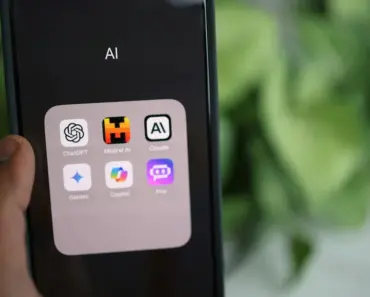
A Bloomberg report last month revealed something even more interesting. Siri will not be limited to Google’s Gemini alone. Apple plans to let users integrate with multiple third-party AI chatbot apps. Companies like Google and Anthropic could offer their models through an Extensions system built into apps like Gemini and Claude.
Users will be able to set custom voices in Siri depending on which external model is responding. They can choose which AI powers Siri, Writing Tools, and other system features. This level of flexibility is unprecedented for Apple, which typically controls every aspect of the user experience.
The siri gemini announcement opened the door, but the broader third-party support could prove even more significant. Let us look at three reasons why this matters.
Freedom from Apple’s Timeline
The first and most obvious benefit is that users no longer depend solely on Apple’s development pace. Apple Intelligence may or may not eventually power all AI features using in-house models. Either way, users do not have to wait for that to happen. They can use best-in-class models from Google, Anthropic, or other providers right now.
This changes the dynamic completely. Instead of hoping that Apple delivers on its promises, users can choose the AI that works best for them today. If one provider falls behind, switching to another is straightforward. The power shifts from the platform holder to the user.
Personal Preferences and History
Many people have developed preferences for specific AI chatbots. They have built up conversation history, custom instructions, and personal context within those tools. Switching to a different model means losing that continuity.
Consider someone who uses Claude regularly. They have trained it on their writing style, their project details, and their preferred way of receiving information. They have an annual subscription because they find it genuinely useful for brainstorming, drafting, and refining ideas. That personal investment matters.
With third-party model support, that same person can continue using Claude through Siri. The voice assistant becomes a gateway rather than a replacement. Users keep their preferred AI while gaining the convenience of system-level integration.
Competition Drives Improvement
AI chatbots improve fastest when they compete. Each time one provider releases a new model, others scramble to match or exceed its capabilities. This cycle of innovation benefits everyone.
When users can freely choose between models, providers have stronger incentives to keep improving. A stagnant AI loses users to its rivals. The pressure to deliver better reasoning, faster responses, and more accurate information intensifies. Healthy competition raises the bar for the entire industry.
You may also enjoy reading: 7 Ways I Think I Just Vibe Coded Lil Finder Guy on Mac.
Apple’s willingness to open Siri to multiple models could accelerate this dynamic. Instead of a walled garden with one AI, the iPhone becomes a platform where the best models compete for user attention. That is good for innovation and good for users.
What This Means for Everyday iPhone Users
For the average person, these changes could transform how they use their phone. Imagine waking up and asking Siri about your schedule. The assistant checks your Calendar, reads your emails, and reminds you about a meeting you almost forgot. It suggests the best route based on current traffic from Maps. It offers to order coffee from a shop you visited last week, pulling the order details from your Messages history.
That level of seamless assistance has been promised for years. With Gemini powering Siri and third-party models available, it may finally become reality. The experience should feel less like talking to a search engine and more like talking to someone who knows you.
Privacy Considerations
Privacy remains a legitimate concern. Sending personal data to third-party AI models raises questions about how that data is handled, stored, and used. Apple has built its brand around privacy promises. Users trust the company more than most competitors.
Apple says it will process data on-device where possible. For requests that require cloud processing, the company claims it will use privacy-preserving techniques. Users will likely have control over which apps and data each AI model can access. The details matter, and Apple will need to communicate them clearly.
For privacy-conscious users, the option to use Apple’s own models may remain appealing. If Apple eventually builds competitive AI that runs entirely on-device, those users will have a choice that balances capability with privacy. Having options is always better than having none.
Device Compatibility
Not every iPhone will support the new Siri features. Advanced AI processing requires capable hardware. The Neural Engine in newer iPhones handles on-device machine learning tasks. Older devices may lack the necessary performance.
Apple has not published a full compatibility list yet. Based on past patterns, the features will likely require an iPhone 15 Pro or later, or possibly the iPhone 16 series. Users with older phones may need to upgrade to experience the full capabilities. That is worth keeping in mind when planning your next purchase.
If you are unsure whether your device will be supported, waiting for official specifications before upgrading is sensible. The features are not here yet anyway, so there is no rush.
Looking Ahead: Will Apple Build Its Own AI?
The partnership with Google raises an obvious question. Will Apple eventually develop its own competitive AI models? The answer is almost certainly yes. Apple invests heavily in research and development. The company has been hiring AI talent and acquiring startups for years. Building in-house AI remains a long-term goal.
If Apple does launch models that match or exceed what Google and Anthropic offer, many users will likely choose them. Deeper integration with Apple’s ecosystem is a real advantage. So is the privacy promise. Apple can control the entire stack from hardware to software to AI, which allows optimizations that third parties cannot match.
But that day may still be years away. In the meantime, the siri gemini announcement and the broader third-party model support give users something they have not had in a long time: a reason to be optimistic about Siri’s future.
The flexibility to choose between providers is ideal. Users are not locked into Apple’s timeline or Apple’s priorities. They can pick the AI that works best for them today and switch tomorrow if something better comes along. That is how technology should work.
What is your take on Apple’s decision to partner with Google and open Siri to third-party AI models? Do you plan to use Gemini, Claude, or another provider? Or will you wait for Apple to build its own solution? Share your thoughts in the comments below.